HIGHLIGHTS
- Five strategically selected US regions have been approved for commercial air taxi launch with coordinated infrastructure, regulatory, and operational planning currently in motion.
- Vertiports and airspace management systems are being developed across these regions to enable safe simultaneous operations of multiple eVTOL aircraft in urban environments.
- Commercial air taxi services are expected to begin operations within the coming years, generating substantial employment, economic growth, and reducing urban congestion in high-demand transportation markets.
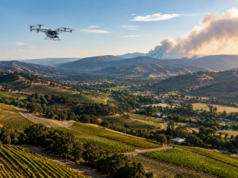
The era of commercial air taxi operations is rapidly approaching across the United States. According to recent industry developments, five key US regions have been identified and planned for the launch of electric vertical takeoff and landing (eVTOL) air taxi flights. This represents a pivotal moment in the evolution of urban air mobility, as companies transition from development and testing phases into real-world commercial operations that will transform how people travel in major metropolitan areas.
The Five Regions Leading the Air Taxi Revolution
Five specific US regions have emerged as the frontrunners for commercial air taxi deployment. These locations were carefully selected based on infrastructure readiness, regulatory support, population density, and existing transportation networks. The chosen regions represent a diverse mix of major urban centers and growing metropolitan areas across different parts of the country, ensuring that air taxi technology will be tested and refined in varied environments and climate conditions.
Each of these five regions brings unique advantages to the air taxi ecosystem. Some offer established aerospace facilities and regulatory experience, while others provide high-demand transportation corridors where air taxis can address critical congestion issues. The geographic diversity of these locations also means that eVTOL operators will gain valuable operational experience across different weather patterns, airspace complexities, and urban landscapes.
The selection process involved extensive collaboration between government agencies, city planners, infrastructure developers, and eVTOL manufacturers. This coordinated approach ensures that each region has the foundational support necessary for successful implementation, including airspace integration planning, vertiport infrastructure development, and regulatory compliance frameworks tailored to local conditions.
Infrastructure and Vertiport Development
Successful commercial air taxi operations require substantial infrastructure investments, particularly in vertiport construction and integration. These five regions are moving forward with plans to develop vertiports in strategic locations, including downtown areas, airports, and transportation hubs. Vertiports serve as the critical infrastructure backbone for air taxi networks, providing landing and takeoff facilities, passenger amenities, charging systems, and maintenance capabilities.
The vertiport development strategy across these regions reflects a commitment to seamless integration with existing transportation networks. Many planned vertiports will be co-located with or adjacent to traditional airports, transit stations, and major business centers. This strategic placement enables convenient connections between air taxis and ground-based transportation, creating a truly multimodal urban mobility system that maximizes efficiency and passenger convenience.
Infrastructure investment also extends beyond vertiports to include airspace management systems, ground control centers, and digital infrastructure for traffic coordination. These supporting systems are essential for safely managing multiple eVTOL aircraft operating simultaneously in congested urban airspace. The regions are prioritizing these foundational investments to ensure that operational readiness extends beyond the aircraft themselves to encompass the entire ecosystem required for commercial success.
Regulatory Framework and Safety Standards
Operating commercial air taxi services requires navigating a complex regulatory environment established and overseen by the Federal Aviation Administration (FAA). The five designated regions are working closely with the FAA to develop, test, and implement regulatory frameworks that ensure safety while enabling efficient operations. This collaborative approach has established clear certification pathways, operational procedures, and safety standards that set the foundation for successful commercial deployment.
Safety remains the paramount concern throughout the regulatory development process. The FAA is implementing comprehensive requirements for aircraft certification, pilot training, air traffic integration, emergency procedures, and passenger safety protocols. These standards are informed by years of eVTOL development work, extensive simulation testing, and lessons learned from similar aviation innovations. The goal is to establish an air taxi operating environment that maintains or exceeds the safety standards of traditional aviation while accommodating the unique characteristics of electric vertical flight.
Regulatory flexibility is also an important component of the framework being developed for these five regions. Authorities recognize that eVTOL operations represent a new category of aviation, requiring adaptive regulations that can evolve as technology matures and operational experience accumulates. This adaptive approach allows operators to innovate and optimize their services while maintaining strict safety and environmental standards.
Market Demand and Economic Impact
The five regions selected for commercial air taxi operations represent areas with substantial transportation demand and congestion challenges. Urban commuters in these metropolitan areas face significant daily travel time burdens, making air taxis an attractive alternative for time-sensitive trips. Market research indicates strong demand for premium mobility services that can reduce travel times and provide convenient connections between key business, residential, and entertainment districts.
The economic impact of commercial air taxi operations extends far beyond direct passenger revenues. These services are expected to generate substantial employment opportunities in aircraft manufacturing, maintenance, operations, vertiport management, and related support services. Local economies in the five regions will benefit from increased aerospace industry activity, technology development, and service sector growth associated with air taxi deployment.
Additionally, the air taxi market is expected to catalyze broader economic growth through improved mobility efficiency and reduced congestion. By providing high-speed alternatives to surface transportation, air taxis can enhance productivity, facilitate business transactions, and improve overall quality of life in urban areas. The five regions are positioning themselves as leaders in this emerging mobility ecosystem, attracting further technology investment and talent.
Timeline and Operational Launch Plans
Commercial air taxi flights in the five designated US regions are expected to begin operations within the coming years, following completion of final regulatory certifications, infrastructure development, and operational readiness activities. The timeline varies by region based on local conditions, infrastructure status, and regulatory progress. Early-stage operations are likely to begin with limited flight routes connecting major hubs and gradually expand as experience accumulates and systems mature.
Initial commercial operations will likely be characterized by premium pricing to offset development costs and early operational complexity. As the industry scales and operational efficiency improves, pricing is expected to become more competitive with ground-based premium transportation options. This gradual price reduction will expand the addressable market and increase adoption rates among a broader segment of urban travelers.
Operator companies are preparing staffing, training, and maintenance infrastructure to support commercial operations beginning in these five regions. These preparations include pilot certification programs, ground support team development, and maintenance facility establishment. The phased approach to commercial launch allows operators to refine procedures, train personnel, and build operational expertise that will position them for expansion to additional regions beyond the initial five.
Key Operational Milestones and Takeaways
- Five strategically selected US regions are preparing for imminent commercial air taxi launches with coordinated regulatory, infrastructure, and operational planning currently underway.
- Comprehensive vertiport networks and airspace management systems are being developed to enable safe, efficient operations across major metropolitan areas and transportation corridors.
- Commercial air taxi services are expected to generate significant employment, economic growth, and urban mobility improvements while reducing congestion in high-demand transportation markets.
The planned launch of commercial air taxi flights across five US regions represents a transformational moment in transportation history. This coordinated effort brings together government agencies, technology companies, infrastructure developers, and urban planners in pursuit of a shared vision for the future of urban mobility. As these regions move forward with commercial operations, they will provide valuable insights, operational experience, and market validation that will accelerate eVTOL adoption nationwide and globally. The success of these initial five regions will establish the blueprint for scaling air taxi services to additional metropolitan areas, ultimately transforming how millions of people commute and travel in urban environments.