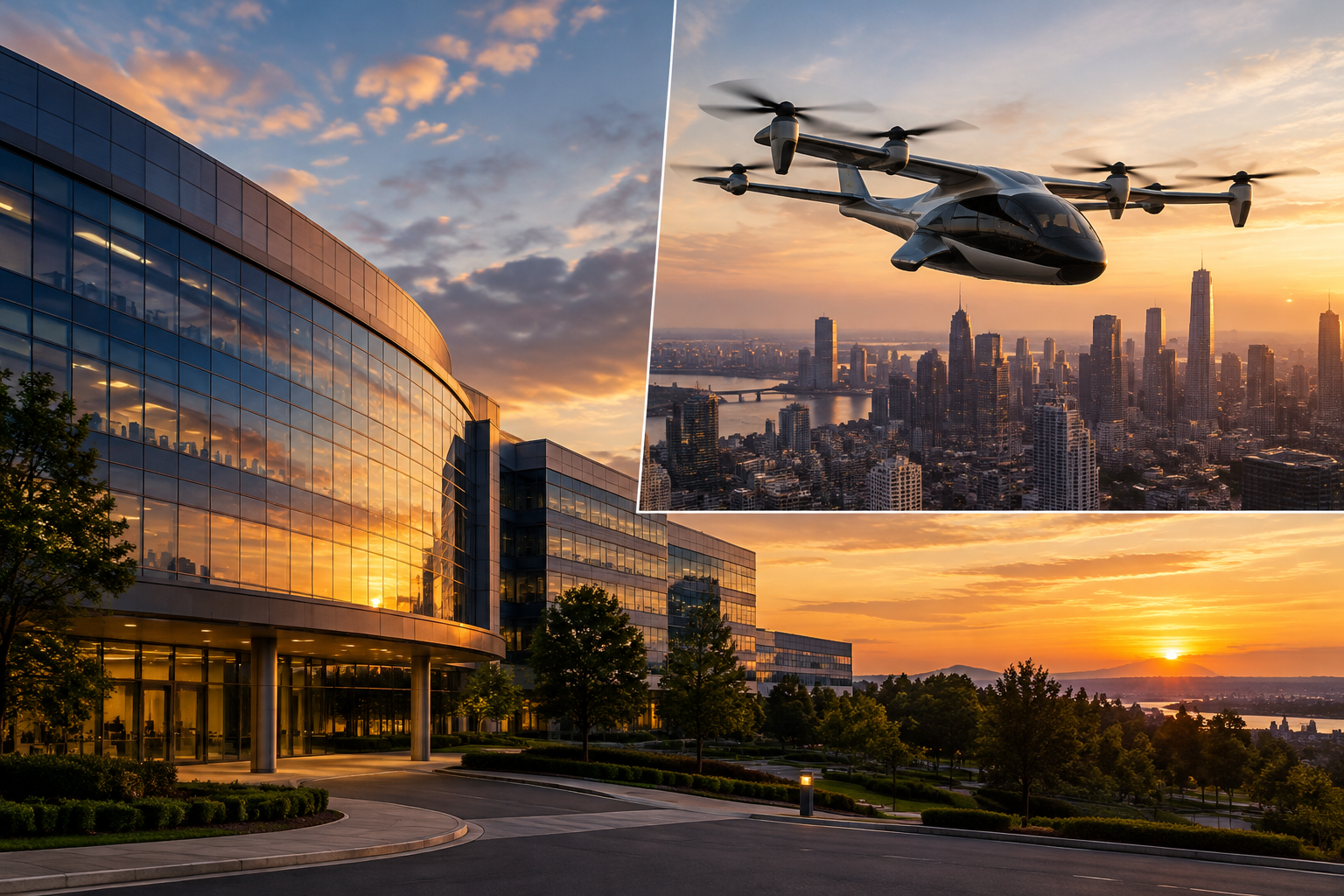
HIGHLIGHTS
- Boeing’s largest shareholder stake in Archer Aviation could close before year-end 2026, dramatically accelerating commercial eVTOL timelines
- Partnership combines Archer’s cutting-edge eVTOL technology with Boeing’s manufacturing expertise, supplier networks, and FAA regulatory relationships
- Boeing’s strategic move is likely to trigger industry consolidation and reshape the competitive landscape for eVTOL manufacturers globally
Boeing’s strategic investment in Archer Aviation represents a pivotal moment in the electric vertical takeoff and landing (eVTOL) industry, with the aerospace giant becoming the largest shareholder in the rapidly advancing air mobility company. This move signals not only Boeing’s confidence in Archer’s technology and market potential but also suggests that commercial deployment timelines are accelerating faster than previously anticipated by industry analysts.
Boeing’s Strategic Investment Signals Industry Momentum
The decision by Boeing to become Archer Aviation’s largest shareholder underscores the growing maturity of the eVTOL sector and the urgency major aerospace players feel to secure a position in this emerging market. Boeing’s involvement brings more than just capital to the table—it represents decades of aviation expertise, regulatory relationships, and manufacturing capabilities that could dramatically accelerate Archer’s path to certification and production scale.
This investment demonstrates Boeing’s recognition that electric vertical takeoff and landing aircraft represent a fundamental shift in urban and regional transportation. Rather than viewing eVTOL as a distant future technology, Boeing’s action suggests the company sees commercial viability within the next few years, making strategic positioning critical for major players in the aerospace industry.
The timing of this investment is particularly significant given Archer’s proximity to key regulatory milestones. Boeing’s backing could streamline certification processes and provide access to supply chain networks that would be difficult for a startup to develop independently. This partnership structure allows both companies to leverage complementary strengths—Archer’s agility and innovation alongside Boeing’s industrial scale and regulatory expertise.
Accelerated Timeline to Commercial Operations
Market observers have long debated when eVTOL vehicles would move from prototype and testing phases to actual commercial service. With Boeing now anchoring Archer as its largest shareholder, the timeline appears to be compressing significantly. Industry insiders suggest that a deal close could happen before year-end 2026, a timeline that would have seemed impossibly aggressive just months ago.
This acceleration reflects several converging factors: regulatory frameworks in key markets have become clearer and more supportive, manufacturing techniques for electric propulsion systems have matured, and demand signals from potential customers (rideshare companies, urban transit authorities, logistics operators) have strengthened considerably. Boeing’s investment essentially validates this momentum and puts corporate muscle behind making it happen.
The rush toward commercial operations also reflects competitive pressures within the eVTOL space. Multiple manufacturers are racing toward certification, and the first company to achieve meaningful commercial routes will gain enormous advantages in capturing market share, securing regulatory approval in other jurisdictions, and building brand recognition among consumers and investors.
Boeing’s Role in Manufacturing and Supply Chain
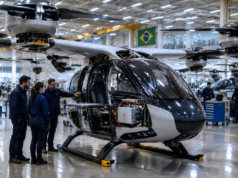
Beyond financial investment, Boeing’s involvement promises to reshape Archer’s manufacturing and supply chain strategy. Boeing operates some of the world’s most sophisticated aerospace production facilities and maintains relationships with thousands of specialized suppliers across multiple continents. Integration with this ecosystem could dramatically reduce time-to-market and improve production quality from day one.
The aerospace giant’s manufacturing playbook, honed over a century of aircraft production, addresses challenges that typically plague aerospace startups: quality control across distributed suppliers, regulatory compliance documentation, testing protocol optimization, and safety certification. These operational capabilities are as valuable as the financial investment itself.
Additionally, Boeing’s scale allows for bulk procurement of components, potentially reducing per-unit costs significantly. As Archer moves toward commercial production, this cost advantage becomes increasingly critical for achieving the price points necessary to compete in urban air mobility markets where operational economics must be tight to attract customers.
Market Implications and Competitive Landscape
Boeing’s move as Archer’s largest shareholder sends powerful signals to the entire eVTOL ecosystem. Competing manufacturers must now contend with a player backed by one of the world’s largest aerospace companies. This could accelerate consolidation in the sector, as other startups seek similar partnerships or face the prospect of competing against Boeing-backed competitors.
The investment also has implications for investment capital flows in the eVTOL space. Investors following Boeing’s lead may increase funding allocations to Archer and similar companies that show clear pathways to commercialization. Conversely, companies without clear timelines or strategic partnerships may face investor skepticism or capital shortages.
For customers and operators considering eVTOL services, Boeing’s backing of Archer provides confidence in the company’s long-term viability and commitment to supporting aircraft through their operational lifespans. Maintenance, spare parts availability, and technical support are critical concerns for operators, and Boeing’s presence addresses these concerns definitively.
Key Takeaways from Boeing’s Strategic Move
- Boeing becoming Archer Aviation’s largest shareholder signals confidence in near-term commercialization timelines, with deal closing potentially occurring before year-end 2026
- The partnership combines Archer’s eVTOL innovation with Boeing’s manufacturing expertise, supply chain networks, and regulatory relationships to accelerate certification and production readiness
- This strategic investment is likely to trigger consolidation across the eVTOL industry and reshape competitive dynamics as other manufacturers seek similar partnerships
The convergence of technological maturity, regulatory clarity, and strategic corporate backing represented by Boeing’s investment in Archer Aviation marks a genuine inflection point for the eVTOL industry. What was once a speculative future technology is rapidly becoming an imminent commercial reality. The aviation industry is entering a new era where electric vertical takeoff and landing vehicles transition from engineering demonstrations to operational aircraft serving real passengers and cargo needs. Boeing’s position as Archer’s largest shareholder places the aerospace legend squarely in the center of this transformation, suggesting that the coming years will deliver remarkable progress toward the urban air mobility future that industry pioneers have long envisioned.