HIGHLIGHTS
- Japan implements strategic defense revisions expanding long-range missile and attack drone capabilities in response to regional security dynamics
- Military drone technology advancement reflects Japan’s commitment to autonomous defense systems and enhanced surveillance capabilities
- Defense modernization initiative signals growing integration of unmanned systems into Asia-Pacific regional security infrastructure
Japan has announced comprehensive defense revisions that mark a significant expansion in its military capabilities, particularly focusing on long-range missile systems and attack drone technologies. This strategic pivot comes amid changing geopolitical dynamics in the Asia-Pacific region and reflects Japan’s commitment to modernizing its defense infrastructure for contemporary security challenges. The expanded focus on unmanned aerial systems demonstrates how nations are increasingly integrating drone technology into their core defense strategies.
Japan’s Defense Modernization Initiative
The Japanese government’s latest defense revisions represent one of the most comprehensive military strategy updates in recent years. The expansion of long-range missile capabilities and attack drone programs signals a fundamental shift in how Japan approaches national security. This modernization effort is designed to enhance Japan’s deterrence posture while maintaining compliance with its pacifist constitution through careful emphasis on defensive capabilities.
The defense revisions come at a critical time when regional tensions have prompted nations across Asia-Pacific to reassess their military preparedness. Japan’s approach emphasizes technological sophistication and autonomous systems that can operate with minimal human intervention. By investing heavily in drone technology, Japan aims to develop asymmetric advantages that can address security threats without significant increase in military personnel deployment.
Officials indicate that the defense budget allocated to these programs will support research, development, and manufacturing of next-generation unmanned systems. This investment demonstrates Japan’s recognition that modern defense requires cutting-edge autonomous technology. The government has emphasized that these developments are part of a measured, long-term strategy rather than reactive militarization.
Long-Range Missile Capabilities Expansion
Japan’s expansion of long-range missile systems represents a departure from its traditional defense posture, which has historically prioritized territorial defense over extended-range strike capability. The new long-range missile programs include systems capable of reaching targets hundreds of kilometers away, significantly extending Japan’s defensive perimeter. This expansion is intended to provide deterrence against potential threats in the region while maintaining strategic flexibility.
The development of these missile systems involves sophisticated guidance technology, including GPS integration and advanced targeting systems. Japan’s domestic aerospace and defense industry has demonstrated significant expertise in precision engineering and electronics manufacturing, which directly applies to missile system development. The integration of artificial intelligence and autonomous targeting systems in these missile platforms represents a leap forward in military technology sophistication.
Strategic analysts note that long-range missile capabilities serve multiple purposes beyond direct defensive applications. They provide Japan with enhanced reconnaissance and early warning capabilities, improve coordination with allied nations, and establish a credible deterrent posture in the region. The government has framed these capabilities as stabilizing measures that contribute to regional security architecture rather than destabilizing escalations.
Attack Drone Program Expansion
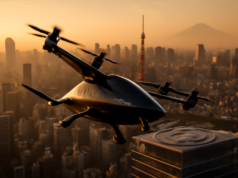
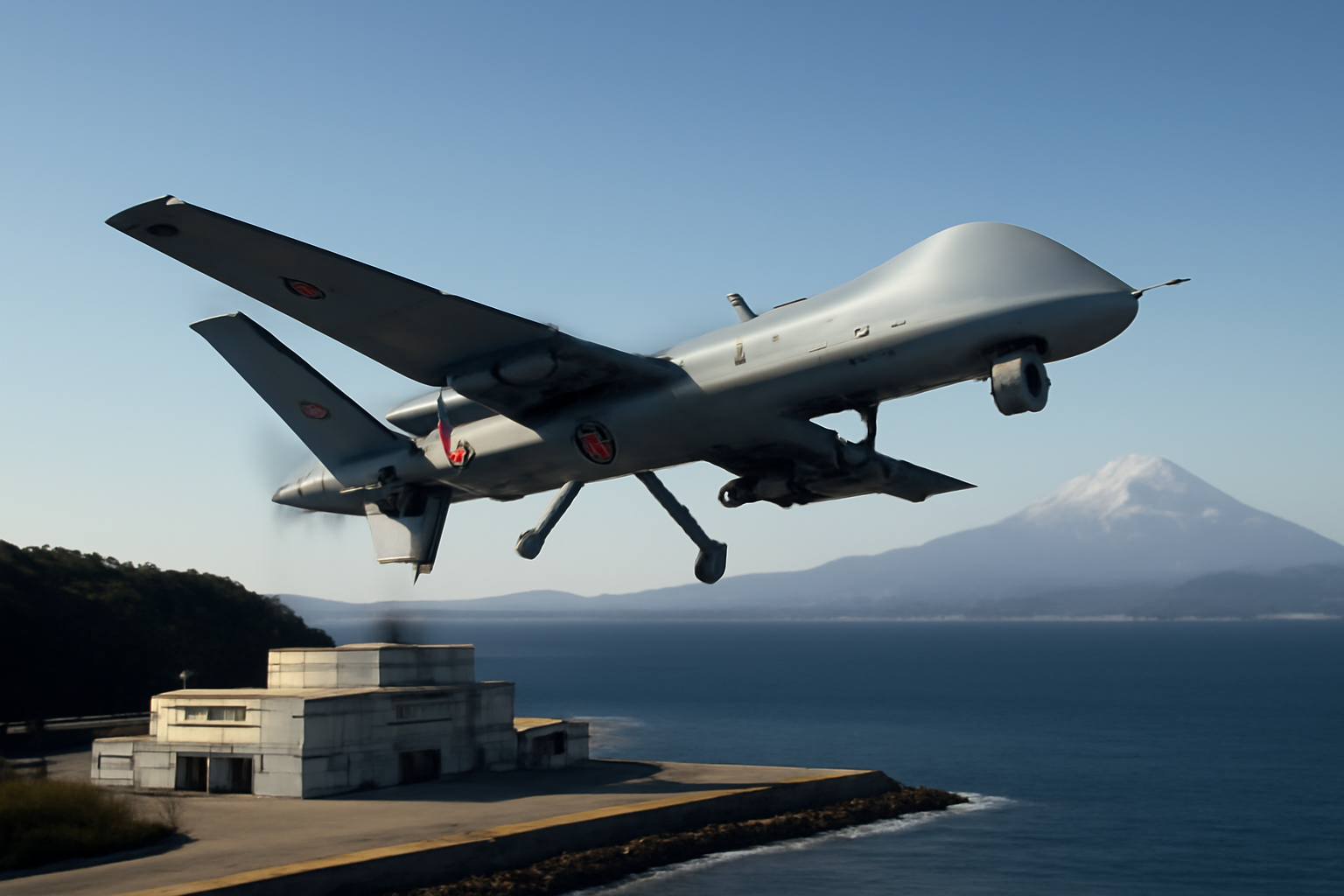
The attack drone program expansion stands as perhaps the most significant component of Japan’s defense revisions. These unmanned aerial systems are designed to perform multiple missions including surveillance, reconnaissance, and armed operations when authorized. The development of homegrown attack drone technology reduces Japan’s reliance on foreign defense systems and ensures operational sovereignty over critical military capabilities.
Japanese defense contractors have been collaborating with government agencies to develop advanced drone platforms that combine endurance, payload capacity, and autonomous operation capabilities. These systems feature advanced sensor suites for target identification and can operate in challenging weather conditions. The emphasis on domestically-developed technology ensures that Japan maintains control over the design, manufacturing, and operational protocols of these critical defense systems.
The attack drone programs include both tactical systems for immediate operational use and experimental platforms for future capability development. Japan’s approach emphasizes careful testing and validation of autonomous systems before deployment, reflecting lessons learned from international drone programs. The integration of these systems with existing military command structures requires significant training investment and operational doctrine development.
Regional Security Implications
Japan’s defense revisions occur within the context of evolving regional security dynamics that have prompted several nations in Asia-Pacific to modernize their military capabilities. The expansion of unmanned systems technology reflects a broader global trend toward autonomous defense platforms. Japan’s participation in this technological evolution positions it as a significant player in advanced military technology development and deployment.
The implications of Japan’s expanded drone and missile capabilities extend beyond Japanese borders, influencing regional military balances and international relations. Neighboring nations and international partners are closely monitoring Japan’s defense developments to assess strategic implications. Japan has emphasized that these developments are defensive in nature and intended to enhance regional stability rather than create new security tensions.
The defense revisions also highlight Japan’s commitment to working with allied nations, particularly the United States, in developing interoperable defense systems. This cooperation ensures that Japanese military capabilities can be effectively integrated with allied forces while maintaining technological standards. The emphasis on alliance relationships reflects Japan’s strategic approach of enhancing collective security in the region rather than pursuing independent military dominance.
Technology and Innovation Drivers
The advancement of Japan’s drone and missile programs is driven by significant technological innovation in multiple sectors. Japan’s electronics manufacturing expertise, developed through decades of consumer technology leadership, directly applies to military systems development. Components including advanced semiconductors, sensor systems, and communication equipment leverage Japan’s industrial strengths in precision manufacturing and quality control.
Artificial intelligence and machine learning technologies play increasingly important roles in modern defense systems. Japanese companies are investing heavily in AI capabilities that enable autonomous operation, threat detection, and decision-making in unmanned systems. These technologies represent the frontier of military technology innovation and position Japan as a leader in next-generation defense capabilities.
The defense modernization program also stimulates domestic technological innovation through contracted research and development initiatives. Universities, private contractors, and government research facilities collaborate to advance specific capability areas. This ecosystem approach ensures that Japan maintains technological leadership while distributing innovation benefits across its industrial base and scientific community.
Key Takeaways for Defense and Technology Sectors
- Japan’s comprehensive defense revisions prioritize expansion of long-range missiles and attack drone capabilities as central to modern security strategy
- Domestic development of unmanned systems ensures Japanese operational autonomy while leveraging existing strengths in electronics and precision manufacturing
- The integration of AI, advanced sensors, and autonomous systems reflects global trends in military technology toward unmanned platforms and reduced human risk
Japan’s expansion of long-range missile and attack drone capabilities marks a significant evolution in the nation’s defense strategy and military technology. These revisions demonstrate how advanced democracies are adapting to contemporary security challenges through investments in autonomous systems and precision weaponry. As unmanned technology becomes increasingly central to military operations globally, Japan’s development efforts position it as a significant participant in shaping the future of defense innovation. The emphasis on domestically-developed systems ensures Japan maintains technological sovereignty while enhancing its security posture in an increasingly complex geopolitical environment. These defense developments will likely influence defense strategies across Asia-Pacific as nations assess evolving security requirements and technological capabilities available for modern defense systems.