HIGHLIGHTS
- SES AI’s lithium-metal battery technology will extend Doroni eVTOL range and payload capacity while reducing charging times compared to conventional lithium-ion solutions.
- The framework agreement accelerates regulatory certification by aligning battery development with aviation authority requirements from the earliest product stages.
- Strategic partnerships between battery innovators and aircraft manufacturers signal sustained industry confidence that commercial eVTOL deployment timelines are within reach.
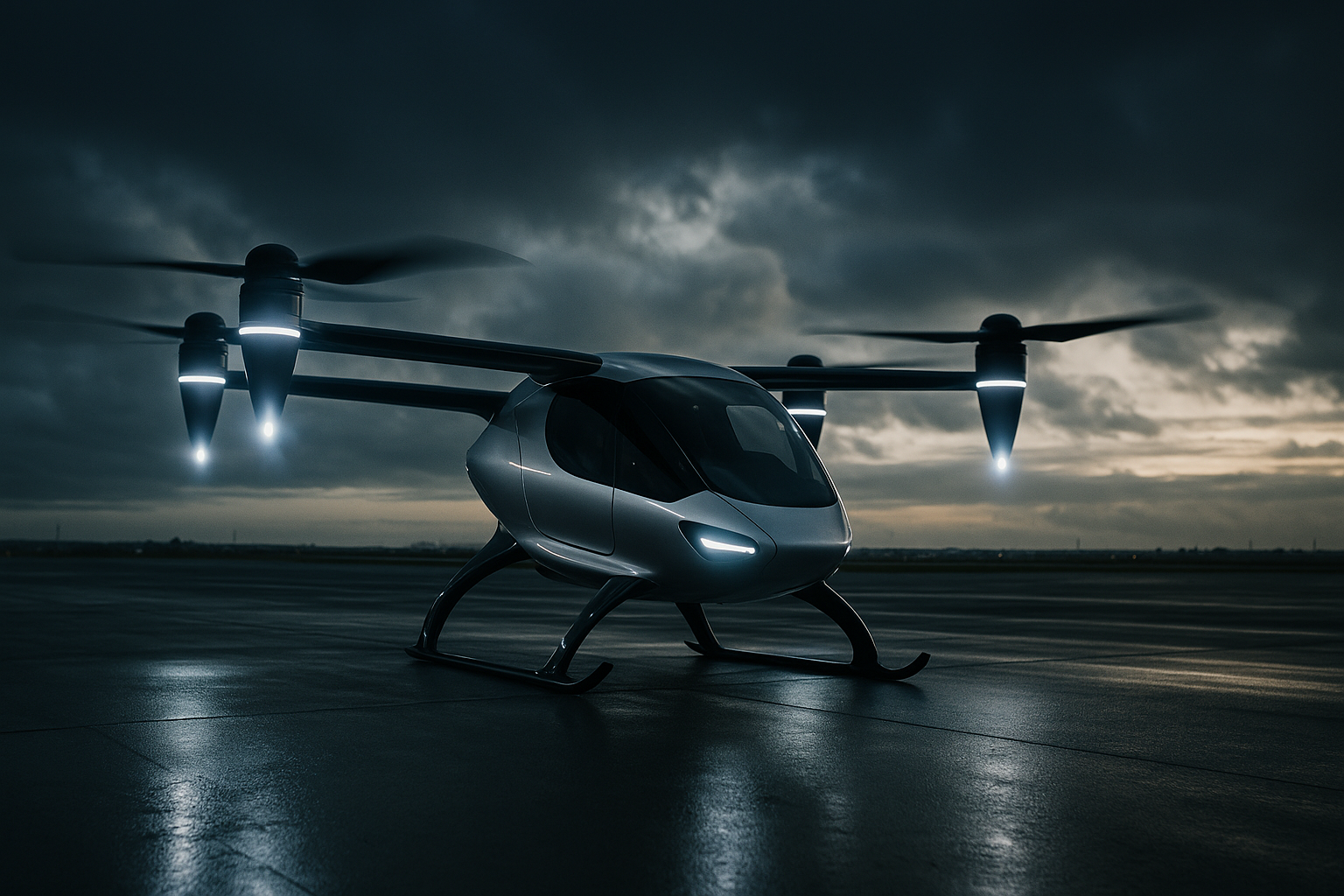
The personal air mobility industry took a significant leap forward as battery technology innovator SES AI announced a framework agreement with Doroni Aerospace to collaboratively design and develop advanced battery solutions for electric vertical takeoff and landing aircraft. This partnership represents a critical convergence of two essential technologies: cutting-edge energy storage and next-generation aircraft design. As the eVTOL sector continues its rapid expansion, reliable and efficient battery systems have become the cornerstone of viable commercial operations.
The Strategic Partnership Between SES AI and Doroni Aerospace
SES AI, a leading developer of lithium-metal battery technology, has partnered with Doroni Aerospace, an emerging player in the eVTOL market, to create purpose-built battery solutions specifically engineered for electric aircraft applications. This framework agreement goes beyond simple supply relationships, establishing a collaborative development approach that allows both companies to optimize battery performance for the unique demands of vertical takeoff and sustained flight operations.
Doroni Aerospace has gained recognition in the eVTOL space for its innovative aircraft designs and commitment to practical, near-term solutions for urban air mobility. By integrating SES AI’s advanced battery technology, Doroni can enhance its aircraft’s range, payload capacity, and overall performance characteristics—factors that directly impact commercial viability and customer satisfaction.
The partnership model employed by these two companies reflects a broader industry trend: specialized collaboration between component suppliers and aircraft manufacturers. Rather than operating in silos, leading companies now recognize that optimal eVTOL performance requires seamless integration of advanced battery chemistry with aircraft engineering from the earliest development stages.
Advanced Battery Technology for eVTOL Applications
SES AI’s lithium-metal battery platform offers substantial advantages over conventional lithium-ion cells, including higher energy density, improved thermal stability, and faster charging capabilities. For eVTOL aircraft, these improvements translate directly into extended flight times, reduced charging cycles, and enhanced safety margins during critical flight phases. Energy density is particularly crucial for vertical takeoff vehicles, which demand significant power reserves during ascent and transition phases.
The collaborative development process outlined in the framework agreement will focus on tailoring SES AI’s battery technology to meet Doroni’s specific operational requirements. This might include optimizing for rapid charge cycles at vertiports, ensuring reliable performance across diverse climate conditions, and implementing monitoring systems that provide real-time data to aircraft operators. Custom battery solutions like these represent the evolution beyond generic off-the-shelf components toward integrated systems specifically architected for eVTOL missions.
Advanced battery development also addresses one of the most significant barriers to eVTOL commercialization: regulatory certification. By working together from early stages, SES AI and Doroni can align their development roadmaps with emerging aviation authority requirements, potentially accelerating the path to certification and deployment. This coordinated approach reduces costly iterations and ensures that performance gains translate into regulatory approval.
Implications for the eVTOL Industry
This agreement signals continued confidence in the eVTOL sector’s commercial potential despite competitive pressures and market consolidation. When battery specialists and aircraft manufacturers establish formal development partnerships, it typically indicates both parties’ commitment to long-term market viability and their belief that technical solutions to current limitations are achievable within realistic timeframes.
The broader eVTOL ecosystem will benefit from the innovations emerging from this collaboration. Improved battery technology raises performance baselines across the industry, establishing new expectations for range, payload, and charging infrastructure requirements. As one company achieves breakthroughs in energy density or thermal management, competing manufacturers and battery suppliers face pressure to match or exceed these advancements, creating a positive feedback loop of innovation.
Industry observers note that battery technology remains one of the final major hurdles before mass-market eVTOL deployment. While aircraft design, regulatory frameworks, and infrastructure planning have advanced considerably, energy storage capabilities still constrain operational envelope and economic viability. Partnerships like the SES AI-Doroni agreement represent direct attacks on this remaining bottleneck, suggesting that commercial eVTOL services could become reality in the near-to-medium term.
Regulatory and Commercial Path Forward
The framework agreement between these companies also has important implications for regulatory certification pathways. Aviation authorities worldwide are developing certification standards for eVTOL aircraft, and battery performance specifications form a critical component of these emerging requirements. By collaborating with regulators during the development phase, companies like SES AI and Doroni can help shape practical, achievable standards that balance safety with innovation timelines.
Commercial deployment considerations further underscore why this partnership matters. eVTOL operators require batteries with predictable performance characteristics, long cycle life, and minimal maintenance requirements. SES AI’s involvement ensures that battery solutions aren’t just theoretically superior but practically suited to the demands of commercial air taxi operators, charter services, and emergency response applications that Doroni targets.
The economic model for eVTOL services depends heavily on operational efficiency metrics including energy cost per passenger-kilometer, battery replacement intervals, and downtime for maintenance and charging. The SES AI-Doroni collaboration explicitly addresses these commercial considerations, not just raw performance specifications. This focus on practical deployment economics increases the likelihood that resulting products will actually transition from laboratory environments to revenue-generating operations.
Key Takeaways from the SES AI-Doroni Partnership
- Advanced battery technology from SES AI will enable Doroni aircraft to achieve extended range, higher payload capacity, and improved reliability compared to conventional lithium-ion solutions.
- Collaborative development between battery specialists and aircraft manufacturers accelerates certification timelines and ensures regulatory compliance, reducing barriers to commercial deployment.
- This partnership demonstrates sustained industry confidence in eVTOL commercialization and highlights battery technology as the critical remaining innovation frontier for viable urban air mobility services.
The SES AI and Doroni Aerospace framework agreement represents a meaningful milestone in the eVTOL industry’s progression toward practical, commercial-scale operations. By combining advanced battery chemistry with purpose-engineered aircraft design, these companies are directly addressing one of the sector’s most significant remaining challenges. As this collaboration matures and delivers real-world performance improvements, the feasibility and timeline for widespread eVTOL deployment will become increasingly clear. The personal air mobility revolution continues to advance, powered by strategic partnerships that merge specialized expertise into integrated solutions.