HIGHLIGHTS
- Boeing spins off three aviation startups including Archer Aviation, granting operational independence while maintaining strategic board involvement and minority ownership stakes.
- Archer Aviation’s Midnight eVTOL aircraft gains autonomy to pursue faster commercialization, airline partnerships, and venture capital funding without Boeing corporate constraints.
- Spinoff strategy reflects aerospace industry-wide shift toward distributed innovation models, enabling specialized organizations to navigate regulatory certification and urban air mobility market development more effectively.
Boeing has announced a significant strategic restructuring that will spin off three of its aviation startups, including the prominent electric vertical takeoff and landing (eVTOL) company Archer Aviation. This move represents a watershed moment in how established aerospace manufacturers are approaching the emerging personal air mobility sector, transitioning from traditional corporate ownership models to independent venture structures. The decision reflects Boeing’s confidence in these companies’ potential while allowing them the agility needed to compete in the rapidly evolving urban air mobility landscape.
Boeing’s Strategic Spinoff: A New Era for eVTOL Independence
Boeing’s decision to spin off three startups marks a deliberate shift in corporate strategy within the aerospace industry. Rather than maintaining these innovative companies as internal divisions, Boeing is enabling them to operate as independent entities, granting them greater operational autonomy and the ability to raise capital from external investors. This approach has become increasingly popular among legacy aerospace manufacturers seeking to foster innovation while managing risk in the speculative eVTOL market.
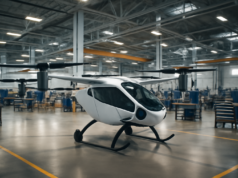
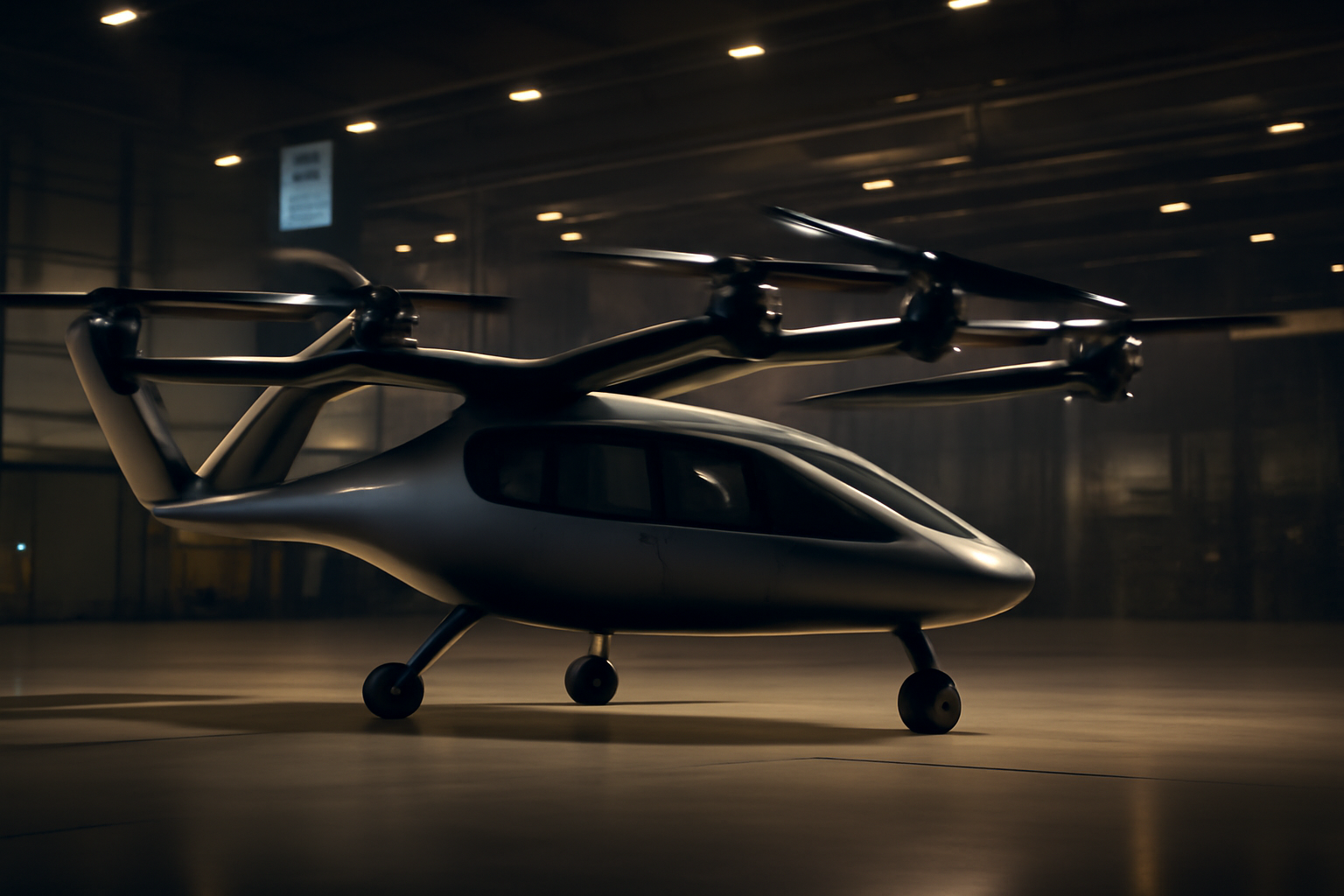
Archer Aviation, a leading player in the eVTOL space, stands to benefit significantly from this independence. The company has been developing its Midnight aircraft, a four-passenger electric vertical takeoff vehicle designed for urban air mobility applications. By becoming independent, Archer can pursue its own strategic partnerships, licensing agreements, and financing opportunities without the constraints of Boeing’s corporate structure.
The spinoff structure typically includes provisions for Boeing to maintain strategic involvement through board representation or minority ownership stakes, ensuring alignment between Boeing’s long-term interests and the startups’ development trajectories. This hybrid approach allows Boeing to participate in the upside of successful eVTOL commercialization while reducing capital requirements and operational overhead.
Archer Aviation: Leading the Charge in Urban Air Mobility
Archer Aviation has emerged as one of the most well-funded and publicly visible eVTOL developers globally. The company’s Midnight aircraft represents a significant technological achievement in electric vertical takeoff design, featuring innovative motor and battery systems optimized for urban operations. With its spinoff from Boeing, Archer gains the flexibility to pursue aggressive commercialization timelines and secure additional funding rounds from venture capital firms and aviation investors.
The company’s development roadmap includes multiple Midnight variants tailored for different mission profiles, from air taxi services to emergency medical transport. Archer has already secured partnerships with major airlines and airport operators, positioning itself as a serious contender in the emerging urban air mobility ecosystem. Independence from Boeing may accelerate these partnerships by removing corporate bureaucracy from decision-making processes.
Archer’s technical expertise spans battery management systems, distributed electric propulsion, noise reduction, and autonomous flight capabilities. These competencies are precisely what the commercial eVTOL market requires as companies approach certification milestones with regulatory agencies worldwide. The spinoff decision validates Boeing’s assessment that Archer possesses the technological foundation and market positioning to succeed as a standalone enterprise.
The Broader Aerospace Industry Transformation
Boeing’s spinoff strategy reflects a broader industry trend where legacy aerospace manufacturers are diversifying their approaches to emerging mobility technologies. Rather than betting the entire corporate future on revolutionary new vehicle types, established players are incubating multiple ventures and allowing successful projects to mature independently. This distributed innovation model reduces risk while maintaining optionality across different technological and market development pathways.
Other aerospace giants including Airbus and Bell Helicopter have adopted similar strategies, creating or acquiring startup portfolios in urban air mobility, autonomous systems, and advanced propulsion technologies. These companies recognize that the eVTOL sector requires different organizational cultures, decision-making speeds, and financing models than traditional aircraft manufacturing. Spinoffs and independent subsidiary structures provide the necessary organizational flexibility.
The aerospace industry’s fragmentation into multiple competing eVTOL platforms actually accelerates overall market development by encouraging specialization and focused innovation. Boeing’s spinoff of three startups demonstrates confidence that market demand will eventually support multiple successful eVTOL operators, each serving specific niches within the broader urban air mobility ecosystem.
Regulatory Pathways and Commercialization Timelines
As independent entities, Boeing’s spinoffs can pursue specialized regulatory certification strategies optimized for their specific aircraft designs and operational requirements. The FAA and international aviation authorities have begun establishing certification standards for eVTOL aircraft, creating windows of opportunity for companies with certification-ready designs. Archer Aviation, in particular, has been advancing through early certification phases and may accelerate this process with increased focus as an independent company.
The spinoff timing is strategically significant because it positions these companies to capitalize on emerging regulatory frameworks and early market opportunities in cities like Los Angeles, New York, and London where air taxi services are expected to launch within the next few years. Independence allows faster decision-making regarding operational partnerships with municipal authorities and airport operators who are preparing infrastructure for eVTOL services.
Archer and its sister companies will need to demonstrate consistent progress on certification milestones, noise compliance, battery safety, and autonomous flight capabilities to maintain investor confidence and regulatory acceptance. The spinoff structure provides these companies with the governance flexibility to pivot quickly if technical or regulatory challenges emerge, a critical advantage in an industry where certification requirements continue evolving.
Key Takeaways: Boeing’s eVTOL Strategy Transformation
- Boeing is spinning off three aviation startups, including Archer Aviation, granting them independent operational status while maintaining strategic Boeing involvement through board seats and minority ownership stakes.
- Archer Aviation’s Midnight electric vertical takeoff aircraft will now pursue commercialization with greater organizational autonomy, accelerating partnerships with airlines, airports, and venture capital investors seeking eVTOL exposure.
- The spinoff strategy reflects industry-wide recognition that eVTOL commercialization requires organizational agility and specialized financing models that independent ventures can provide more effectively than traditional corporate divisions.
Boeing’s decision to spin off three aviation startups represents a watershed moment in the aerospace industry’s approach to personal air mobility innovation. By enabling Archer Aviation and its companion ventures to operate independently, Boeing has effectively signaled its confidence in the eVTOL market’s commercial viability while positioning itself to benefit from multiple technology pathways without bearing the full financial and organizational burden of internal development. This strategic approach will likely inspire additional spinoffs and restructuring among other aerospace manufacturers, accelerating the industry’s overall transition toward distributed, specialized innovation in urban air mobility technologies. For investors, regulators, and urban planners anticipating commercial eVTOL operations within the next decade, Boeing’s spinoff decision confirms that major aerospace institutions are now fully committed to making electric vertical takeoff aircraft a cornerstone of future transportation infrastructure.