
HIGHLIGHTS
- Intel scores $150M paper gain from Joby Aviation and Mobileye stock rally in Q2 2026
- Joby’s surge reflects advancing regulatory certification and nearing commercial eVTOL deployment
- Mobileye’s autonomous systems expertise proves critical across both ground and aerial mobility sectors
Intel Corporation has secured significant financial gains from its strategic investments in two pivotal companies driving the future of personal air mobility and autonomous systems. With Joby Aviation and Mobileye both posting impressive Q2 2026 performance, Intel’s portfolio has benefited from a combined $150 million paper gain, reflecting growing market confidence in electric vertical takeoff and landing (eVTOL) technology and autonomous vehicle platforms. This financial milestone underscores the accelerating momentum behind the air mobility sector, which continues to attract institutional investment and reshape transportation infrastructure globally.
Joby Aviation’s Market Surge and Industry Impact
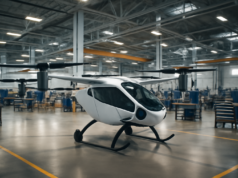
Joby Aviation, one of the leading developers of electric vertical takeoff and landing aircraft, has emerged as a cornerstone investment for Intel’s diversified tech portfolio. The company’s stock performance in Q2 2026 reflects the maturation of its technology roadmap and progress toward commercial operations. Joby’s commitment to developing reliable, safe, and efficient eVTOL aircraft has positioned it as a frontrunner in transforming urban and regional transportation.
The surge in Joby’s valuation demonstrates market recognition of the substantial opportunities within the personal air mobility sector. As regulatory frameworks continue to develop worldwide, companies like Joby that maintain robust safety records and transparent operational standards are gaining institutional investor confidence. This positive market sentiment validates years of research, development, and capital investment directed toward making eVTOL technology commercially viable and accessible.
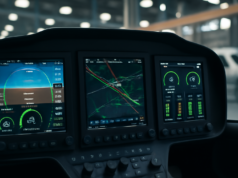
Intel’s early backing of Joby reflects strategic foresight into the computing and sensor requirements that eVTOL aircraft demand. From navigation systems to autonomous flight management, the integration of advanced semiconductor and processing technology is essential for safe, reliable operations. As Joby scales production and prepares for operational deployment, partnerships with technology leaders like Intel become increasingly valuable.
Mobileye’s Autonomous Systems Growth
Mobileye, Intel’s autonomous vision subsidiary, has also delivered exceptional Q2 results, driving significant value for Intel shareholders. The company’s expertise in computer vision, AI-driven decision-making, and autonomous systems development positions it at the intersection of multiple transportation revolutions, including both ground-based autonomous vehicles and increasingly, aerial mobility systems. Mobileye’s stock performance reflects investor confidence in the durability and scalability of its technology platform.
The autonomous systems market continues to expand at unprecedented rates, with applications extending far beyond traditional automotive sectors. Mobileye’s sensor fusion capabilities, machine learning algorithms, and real-time processing systems are equally applicable to eVTOL aircraft, which require sophisticated obstacle detection, terrain mapping, and autonomous navigation in complex three-dimensional airspace. This technological overlap creates compelling synergies between Mobileye and aviation industry partners.
Q2’s strong performance highlights the market’s growing recognition that autonomous technology represents not a speculative trend but a fundamental transformation of mobility. Regulatory bodies, city planners, and transportation operators are increasingly investing in infrastructure and permitting frameworks to support autonomous systems, creating a self-reinforcing cycle of adoption and innovation.
Intel’s Strategic Portfolio in Emerging Mobility
Intel’s $150 million paper gain from these two investments reflects the company’s strategic positioning within the rapidly evolving mobility ecosystem. Rather than concentrating on traditional semiconductor manufacturing alone, Intel has made deliberate venture capital decisions to align with transformative technologies that will define transportation in coming decades. This dual investment in eVTOL and autonomous systems represents a coherent vision of how future mobility will integrate both air and ground-based transportation networks.
The timing of these gains in Q2 2026 coincides with broader regulatory progress in several key markets. The FAA, EASA, and other international aviation authorities have been incrementally approving eVTOL certification standards, bringing commercial operations closer to reality. Simultaneously, autonomous vehicle testing programs have expanded, with increasing numbers of vehicles accumulating real-world operational miles. This convergence of regulatory clarity and technical progress has validated investor confidence in both sectors.
Intel’s leveraging of its core semiconductor and computing expertise to support emerging mobility companies demonstrates how traditional tech leaders can remain relevant and profitable during industry-wide transformations. Rather than viewing eVTOL and autonomous systems as external threats, Intel has positioned itself as an essential technology partner, ensuring that its processing power, sensor integration capabilities, and software platforms remain integral to next-generation mobility solutions.
Market Implications and Industry Outlook
The $150 million paper gain signals to the broader investment community that personal air mobility and autonomous systems represent serious, maturing market opportunities rather than speculative ventures. When established technology corporations like Intel realize substantial returns from investments in these sectors, it encourages additional institutional capital to flow into related companies and infrastructure development. This increased funding accelerates product development cycles and brings commercial deployment timelines forward.
The convergence of Joby’s and Mobileye’s strong Q2 performance suggests that multiple segments of the mobility revolution are progressing in parallel. Rather than one technology sector dominating investor attention, the market is increasingly capable of supporting multiple simultaneous transformations. This diversification reduces systemic risk and creates more robust long-term market dynamics.
Looking forward, the trajectory established by these Q2 results will likely continue influencing capital allocation decisions throughout 2026 and beyond. As Joby moves toward operational deployment in key markets like the San Francisco Bay Area and Mobileye continues expanding autonomous vehicle partnerships globally, both companies will remain focal points for investor attention and competitive positioning within the broader tech and mobility sectors.
Key Takeaways for Air Mobility Industry
- Intel realizes $150M paper gains from Joby Aviation and Mobileye stock rallies, validating the investment thesis that eVTOL and autonomous systems represent mature, scalable market opportunities.
- Joby’s stock surge reflects progress in regulatory certification, technology development, and operational readiness for commercial eVTOL deployment in major markets.
- Mobileye’s strong Q2 performance demonstrates cross-sector applicability of autonomous vision and AI systems, with relevance to both ground vehicles and aerial mobility platforms.
Intel’s substantial paper gains from Joby Aviation and Mobileye in Q2 2026 represent far more than financial returns for a diversified technology corporation. These gains signify that personal air mobility and autonomous systems have transitioned from speculative ventures to recognized market realities capable of generating investor confidence and institutional capital. As regulatory frameworks continue maturing and technical capabilities advance, companies at the forefront of these transformations—like Joby and Mobileye—will continue attracting investment and accelerating the timeline toward widespread commercial deployment. For the broader mobility sector, this positive momentum creates opportunities for supply chain development, infrastructure investment, and operational scaling across multiple transportation domains.