
HIGHLIGHTS
- Columbus officials are positioning the Georgia city as an eVTOL hub to attract manufacturers, tech companies, and investment in the emerging air mobility sector
- Infrastructure development including vertiports and charging networks will create high-wage jobs in engineering, construction, and smart city technology sectors
- Early adoption gives Columbus competitive advantage in influencing federal eVTOL regulations while competing with other cities pursuing similar economic development strategies
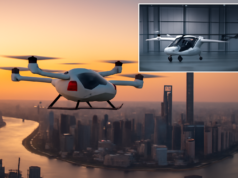
Columbus, Georgia is positioning itself as the next frontier for personal air mobility, with city officials actively exploring how eVTOL (electric vertical takeoff and landing) technology could transform the region’s economy. The move reflects a broader trend across American cities eager to capitalize on the emerging air mobility sector and establish themselves as innovation hubs.
Columbus Embraces the Future of Urban Mobility
City officials in Columbus have begun serious discussions about integrating eVTOL infrastructure into their economic development strategy. The initiative signals confidence that electric air taxis and personal aircraft will become a practical reality for urban transportation within the next decade. By positioning early, Columbus aims to attract companies, investment, and talent to the region before the market becomes saturated.
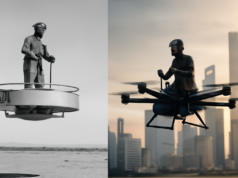
The “Jetsons” reference used by local leaders captures the visionary nature of the project—transforming a traditional mid-sized American city into a hub for futuristic transportation technology. This forward-thinking approach demonstrates how regional governments are shifting from reactive to proactive stances on emerging technologies.
Economic development teams in Columbus recognize that early adoption of eVTOL infrastructure could provide competitive advantages in attracting tech companies, manufacturers, and service providers. Cities that establish vertiports, charging facilities, and regulatory frameworks now may see significant returns as the industry scales.
Infrastructure and Urban Planning Implications
Implementing eVTOL systems requires more than just vehicles—it demands a complete reimagining of urban infrastructure. Columbus would need to designate landing zones, establish charging networks, and integrate air traffic management systems with existing ground transportation. These physical and digital infrastructure investments represent significant economic opportunities for construction, technology, and service industries.
City planners are evaluating potential vertiport locations, considering factors like proximity to downtown areas, minimal noise impact on residential zones, and connectivity to ground transportation networks. Strategic placement of these facilities could revitalize underutilized commercial areas while generating new revenue streams through landing fees and partnerships.
The infrastructure development process also creates jobs in engineering, construction, and smart city technology sectors. As cities compete to become eVTOL hubs, workforce development in these high-skill, high-wage sectors becomes increasingly valuable.
Economic Development and Job Creation
The eVTOL industry promises substantial economic benefits for early-adopter cities like Columbus. Manufacturing facilities, distribution centers, maintenance operations, and pilot training programs could all locate in regions with established eVTOL ecosystems. These facilities would generate direct employment, local spending, and tax revenue.
Columbus’s interest in eVTOL also positions the region to attract venture capital and private investment. Companies developing air mobility technology seek communities that understand and support their mission. By demonstrating institutional readiness, Columbus can compete for research partnerships and corporate headquarters locations against other cities pursuing similar strategies.
Tourism and transportation services represent additional economic opportunities. As eVTOL becomes operational, Columbus could market air taxi services, scenic flights, and mobility tours, creating new service sector jobs and attracting visitors seeking futuristic travel experiences.
Regulatory and Competitive Landscape
Columbus enters the eVTOL race at a moment when federal regulations remain in development, giving early-adopting cities influence over how rules take shape. The Federal Aviation Administration continues working on certification standards for eVTOL manufacturers and operational procedures for urban air mobility. Cities engaged in real-world planning help inform these regulatory frameworks.
Other American cities including Miami, Los Angeles, Dallas, and several others are also exploring eVTOL integration, creating healthy competition for infrastructure investment and company relocations. Columbus’s proactive approach helps the city stand out in this increasingly crowded field, particularly by highlighting its geographic advantages and forward-thinking governance.
The competitive landscape also drives innovation in air traffic management, charging technology, and vertiport design. Cities that collaborate with multiple eVTOL companies accelerate technological advancement while positioning themselves as neutral hubs rather than advocates for single manufacturers.
Public Perception and Stakeholder Engagement
The Jetsons reference suggests Columbus officials are successfully framing eVTOL as an exciting, aspirational technology that captures public imagination. This positive framing is crucial for building community support for infrastructure investments and regulatory changes needed to support air mobility operations.
Effective stakeholder engagement with residents, businesses, environmental groups, and aviation experts will determine how smoothly eVTOL integration proceeds. Columbus must address legitimate concerns about noise, safety, and equitable access while communicating benefits to broader economic development goals.
Community education initiatives help residents understand how eVTOL could improve their quality of life through reduced traffic congestion, faster emergency response times, and access to services. Building this narrative early creates political capital for infrastructure investments and regulatory approvals.
Key Strategic Considerations for Columbus
- Early infrastructure investment and vertiport development position Columbus to capture manufacturing, service, and talent clusters before market saturation
- Federal regulatory engagement ensures the city’s operational plans align with emerging FAA standards, reducing future compliance costs and disruptions
- Multi-stakeholder collaboration with residents, businesses, and eVTOL companies builds sustainable support for long-term economic transformation
Columbus, Georgia is making a bold bet on the future of urban transportation. By actively exploring eVTOL integration as an economic development strategy, the city positions itself to capture significant benefits as the personal air mobility industry matures. The “Jetsons” vision that captivated twentieth-century audiences may soon become twentieth-first-century reality in Columbus and other forward-thinking communities willing to invest in tomorrow’s infrastructure today.