HIGHLIGHTS
- Archer Aviation acquires Wisk Aero from Boeing, uniting two industry leaders in eVTOL technology and autonomous flight systems
- Combined company gains proven autonomous aircraft capabilities and accelerates FAA certification pathways by eliminating redundant development efforts
- Strategic consolidation strengthens competitive position in eVTOL market and establishes new precedent for aerospace industry deal-making in emerging mobility
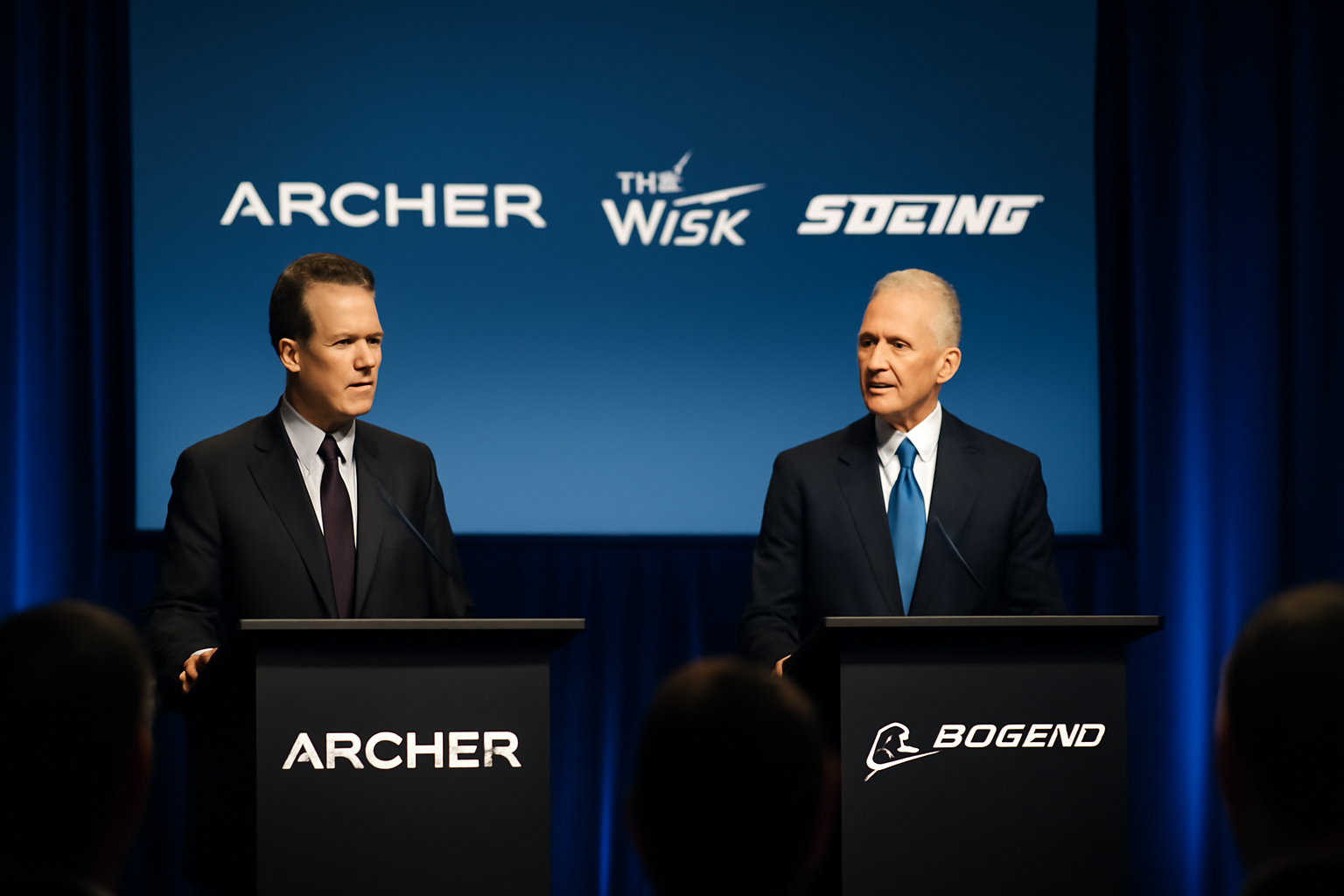
In a landmark move for the personal air mobility industry, Archer Aviation has announced the acquisition of Wisk Aero from Boeing, uniting two of the most innovative companies in electric vertical takeoff and landing technology. This strategic deal marks a pivotal moment in the consolidation of the eVTOL sector, bringing together complementary strengths in aircraft design, autonomous flight systems, and certification pathways. The acquisition represents a significant vote of confidence in the viability of urban air mobility solutions and signals accelerating momentum toward commercial deployment of these revolutionary aircraft.
The Strategic Significance of the Merger
The acquisition of Wisk Aero by Archer Aviation represents more than a simple business transaction—it’s a consolidation of two complementary visions within the eVTOL ecosystem. Archer brings proven manufacturing capabilities, regulatory expertise, and a clear path to commercialization, while Wisk contributes advanced autonomous flight technology and decades of aerospace heritage from Boeing. Together, the combined entity is positioned to accelerate development timelines and reduce redundant R&D efforts across the industry.
This merger occurs at a critical juncture in the eVTOL market, where consolidation has become increasingly necessary to sustain the enormous capital requirements and regulatory complexity of bringing new aircraft to market. By combining resources, Archer and Wisk can share certification costs, pooling their technical expertise with regulatory agencies and reducing the duplicative efforts that have historically slowed eVTOL development. The deal also strengthens the competitive position of both companies against other entrants in the rapidly expanding market for urban air mobility solutions.
Boeing’s decision to divest Wisk Aero from its portfolio reflects broader industry trends, as legacy aerospace manufacturers reassess their involvement in speculative emerging technologies. For Archer Aviation, the acquisition represents an opportunity to acquire battle-tested autonomous systems and leverage Boeing’s extensive aerospace heritage. This strategic alignment could prove decisive in establishing industry standards and capturing early market share in commercial eVTOL operations.
Wisk Aero’s Autonomous Flight Technology
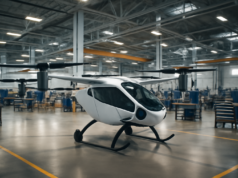
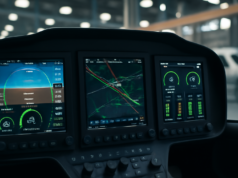
Wisk Aero has long been recognized as a pioneer in autonomous eVTOL systems, with a singular focus on developing self-piloted aerial vehicles that require minimal human intervention. The company’s proprietary technology stack includes advanced avionics, sense-and-avoid systems, and autonomous flight control algorithms developed over more than a decade of research and flight testing. By integrating these systems into Archer’s platform, the combined entity gains immediate access to proven autonomous capabilities that would have taken years to develop independently.
The autonomous flight systems developed by Wisk address one of the most critical technical and regulatory challenges in eVTOL deployment: eliminating human pilots from the operational equation. This reduces operational costs dramatically, as pilot salaries represent one of the largest line items in traditional air transportation. Beyond economics, autonomous systems unlock new use cases for urban air mobility, including remote or hazardous deliveries, medical transport in constrained environments, and logistics operations that would be impractical with human pilots due to fatigue and workload limitations.
Archer’s integration of Wisk’s autonomous technology also accelerates the pathway to regulatory approval. Both the FAA and international aviation authorities have established frameworks for evaluating autonomous aircraft systems, and Wisk’s extensive flight test data and regulatory interactions provide a head start in the certification process. The combined resources of both companies can now pursue simultaneous certification tracks across multiple regulatory jurisdictions, significantly reducing time-to-market for commercial operations.
Market Consolidation and Competitive Dynamics
The Archer-Wisk merger reflects a broader consolidation trend within the eVTOL industry, where early-stage developers are increasingly seeking partnerships or being absorbed by better-capitalized competitors. Companies like Joby Aviation, Lilium, and others have also pursued strategic consolidations, while some players have exited the market entirely due to funding challenges. This Darwinian evolution is expected and healthy, as it concentrates development resources among companies with the strongest technical foundations and clearest paths to profitability.
From a competitive standpoint, the combined Archer-Wisk entity emerges as one of the strongest contenders in the global eVTOL market. The merger creates a company capable of competing effectively against integrated aerospace giants and well-funded startups alike. By combining Archer’s manufacturing expertise and commercial focus with Wisk’s autonomous technology leadership, the new entity can offer a more complete solution package to potential customers and regulators, differentiating themselves in an increasingly crowded marketplace.
The consolidation also sets a precedent for future deal-making in the sector. As other eVTOL developers face funding pressures and technical challenges, similar strategic acquisitions are likely to accelerate. Larger aerospace companies may view eVTOL acquisitions as a lower-risk path to entering the emerging market, particularly if they can leverage existing manufacturing, certification, and supply chain infrastructure. This dynamic could reshape the competitive landscape significantly over the next 2-3 years.
Regulatory and Certification Pathways Forward
One of the most significant advantages of the Archer-Wisk combination is the enhanced ability to navigate the complex regulatory landscape governing eVTOL operations. Both companies have maintained active engagement with the FAA, EASA, and other international aviation authorities throughout their development programs. Archer’s recent progress toward certification milestones in the United States positions the company favorably in regulatory timelines, while Wisk’s autonomous systems provide additional technical innovations to demonstrate to regulators.
The combined company can now present regulators with a comprehensive technical package that addresses multiple dimensions of the eVTOL certification challenge: aircraft design and airworthiness, autonomous flight systems, remote pilot interfaces, and traffic management integration. This holistic approach may actually accelerate regulatory approval by reducing the number of integration points and technical dependencies that regulators need to evaluate. The merger essentially transforms two parallel certification tracks into a single, more efficient pathway.
Additionally, the acquisition positions Archer-Wisk to influence the development of eVTOL industry standards and regulations at the international level. Larger, more capable companies tend to have greater influence in standard-setting bodies and regulatory forums. By consolidating resources and technical expertise, Archer-Wisk can shape the regulatory framework in ways that favor their technology choices and operational models, potentially creating competitive advantages that persist even after regulatory approval is achieved.
Key Developments from the Archer-Wisk Merger
- Combined company gains advanced autonomous flight control systems and decades of aerospace innovation from Boeing’s heritage, creating a competitive moat in self-piloted eVTOL technology
- Consolidated resources accelerate FAA and international certification timelines by eliminating redundant development efforts and creating unified technical certification packages
- Strengthened market position enables Archer-Wisk to compete effectively against well-funded competitors and legacy aerospace manufacturers entering the eVTOL sector
The acquisition of Wisk Aero by Archer Aviation represents a transformative moment in the maturation of the personal air mobility industry. By combining complementary strengths in manufacturing, certification, and autonomous technology, the merged entity is positioned to accelerate the commercialization of eVTOL aircraft and establish itself as a market leader. As the eVTOL sector continues to evolve and consolidate, successful mergers like this one will likely determine which companies ultimately define the future of urban air mobility. The industry should watch closely for how Archer-Wisk executes its integration strategy and pursues its regulatory approval milestones—success on these fronts could reshape the entire competitive landscape of personal air mobility.