HIGHLIGHTS
- Sri Lanka is launching passenger drone tourism services to establish itself as a South Asian leader in eVTOL technology.
- The initiative creates job opportunities in piloting, maintenance, and operations while generating significant tourism revenue.
- Electric drones eliminate emissions and appeal to eco-conscious travelers, supporting the nation’s sustainability commitments.
Sri Lanka is making a bold leap into the future of tourism by introducing passenger drone services that promise to transform how visitors experience the island’s most iconic destinations. This high-tech initiative represents a significant milestone for personal air mobility in South Asia, positioning Sri Lanka as a regional leader in aviation innovation and sustainable transport solutions.
Sri Lanka’s Vision for Next-Generation Tourism
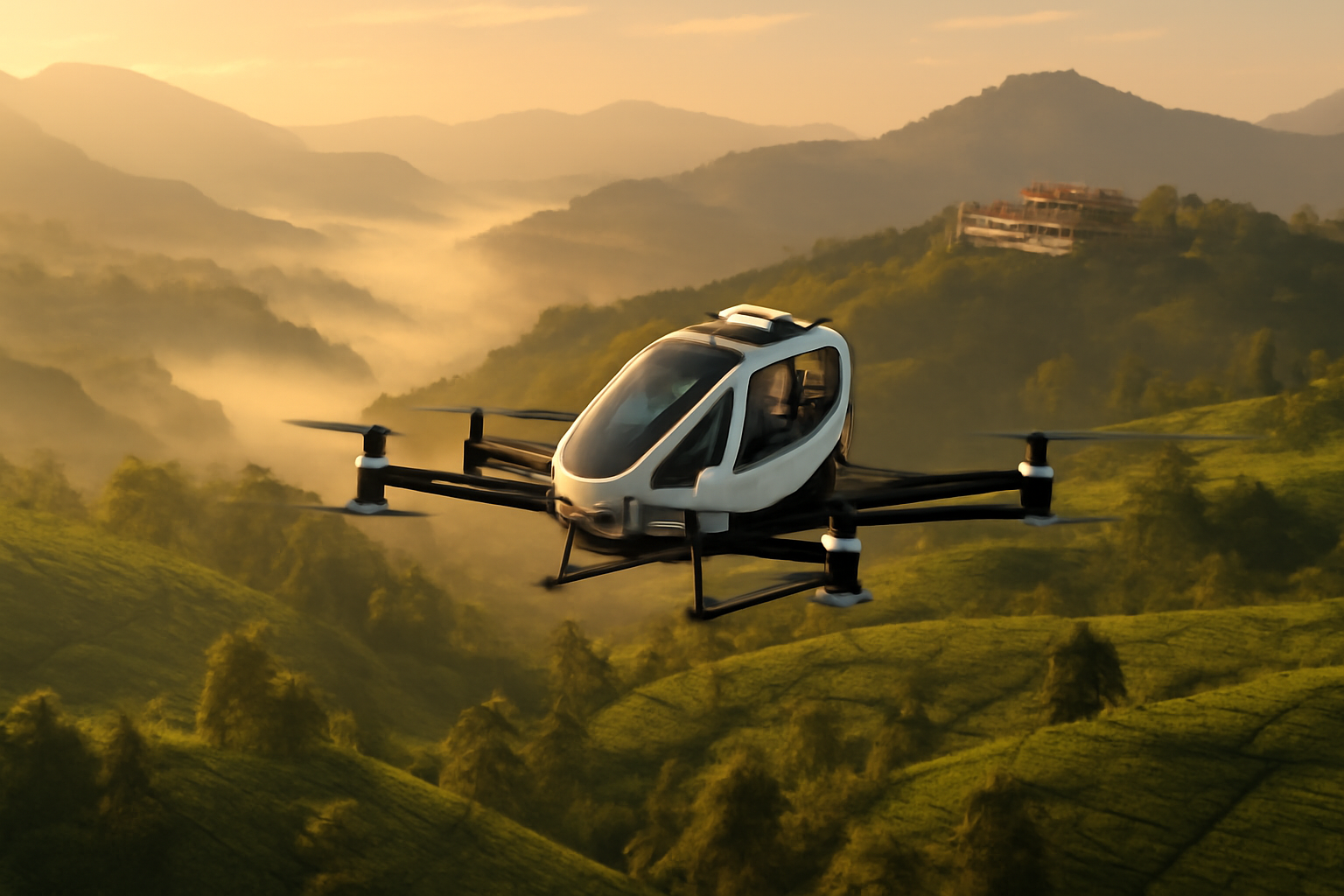
The Sri Lankan government has unveiled an ambitious plan to integrate passenger drone services into its tourism infrastructure, offering visitors a unique aerial perspective of the country’s most breathtaking landscapes. From the misty highlands of Kandy to the coastal regions of the south, these drone services are designed to provide immersive travel experiences that traditional transport cannot match.
This strategic initiative aligns with Sri Lanka’s broader goal of positioning itself as a premium, technology-forward destination in Asia. By embracing eVTOL technology early, the nation aims to attract high-end travelers seeking innovative and exclusive experiences. The move also reflects a commitment to modernizing the tourism sector following economic challenges in recent years.
The drone services will operate across carefully selected routes, connecting major tourist hubs and offering scenic flights over UNESCO World Heritage Sites, national parks, and natural wonders. This infrastructure investment is expected to create new employment opportunities in piloting, maintenance, and ground operations while boosting tourism revenue.
Operational Framework and Implementation
Sri Lanka’s passenger drone services are being developed with strict adherence to international aviation safety standards and regulatory requirements. The government is working with experienced aviation authorities to establish comprehensive operational protocols, pilot certification programs, and passenger safety procedures that exceed industry norms.
The implementation strategy includes establishing drone landing pads and charging stations at key tourism destinations, hotels, and transportation hubs. These infrastructure developments require significant investment but are essential for creating a seamless, integrated system that serves both tourists and local residents. Initial phases will focus on high-demand routes before expanding across the island.
Training programs for certified drone pilots are already underway, with partnerships between government aviation authorities and international aviation schools. This ensures that operators meet global standards while understanding local airspace conditions, weather patterns, and regulatory requirements specific to Sri Lanka’s unique geography.
Environmental and Economic Benefits
Passenger drone services represent a significant step toward sustainable tourism transportation. Electric vertical takeoff and landing (eVTOL) aircraft produce zero direct emissions, contributing to Sri Lanka’s environmental commitments and reducing the carbon footprint of travel activities. This aligns with the nation’s broader sustainability goals and appeals to environmentally conscious travelers.
From an economic perspective, these services are projected to generate substantial revenue through direct passenger fares, premium tourism packages, and ancillary services. Hotels, resorts, and tourism operators are already partnering with authorities to integrate drone flights into travel packages, creating competitive advantages and enhanced visitor experiences.
The development of local eVTOL industries also presents opportunities for manufacturing, maintenance, and service facilities within Sri Lanka. As the sector matures, the nation could become a regional hub for drone technology expertise and aircraft servicing, attracting international investment and skilled workforce development.
Challenges and Regulatory Considerations
While the initiative is ambitious, Sri Lanka faces significant challenges in implementing this high-tech service. Airspace management, particularly in areas shared with commercial aviation, requires careful coordination with existing aviation authorities. The nation’s air traffic control systems will need upgrades to handle eVTOL operations safely alongside traditional aircraft.
Regulatory frameworks are still being developed, with authorities establishing safety protocols, emergency response procedures, and insurance requirements for passenger drone operations. International standards exist, but adapting them to Sri Lanka’s specific conditions and infrastructure requires time and expertise.
Public acceptance and passenger confidence in drone safety are critical factors for success. The government is implementing education campaigns and demonstration flights to build trust and understanding among potential users. Insurance and liability frameworks are also being established to protect passengers and operators.
Key Takeaways
- Sri Lanka is launching passenger drone services targeting tourism, making it a South Asian leader in eVTOL technology adoption for commercial use.
- The initiative will create new employment opportunities in drone piloting, maintenance, and ground operations while generating tourism revenue.
- Environmental benefits include zero-emission aircraft that support Sri Lanka’s sustainability goals and appeal to eco-conscious travelers.
Sri Lanka’s entry into the passenger drone services market marks a transformative moment for both the nation’s tourism sector and the broader eVTOL industry in South Asia. By embracing this innovative technology early, the island nation is positioning itself as a forward-thinking destination that combines natural beauty with cutting-edge transportation solutions. Success will require careful attention to safety, regulatory compliance, and public confidence, but the potential rewards—economic growth, environmental benefits, and tourism innovation—make this an exciting development worth watching.