HIGHLIGHTS
- AeroVironment’s decades of unmanned aircraft propulsion expertise directly translates to eVTOL reliability and performance requirements for companies like Joby Aviation.
- The company’s established manufacturing scale and supply chain infrastructure enable cost-effective production ramps required for commercial eVTOL deployment.
- Proven FAA certification relationships and regulatory expertise accelerate airworthiness approval timelines, reducing development risk for eVTOL manufacturers.
As the electric vertical takeoff and landing (eVTOL) market accelerates toward commercialization, propulsion technology has become the critical differentiator between success and failure. AeroVironment, a veteran in unmanned aircraft systems and advanced electric propulsion, is emerging as a key enabler for the next wave of air mobility innovation. With Joby Aviation and other manufacturers racing to deliver certified aircraft, the question becomes: can AeroVironment’s propulsion capabilities deliver the performance, reliability, and scalability required for sustainable growth in this high-stakes industry?
The Propulsion Challenge in eVTOL Development
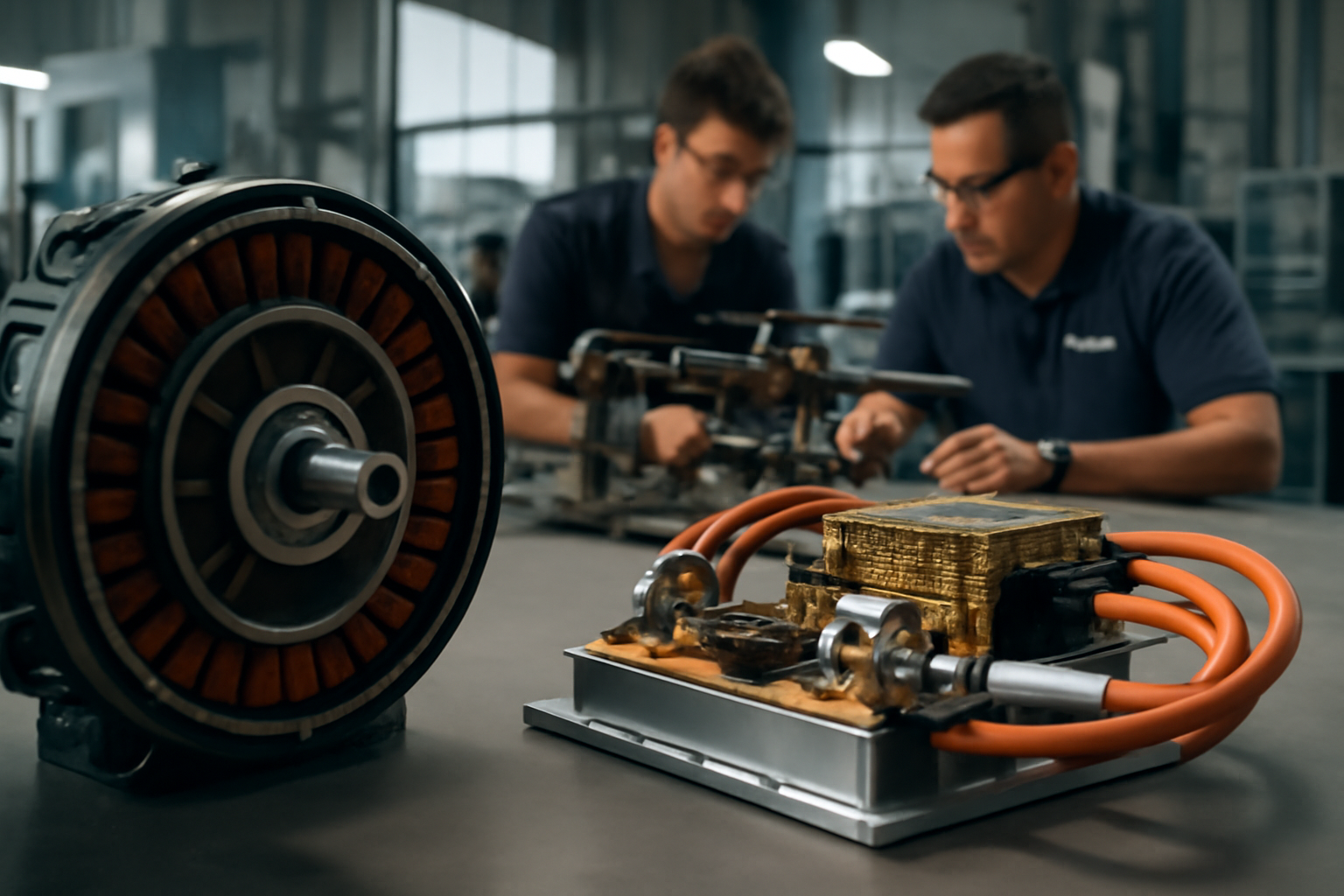
Electric propulsion systems are fundamentally different from traditional aviation powerplants, requiring precision engineering, advanced materials, and innovative thermal management. The demands on eVTOL propulsion are extreme—systems must provide consistent thrust across multiple rotors, operate reliably in urban environments, and deliver sufficient range for practical transportation use. Battery energy density, motor efficiency, and power distribution architecture all converge in a complex engineering puzzle that separates leading manufacturers from laggards.
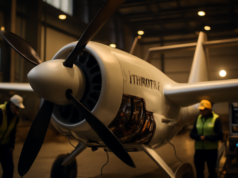
AeroVironment has spent decades refining electric propulsion for unmanned aerial systems (UAS), accumulating expertise that translates directly to eVTOL applications. Their experience with long-endurance aircraft, rapid charging systems, and distributed electric architectures provides a foundation that emerging air taxi companies cannot easily replicate. This institutional knowledge, combined with ongoing R&D investment, positions AeroVironment as a potential supplier and technology partner for companies developing next-generation aircraft.
The stakes are enormous. A propulsion system failure in an eVTOL aircraft operating in urban environments could be catastrophic—both literally and for the industry’s regulatory credibility. This reality makes AeroVironment’s track record in autonomous flight safety particularly valuable to manufacturers seeking to build confidence with regulators and the public.
AeroVironment’s Competitive Positioning
Unlike some pure-play eVTOL startups, AeroVironment brings established manufacturing infrastructure, FAA relationships, and a proven ability to scale production of complex electrical systems. The company has transitioned from research and development into full-rate production for multiple military and civilian customers, demonstrating operational maturity that newer market entrants have yet to achieve. This operational credibility translates into confidence among potential eVTOL partners evaluating supply chain stability.
The competitive landscape includes specialized suppliers like Magnix and Pipistrel, as well as integrated manufacturers developing proprietary systems. AeroVironment’s advantage lies not in offering a single revolutionary technology, but in providing integrated solutions—combining motor design, power electronics, thermal management, and systems integration into reliable packages. For companies like Joby Aviation, accessing proven propulsion subsystems accelerates development timelines and reduces technical risk in certification efforts.
AeroVironment’s existing customer relationships across defense, commercial, and government sectors also create opportunities for technology transfer and innovation pathways. Lessons learned from military applications, autonomous operations, and extended mission profiles can be adapted and refined for eVTOL use cases, compressing development cycles for new configurations.
Scaling Production for Market Demand
Theoretical propulsion capabilities mean little if a company cannot manufacture systems at the scale and cost required for commercial viability. AeroVironment has demonstrated this ability through its UAS business, which produces thousands of aircraft systems annually. The infrastructure, supply chain relationships, and manufacturing processes developed for unmanned systems can be leveraged to support eVTOL production ramps—a capability that pure technology developers often lack.
The cost structure of eVTOL propulsion systems directly impacts aircraft operating economics and route profitability. AeroVironment’s experience in manufacturing optimization, materials sourcing, and process efficiency can contribute meaningfully to reducing propulsion costs over production cycles. As eVTOL manufacturers move from prototype aircraft toward commercial fleets, this manufacturing expertise becomes increasingly valuable.
Supply chain resilience is another critical dimension. Recent global supply chain disruptions have highlighted the importance of geographic diversification, redundant suppliers, and vertical integration. AeroVironment’s established manufacturing footprint and supplier relationships position the company to weather supply challenges that could derail competitors dependent on single-source components or geographically concentrated supply networks.
Regulatory Pathways and Certification Support
Bringing eVTOL aircraft to market requires navigating complex regulatory requirements from the FAA, EASA, and other aviation authorities. These agencies demand comprehensive propulsion system documentation, testing data, failure analysis, and design margins that exceed what many early-stage companies have experience delivering. AeroVironment’s longstanding relationships with regulatory bodies, built through decades of military and civilian UAS programs, provide a significant advantage in certification support.
The company’s expertise in demonstrating safety-critical systems, supporting design reviews, and responding to regulatory technical questions accelerates the certification process. When Joby Aviation, Archer Aviation, or other manufacturers encounter regulatory scrutiny on propulsion-related issues, access to partners with proven certification experience becomes invaluable. This support function often receives less attention than flashy technology breakthroughs, but it directly impacts time-to-market and commercialization success.
Looking ahead, AeroVironment’s ability to adapt propulsion systems to evolving regulatory requirements—such as noise limits, emissions standards, or electromagnetic compatibility—ensures that their technology remains relevant as standards mature. The company’s track record of iterative improvement and responsive engineering positions them well for the regulatory evolution likely to occur as eVTOL operations expand globally.
Key Considerations for Growth Support
- AeroVironment’s propulsion systems must achieve cost targets that enable profitable eVTOL operations at anticipated ticket prices and load factors.
- Scalability of manufacturing processes and supply chains must support production ramps from hundreds to thousands of aircraft annually within 3-5 years.
- Certification support and regulatory expertise accelerate development timelines for eVTOL manufacturers pursuing Part 27 or equivalent airworthiness approvals.
The eVTOL market stands at an inflection point where operational viability transitions from theoretical to demonstrated. AeroVironment’s propulsion capabilities—anchored in decades of electric aircraft development, proven manufacturing scale, and deep regulatory experience—position the company as a potential linchpin in enabling the next generation of air mobility services. Success requires not just advanced technology, but the ability to deliver reliable, affordable, certified systems at scale. By that measure, AeroVironment’s track record suggests the company possesses the foundational capabilities to support sustainable eVTOL growth.