HIGHLIGHTS
- Ampaire secures $19M funding to scale hybrid-electric propulsion technology for general aviation retrofit markets
- Hybrid systems achieve 30-50% fuel savings and extended range by combining electric and combustion engines
- 200,000-aircraft global general aviation fleet presents massive retrofit opportunity with FAA/EASA regulatory support
Ampaire has announced a significant milestone in the electrification of aviation by securing $19 million in new funding. This investment marks a critical step forward in the company’s mission to develop and commercialize hybrid-electric propulsion systems for general aviation aircraft. The funding round demonstrates growing investor confidence in sustainable aviation technologies and the commercial viability of hybrid-electric powertrains as a near-term solution to aviation’s environmental challenges.
The Ampaire Vision for Sustainable Aviation
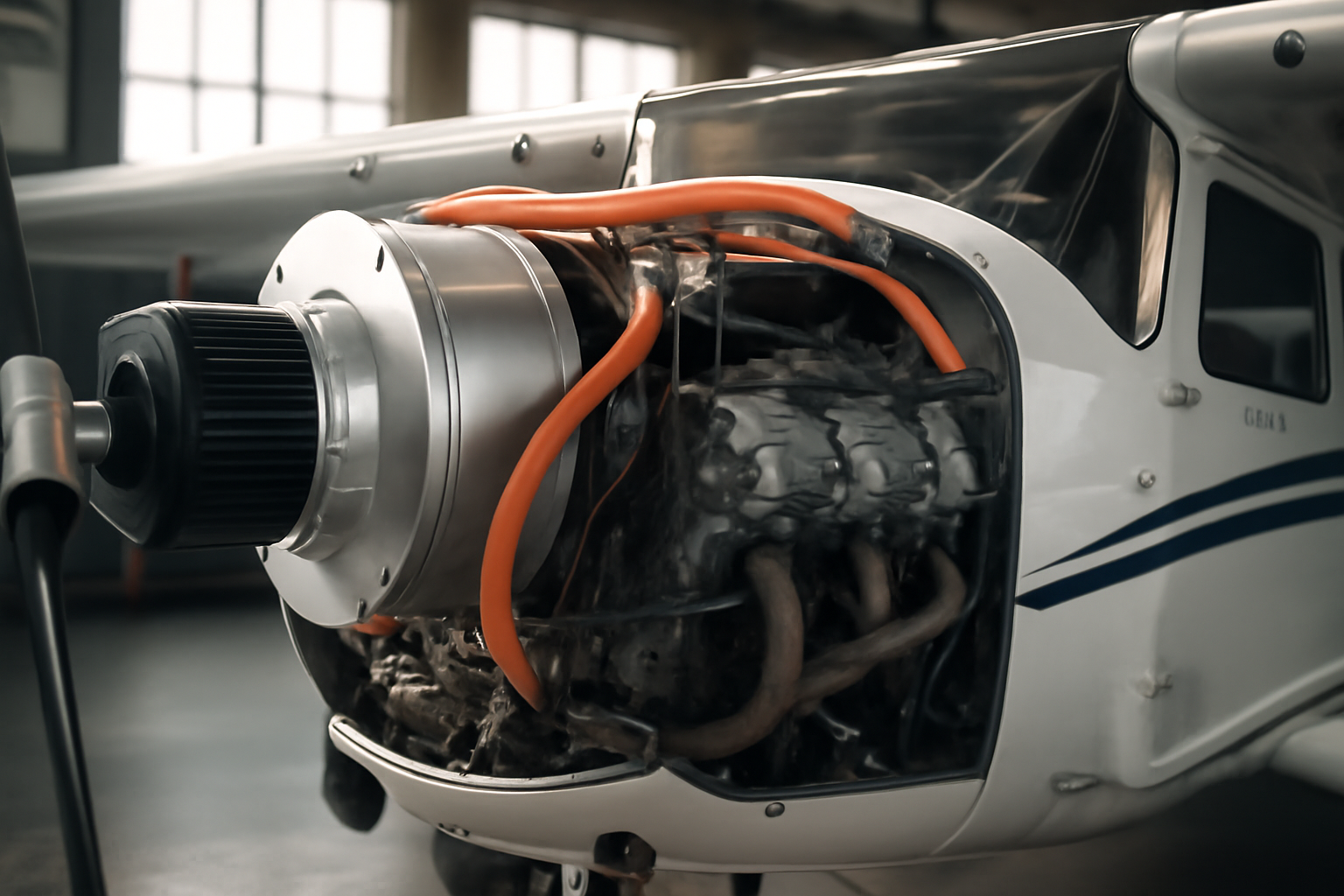
Ampaire has positioned itself at the forefront of the hybrid-electric aviation revolution, focusing specifically on retrofitting and developing hybrid-electric engines for existing general aviation aircraft. Unlike pure electric solutions that face battery energy density limitations, Ampaire’s hybrid approach combines traditional combustion engines with electric motors to reduce fuel consumption, emissions, and operating costs. This pragmatic strategy addresses the immediate needs of the aviation industry while battery technology continues to mature.
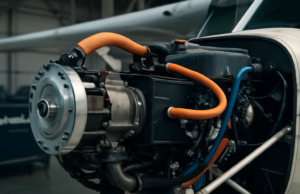
The company’s core technology integrates advanced power management systems, lightweight electric motors, and sophisticated battery packs to seamlessly transition between electric and conventional power sources. This hybrid architecture enables aircraft to perform fuel-intensive takeoff and climb phases more efficiently while maximizing electric power during cruise and descent operations. Ampaire’s engineering philosophy centers on working within existing aircraft platforms rather than designing entirely new airframes, accelerating time-to-market and reducing development costs.
With this fresh capital injection, Ampaire aims to expand its research and development capabilities, scale manufacturing operations, and accelerate certification processes with aviation authorities. The $19 million funding round signals that the aerospace industry and investment community view hybrid-electric propulsion as a viable, near-term pathway to decarbonizing general aviation—a sector comprising thousands of aircraft currently operating with conventional fuel-based engines.
Hybrid-Electric Propulsion: Advantages Over Pure Electric
While all-electric aircraft capture headlines, hybrid-electric systems offer practical advantages that address real-world aviation constraints. Battery technology, despite rapid improvements, currently provides limited energy density compared to jet fuel. A hybrid system mitigates this limitation by maintaining a lightweight battery pack for specific flight phases while retaining a conventional engine for extended range and higher power demands. This dual-source approach significantly extends operational range without requiring a complete overhaul of aviation infrastructure or aircraft design philosophies.
Hybrid-electric propulsion also reduces the stress on electrical and thermal management systems, extending component lifespan and improving overall reliability—critical factors for general aviation, where aircraft often operate in challenging conditions and remote locations. Operating costs decline substantially as hybrid systems reduce fuel consumption during all phases of flight; preliminary data suggests fuel savings of 30-50% on typical general aviation missions. Lower fuel bills directly translate to improved economics for flight schools, charter operators, agricultural aviation, and emergency services.
Ampaire’s hybrid technology further enhances safety by providing redundancy; if one power source fails, the alternative remains available. This inherent safety advantage appeals strongly to operators in general aviation, where single-engine aircraft are the standard. Environmental benefits extend beyond greenhouse gas reduction—hybrid systems produce lower noise signatures during electric-powered phases, addressing noise pollution concerns around smaller airports and supporting community relations for flight operations.
Industry Impact and Market Opportunity
The general aviation sector operates approximately 200,000 aircraft globally, with the vast majority powered by conventional internal combustion engines. This enormous installed base represents both a challenge and an opportunity; retrofitting existing aircraft with hybrid-electric systems provides an economically feasible pathway to sustainability compared to replacing entire fleets. Ampaire’s funding accelerates the availability of retrofit solutions that can be installed on popular aircraft models used by flight schools, private owners, and commercial operators.
Regulatory bodies worldwide are increasingly supportive of hybrid-electric propulsion technologies. The FAA, EASA, and other aviation authorities have begun establishing certification pathways specifically designed for electric and hybrid-electric aircraft, recognizing the technology’s potential to meet environmental mandates. Ampaire’s capital-strengthened position enables the company to navigate these complex certification processes more effectively and bring products to market faster than competitors with fewer resources.
The competitive landscape is intensifying as major aerospace suppliers and startups pursue electrification strategies. Ampaire’s $19 million raise places the company in a strong position to maintain technology leadership and secure partnerships with aircraft manufacturers, operators, and aftermarket service centers. The funding round also suggests investor appetite for sustainable aviation solutions continues to grow, setting the stage for further capital deployment across the electric and hybrid-electric aviation ecosystem.
Future Path: Technology Roadmap and Market Rollout
Ampaire’s near-term priorities include expanding its hybrid-electric engine portfolio to cover a wider range of aircraft, from two-seat trainers to twin-engine business aircraft. The company is actively working on systems that can be retrofitted to popular platforms like the Cessna 172, which represents thousands of aircraft in active service globally. Each successful retrofit certification creates a template for similar installations, accelerating market penetration and economies of scale in manufacturing.
The medium-term outlook involves developing increasingly sophisticated power management algorithms that optimize the balance between electric and conventional power based on real-time flight conditions, weather, and mission requirements. Machine learning and artificial intelligence will enable hybrid systems to adapt dynamically, further improving efficiency and extending aircraft range. Additionally, Ampaire is exploring partnerships with battery manufacturers to integrate next-generation energy storage solutions as battery technology advances.
Long-term strategy positions hybrid-electric technology as a transitional solution toward fully electric aviation as battery capabilities improve. This pragmatic roadmap appeals to operators who must meet environmental requirements while maintaining aircraft reliability, range, and performance standards. Ampaire’s $19 million investment enables the company to execute this multi-phase strategy, establishing market presence and operational experience that will inform the evolution toward pure-electric regional aircraft over the coming decade.
Key Takeaways
- Ampaire’s $19 million funding accelerates hybrid-electric propulsion development for general aviation retrofit markets
- Hybrid systems deliver 30-50% fuel savings and extend aircraft range beyond battery-only limitations
- General aviation’s 200,000-aircraft global fleet represents massive retrofit opportunity with growing regulatory support
Ampaire’s $19 million funding round represents a pivotal moment for hybrid-electric aviation. By focusing on practical retrofit solutions for existing aircraft and leveraging proven hybrid-electric technology, the company addresses both environmental imperatives and economic realities facing general aviation operators. As regulatory frameworks mature and battery technology continues advancing, hybrid-electric propulsion serves as the critical bridge technology connecting today’s conventional fleet to tomorrow’s fully electric aviation ecosystem. For flight schools, charter operators, agricultural aviation services, and private aircraft owners, Ampaire’s progress signals that sustainable aviation solutions are transitioning from theoretical concepts to market-ready products within the next few years.