HIGHLIGHTS
- Yivtol completes inaugural US ultralight eVTOL deliveries, establishing Chinese manufacturer’s presence in the American electric aviation market
- Ultralight classification enables regulatory flexibility and faster market adoption for emerging eVTOL operators and commercial applications
- Yivtol’s entry signals intensifying global competition in personal air mobility, with international manufacturers expanding beyond traditional markets
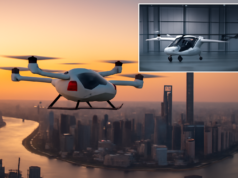
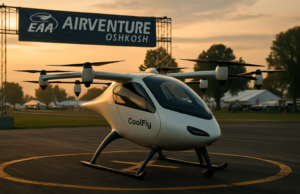
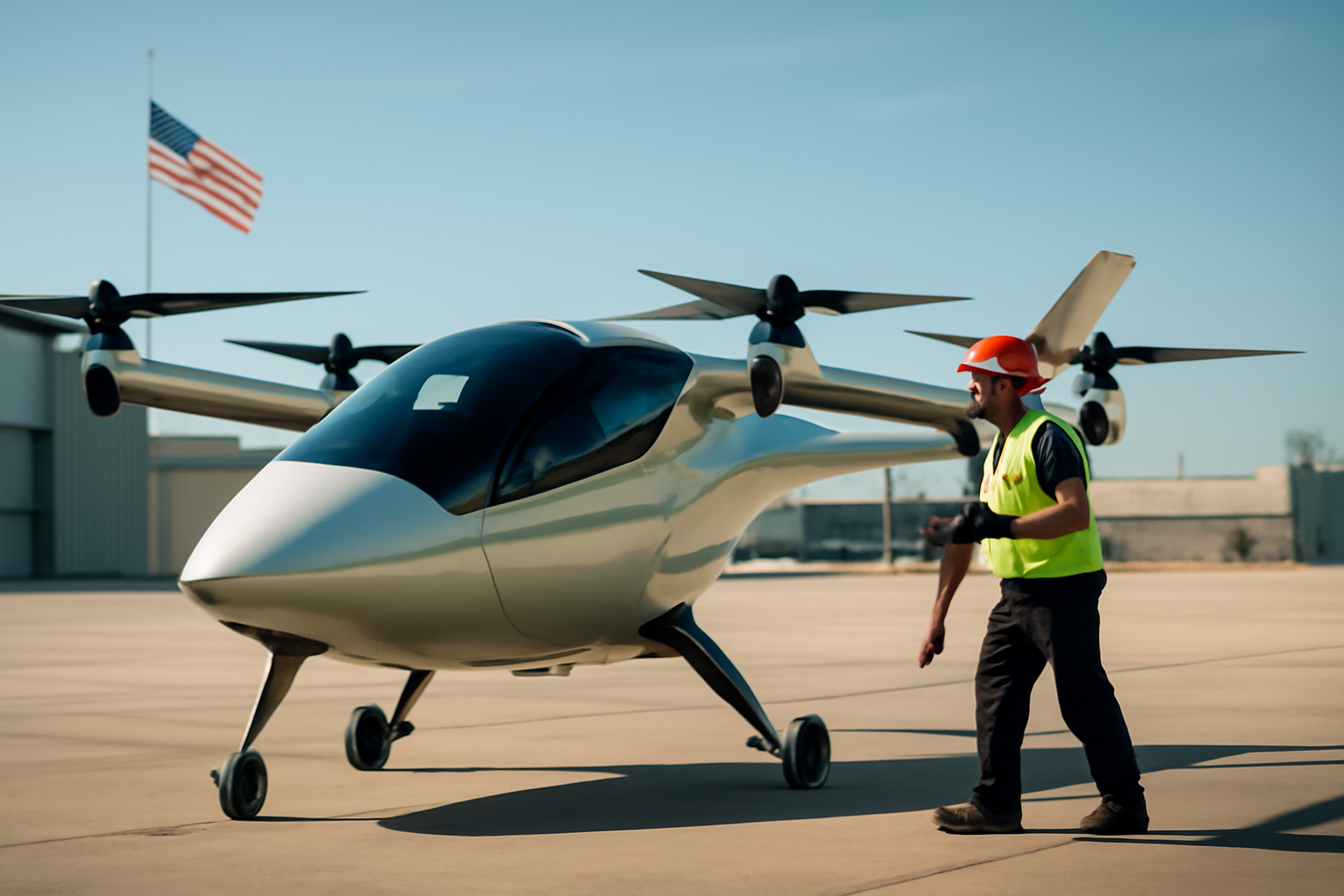
Chinese electric vertical takeoff and landing (eVTOL) manufacturer Yivtol has achieved a landmark milestone by completing its first ultralight eVTOL deliveries to customers in the United States. This momentous accomplishment represents a significant turning point in the global personal air mobility market, signaling that international manufacturers are rapidly establishing their presence in one of the world’s most strategically important aviation markets. The successful deliveries demonstrate that Chinese eVTOL developers have successfully navigated the complex regulatory landscape and consumer expectations necessary to compete effectively in the American marketplace.
Yivtol’s Market Entry Strategy and Significance
Yivtol’s decision to enter the US market with ultralight eVTOL aircraft represents a carefully calibrated strategic approach. Rather than attempting to compete directly in the crowded air taxi and passenger transport segments that have attracted most investor attention, the company has identified the ultralight category as an opportunity to establish market presence, build brand recognition, and generate operational experience. This strategy aligns with broader industry trends where manufacturers recognize that the path to widespread eVTOL adoption may run through specialized applications rather than mass-market passenger services.
The ultralight classification carries particular significance for eVTOL manufacturers seeking rapid market penetration. In the United States, ultralight aircraft operate under less restrictive regulatory frameworks than heavier craft, enabling faster certification timelines and lower operational costs. This regulatory advantage has proven attractive to emerging manufacturers who view the ultralight segment as a beachhead for establishing manufacturing partnerships, distribution networks, and customer relationships that can be leveraged as they develop more sophisticated aircraft models.
Yivtol’s successful delivery of its first ultralight eVTOL units also signals confidence from early American adopters in Chinese aerospace technology. While geopolitical tensions between the US and China have created barriers in certain defense and strategic sectors, the commercial eVTOL market remains more open to international competition. These early deliveries suggest that quality, performance, and competitive pricing can overcome traditional preferences for domestic manufacturers when customers evaluate personal air mobility solutions.
Technical Capabilities and Ultralight eVTOL Design Advantages
Ultralight eVTOL aircraft like those produced by Yivtol offer distinct technical advantages that make them attractive platforms for initial market commercialization. These aircraft typically accommodate one to two occupants, incorporate simplified flight control systems, and utilize battery propulsion systems that provide sufficient range and endurance for point-to-point regional transportation and specialized applications. The reduced weight and complexity compared to larger eVTOL designs translate into lower manufacturing costs, improved energy efficiency, and simpler maintenance requirements that appeal to cost-conscious operators.
Yivtol’s ultralight eVTOL designs incorporate electric propulsion systems optimized for efficiency and reliability. By focusing on ultralight aircraft, the company can leverage battery technology at power levels where performance is proven and cell-level redundancy is achievable. The vertical takeoff and landing capability eliminates dependency on prepared runways, enabling operations from helipads, vertiports, and cleared areas that would be unavailable to conventional aircraft. This operational flexibility expands potential use cases beyond traditional air taxi services to include emergency medical evacuation, remote area access, and specialized logistics applications.
The ultralight category also provides manufacturers with opportunities to validate flight control algorithms, autonomous systems integration, and safety protocols using aircraft that operate in less constrained airspace and with less stringent regulatory oversight than larger passenger-carrying eVTOLs. Early operational experience with ultralight aircraft provides invaluable data streams that manufacturers can incorporate into development of next-generation products targeting higher-capacity segments.
Regulatory Pathways and Certification Accomplishments
Successfully delivering eVTOL aircraft into the US market requires navigating a complex regulatory ecosystem that includes Federal Aviation Administration (FAA) aircraft certification, pilot licensing requirements, and operational approval frameworks. Yivtol’s completion of first deliveries indicates that the company has successfully satisfied FAA requirements for aircraft design, manufacturing quality, and operational safety. This represents a substantial achievement, as many eVTOL manufacturers have encountered unexpected regulatory challenges that extended development timelines and increased costs.
The FAA’s approach to certifying novel aircraft designs emphasizes demonstrated performance and safety rather than prescriptive design requirements. For ultralight aircraft, regulatory scrutiny tends to be less intensive than for larger passenger-carrying systems, enabling manufacturers to complete certification processes in accelerated timeframes. However, even ultralight certification demands rigorous testing, documentation, and demonstration of safety protocols. Yivtol’s regulatory success reflects both technological competence and effective engagement with FAA certification specialists.
The precedent established by Yivtol’s US market entry may influence FAA approaches to certifying subsequent Chinese eVTOL manufacturers and international competitors. Successful regulatory pathways demonstrated by first-movers reduce uncertainty for subsequent entrants and can accelerate market expansion. Additionally, Yivtol’s certification achievements may strengthen the company’s position in international markets beyond the US, as regulators in other jurisdictions often reference FAA decisions when evaluating novel aircraft designs.
Competitive Dynamics and Global Market Implications
The arrival of Yivtol’s ultralight eVTOL aircraft in the US market underscores accelerating globalization of the personal air mobility industry. While American companies including Joby Aviation, Archer Aviation, and others have attracted the largest venture capital investments, international manufacturers including those based in China, Europe, and other regions are pursuing aggressive market entry strategies. Competition from well-capitalized Chinese manufacturers may pressure American eVTOL developers to accelerate product development, demonstrate near-term revenue generation, and differentiate offerings through superior performance or application focus.
Yivtol’s market entry also reflects broader competitive dynamics within China’s advanced manufacturing ecosystem. The company benefits from access to world-class supply chains, manufacturing expertise, and government support policies that prioritize development of advanced transportation technologies. Chinese manufacturers have demonstrated competitive advantages in rapid prototyping, cost-effective manufacturing scaling, and responsive adaptation to customer requirements. These capabilities may enable Yivtol to achieve favorable unit economics and support customer acquisition faster than competitors operating with higher cost structures.
The presence of international competitors in the ultralight eVTOL market may ultimately benefit the broader personal air mobility ecosystem by accelerating technology maturation, expanding customer choice, and driving down costs. Competition encourages innovation, supports development of specialized applications, and builds market confidence in eVTOL technology through multiple independent demonstrations of safety and reliability. As more manufacturers achieve successful US market entry, the sector transitions from speculative investment phase toward genuine commercialization.
Future Market Development and Application Potential
Yivtol’s successful US market entry positions the company to expand ultralight eVTOL deliveries and establish the operational foundation for developing larger aircraft models. Early customer feedback and operational performance data will inform product refinements, market positioning, and development priorities for next-generation designs. The company’s US presence also enables engagement with American venture capital networks, potential partnerships with aerospace suppliers, and access to specialized testing and certification resources that support development of advanced aircraft.
Ultralight eVTOL aircraft like Yivtol’s products will likely find strongest near-term applications in specialized markets including emergency medical services, remote area supply delivery, scientific research support, and recreational use. These applications require aircraft that can operate efficiently in diverse conditions, access unprepared landing areas, and provide superior performance compared to traditional helicopter or fixed-wing alternatives. As operational experience accumulates and regulatory frameworks mature, expanded applications will emerge in urban air mobility, infrastructure inspection, and agricultural services.
Yivtol’s achievements may also accelerate similar market entry efforts by other Chinese and international eVTOL manufacturers. If Yivtol successfully establishes customer relationships, demonstrates reliable operations, and achieves profitability or near-term path to profitability, competitive pressure will intensify. Other manufacturers will prioritize regulatory certification, supply chain establishment, and customer acquisition to capture market share before the ultralight eVTOL category becomes saturated with competitive offerings.
Key Takeaways for the eVTOL Market
- Yivtol’s first US deliveries mark the beginning of significant international competition in the personal air mobility market, with implications for market structure and manufacturer competitive positioning
- Ultralight eVTOL classification provides manufacturers with regulatory advantages and operational flexibility that support rapid market entry and specialized application development
- Chinese manufacturer success in US markets demonstrates quality and performance parity with domestic competitors, potentially shifting investor confidence and customer acquisition strategies
Yivtol’s historic first ultralight eVTOL deliveries to US customers represent a watershed moment in the development of personal air mobility as a global commercial industry. The company’s successful market entry demonstrates that international manufacturers can navigate American regulatory frameworks, compete effectively with domestic producers, and establish customer relationships in this emerging market. As Yivtol scales delivery volumes and develops customer references, the company will accelerate broader market awareness and adoption of eVTOL technology. The ultralight segment, rather than crowded air taxi markets, has proven to be the most viable near-term commercialization pathway for multiple manufacturers, suggesting that genuine, revenue-generating eVTOL operations will emerge from specialized applications before mass-market urban air mobility becomes reality. For investors, customers, and regulators monitoring eVTOL development, Yivtol’s achievements signal that personal air mobility is transitioning from technology demonstration phase toward genuine market commercialization, driven by manufacturers willing to pursue pragmatic near-term applications while developing longer-term visions of transformed transportation systems.