HIGHLIGHTS
- Joby Aviation inaugurates a 45,000-square-foot operational hub in Texas, significantly expanding commercial eVTOL infrastructure across the United States.
- The facility represents a critical step toward scaling production, maintenance, and piloting operations for Joby’s advanced electric vertical takeoff and landing aircraft.
- Texas’s strategic location and business-friendly environment position it as a key hub for the emerging eVTOL industry and urban air mobility ecosystem.
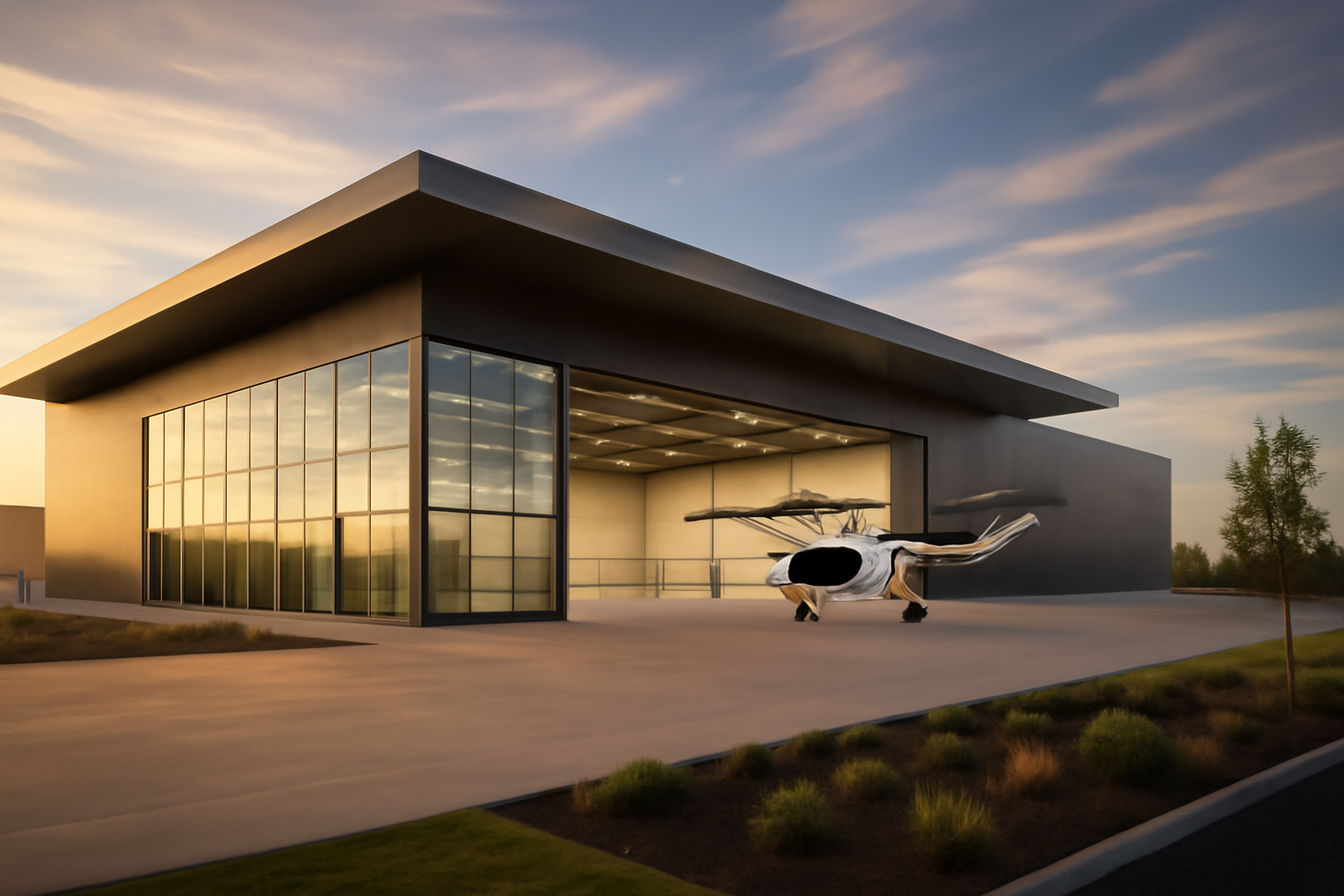
Joby Aviation, one of the most advanced players in the electric vertical takeoff and landing (eVTOL) industry, has announced the opening of a substantial 45,000-square-foot operational facility in Texas. This milestone represents far more than a simple expansion—it signals the company’s serious commitment to scaling commercial operations, manufacturing, and maintenance capabilities as the eVTOL ecosystem approaches mainstream deployment. The facility underscores how rapidly the personal air mobility sector is transitioning from concept and prototype phases into real-world infrastructure development and commercial readiness.
Strategic Infrastructure for Commercial eVTOL Operations
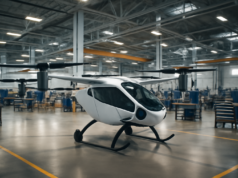
The Texas facility serves as a critical operational hub designed to support Joby’s mission of introducing safe, quiet, and clean electric aircraft to commercial transportation routes. This 45,000-square-foot space encompasses multiple operational functions, from aircraft maintenance and testing to pilot training and flight operations coordination. Unlike research-focused facilities, this infrastructure is purpose-built for commercial-scale activities, demonstrating that eVTOL companies are moving beyond laboratory environments into production-ready ecosystems.
Texas was strategically selected for several compelling reasons. The state’s business-friendly regulatory environment, combined with its strong aerospace heritage and existing aviation infrastructure, makes it an ideal location for pioneering eVTOL operations. Additionally, Texas offers abundant airspace for testing, skilled workforce availability from its established aerospace sector, and proximity to major metropolitan areas that will eventually benefit from air taxi services. Joby’s decision to invest substantially in Texas reflects confidence in both the state’s support for innovation and the long-term viability of commercial eVTOL services.
The facility’s scale—45,000 square feet—is significant enough to accommodate multiple aircraft simultaneously, enabling the company to conduct thorough maintenance protocols, perform safety inspections, and train pilots at volumes consistent with commercial operations. This represents a substantial leap from smaller development facilities and signals that Joby is preparing for a future where multiple aircraft are operational across various routes and demand profiles.
Pilot Training and Operational Readiness
One of the critical functions of this new facility is pilot training and certification. As eVTOL technology advances toward FAA approval and eventual commercial deployment, establishing dedicated training infrastructure becomes essential. Joby’s Texas facility can support comprehensive pilot training programs, ensuring that operators are thoroughly prepared for the unique demands of flying electric vertical takeoff and landing aircraft. This includes simulator training, emergency procedures, and aircraft-specific systems knowledge.
The emphasis on pilot readiness cannot be overstated. Unlike traditional helicopter operators, eVTOL pilots will need specialized training tailored to electric propulsion systems, urban airspace operations, and advanced automation features. By investing in dedicated training infrastructure now, Joby positions itself to onboard qualified pilots quickly once regulatory approvals clear the path for commercial service. This proactive approach reduces potential bottlenecks that could otherwise delay market entry and revenue generation.
Furthermore, the facility enables Joby to standardize training protocols across its growing organization. Consistent, high-quality training ensures that safety standards remain elevated regardless of which facility or region pilots are trained in. This standardization becomes increasingly important as the company scales operations and plans for multiple deployment locations across the United States and eventually internationally.
Manufacturing, Maintenance, and Supply Chain Excellence
The 45,000-square-foot Texas facility incorporates dedicated spaces for aircraft maintenance, component testing, and supply chain logistics. Maintaining a large fleet of eVTOL aircraft requires sophisticated maintenance capabilities, including predictive maintenance systems, parts inventory management, and rapid turnaround protocols to minimize downtime. Joby’s investment in dedicated maintenance infrastructure ensures that aircraft can be serviced efficiently and kept in optimal operational condition.
Supply chain management for eVTOL operations is fundamentally different from traditional aviation. Electric propulsion systems, advanced battery technology, lightweight composite materials, and sophisticated flight control systems all require specialized handling and logistics. The Texas facility can serve as a central hub for receiving, inspecting, and distributing these critical components, ensuring that aircraft across Joby’s operations remain supplied and maintained to the highest standards.
Manufacturing capabilities within the facility extend beyond simple assembly to include quality control testing, performance validation, and systems integration. Each aircraft that emerges from operational status must meet rigorous safety and performance standards before entering commercial service. The facility’s infrastructure allows Joby to conduct thorough inspections and testing in-house, reducing dependencies on external suppliers and maintaining tighter control over quality metrics.
Market Positioning and Competitive Advantage
Joby’s investment in substantial infrastructure gives the company significant competitive advantages as the eVTOL market develops. Competitors still operating out of smaller facilities or relying heavily on external partners face greater challenges scaling operations quickly. By establishing large-scale, purpose-built infrastructure now, Joby positions itself as an industry leader prepared for rapid commercialization and fleet expansion.
The Texas facility also enhances Joby’s attractiveness to potential partners, investors, and regulators. Airlines, airport operators, and venture capital firms evaluating eVTOL companies look for signs of serious, mature operations. Large-scale infrastructure demonstrates commitment beyond marketing hype—it shows a company willing to make substantial capital investments in preparation for commercial reality. This tangible commitment can accelerate partnership discussions, regulatory approvals, and access to additional funding.
From a competitive standpoint, establishing operational hubs in strategic U.S. locations creates a first-mover advantage in market deployment. If Joby can launch commercial services before competitors have comparable infrastructure ready, the company gains critical market share, brand recognition, and operational experience that translates into further competitive advantages. The Texas facility is a calculated move to ensure Joby reaches that milestone first.
The Broader eVTOL Ecosystem and Urban Air Mobility Future
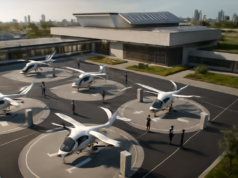
Joby’s facility opening reflects the maturation of the broader eVTOL ecosystem. Five years ago, most eVTOL companies existed primarily in development and prototype phases. Today, we’re witnessing the industry transition into infrastructure development, regulatory engagement, and operational preparation. This shift represents genuine progress toward the urban air mobility revolution that industry analysts have long predicted.
The success of eVTOL commercialization depends not only on aircraft technology but also on supporting infrastructure—facilities like Joby’s Texas hub. Passengers will only adopt air taxi services if they perceive them as safe, reliable, and convenient. That perception develops when operators demonstrate mature, professional capabilities through dedicated facilities, trained personnel, and rigorous maintenance standards. Joby’s investment in infrastructure directly contributes to building consumer confidence in eVTOL services.
Looking ahead, we can expect other major eVTOL companies to announce similar infrastructure investments. This wave of facility development across the industry will gradually build the operational backbone necessary for widespread commercial deployment. Cities and regions competing to attract eVTOL operations will increasingly value companies that demonstrate serious infrastructure commitments over those making vague promises about future capabilities.
Key Takeaways: Infrastructure Driving Industry Maturation
- Joby’s 45,000-square-foot Texas facility represents a major step from prototype development toward commercial-scale operations and infrastructure readiness.
- The facility enables comprehensive pilot training, aircraft maintenance, supply chain management, and quality control—essential capabilities for reliable commercial eVTOL services.
- Strategic infrastructure investments like this one provide competitive advantages, demonstrate operational maturity to regulators and partners, and accelerate the timeline toward profitable commercial deployment.
The opening of Joby Aviation’s 45,000-square-foot Texas facility marks a pivotal moment in eVTOL history. This is no longer an industry purely defined by prototype flights, regulatory petitions, and investor presentations. Real infrastructure is now being built, real pilots are being trained, and real aircraft are being maintained at scale. For urban air mobility enthusiasts and industry observers, Joby’s facility expansion serves as a tangible indicator that the eVTOL revolution is transitioning from “coming soon” to “coming now.” As other companies follow suit with similar infrastructure investments, the ecosystem will mature rapidly, regulatory pathways will clarify, and commercial services will begin delivering on the long-promised personal air mobility future.