HIGHLIGHTS
- Six cats successfully airlifted 6 miles to safety in a cage suspended beneath a Ukrainian military bomber drone, showcasing creative wartime adaptation of aircraft for humanitarian rescue.
- Military drones in Ukraine are increasingly repurposed for civilian applications beyond combat, including supply delivery, medical transport, and now animal evacuation from conflict zones.
- This mission provides valuable operational data on aerial animal transport protocols and demonstrates the broader potential of cargo drones for humanitarian disaster relief globally.
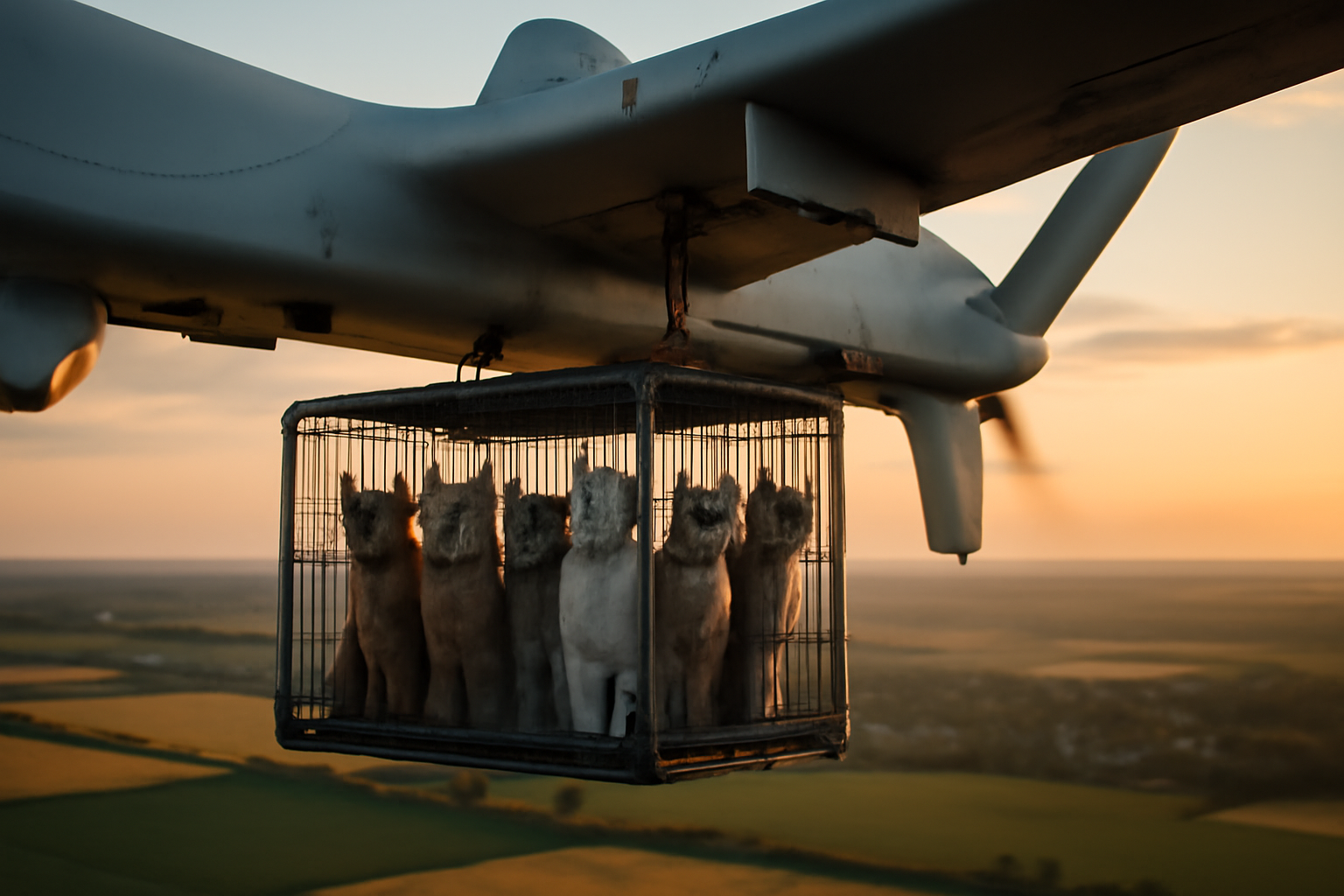
In a heartwarming story emerging from Ukraine, six cats recently completed an extraordinary 6-mile journey suspended beneath a modified bomber drone, marking an unusual but inspiring example of how military aircraft are being repurposed for humanitarian and animal rescue missions during wartime. This unconventional airlift demonstrates the ingenuity and compassion of those seeking to protect vulnerable lives amid ongoing conflict, while also highlighting the adaptability of aerial platforms in crisis situations.
The Unexpected Cat Evacuation: How It Unfolded
Ukrainian rescue teams discovered that aerial transport could provide a faster, safer alternative to ground-based evacuation routes that are often compromised by active conflict zones. With roads becoming increasingly dangerous and traditional transportation methods unreliable, volunteers turned to an available resource: a modified bomber drone capable of carrying external loads. The six cats were carefully secured in a specially designed cage that could be attached to the underside of the aircraft, transforming a military platform into a lifeline for stranded animals.
The decision to use a drone for this mission reflected both practical necessity and creative problem-solving. Drones offered several advantages over conventional ground transport: they could bypass blocked roads, operate in areas where vehicles couldn’t safely travel, and complete the journey in a fraction of the time it would take by other means. The operators meticulously planned the flight path to ensure the animals’ safety, maintaining stable altitude and speed throughout the six-mile distance to their destination sanctuary.
This rescue operation was completed with apparent success, with all six cats safely delivered to their intended location. The story has since resonated globally, capturing public attention and demonstrating that even in the darkest circumstances, there are moments of compassion and innovative thinking that bring hope and positive outcomes.
Military Drones Reimagined for Humanitarian Purposes
The use of bomber drones for civilian rescue work represents a significant shift in how military hardware is being deployed during the Ukrainian conflict. Rather than weapons delivery, these aircraft are being converted to transport food, medicine, and other critical supplies—and now, rescued animals—to areas cut off from traditional supply lines. This repurposing reflects the urgent humanitarian challenges facing the nation and the creative adaptations required to address them.
Drone technology has proven invaluable across multiple humanitarian applications in conflict zones. Beyond animal rescue, operators have used similar platforms to deliver medical supplies to isolated villages, transport emergency aid packages to civilians, and conduct damage assessments in areas too dangerous for ground teams. The versatility of drone platforms, once designed purely for military engagement, now extends into rescue, relief, and life-saving operations that directly benefit non-combatants.
The cat evacuation mission also underscores an important ethical dimension of wartime technology use: the presence of aircraft capable of precision operations and careful cargo handling enables responders to prioritize all lives, not just human ones. Animal welfare organizations have increasingly recognized that caring for displaced animals during conflicts reduces disease risk, prevents starvation, and preserves the bonds between people and their pets—elements of psychological and social resilience amid trauma.
The Role of Innovation in Crisis Response
Wartime emergencies often accelerate technological innovation by forcing operators to think beyond conventional applications. The Ukraine conflict has accelerated countless adaptations: commercial drones modified for surveillance and logistics, engineering teams designing makeshift protective equipment, and organizations repurposing existing platforms for tasks they were never originally intended to perform. The cat airlift is a prime example of this rapid-response creativity.
The success of this mission required coordination between military operators, animal rescue volunteers, and logistical planners to ensure the cage was properly secured, the flight path was optimized, and the landing zone was prepared. This level of inter-organizational collaboration demonstrates how crises can break down silos between different sectors and create opportunities for groups that might not otherwise work together to achieve humanitarian goals. The technical knowledge required to safely operate military aircraft was put in service of animal welfare—a powerful symbol of human priorities shifting amid conflict.
Such innovations also provide valuable data for drone operators and designers. The successful completion of a 6-mile journey carrying delicate cargo—live animals requiring protection from wind, cold, and stress—contributes to the growing body of knowledge about drone payload capacity, aerodynamics under load, and animal welfare protocols during aerial transport. This information may inform future rescue operations and broader development of cargo drone systems for humanitarian use worldwide.
Broader Implications for Personal Air Mobility and Drone Technology
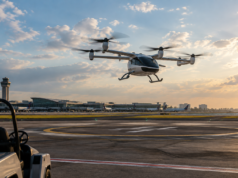
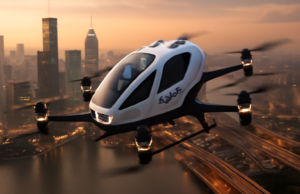
While this story might seem like a remarkable one-off incident, it reflects larger trends in how unmanned aerial systems are being integrated into daily life and crisis response frameworks. As drone technology matures and becomes more sophisticated, operators are finding new ways to leverage payload capacity, precision control, and operational flexibility to solve real-world problems. The Ukrainian cat rescue adds to a growing library of humanitarian drone applications that demonstrate the technology’s potential beyond commercial delivery and surveillance.
The incident also raises important questions about animal welfare standards during aerial transport and the protocols necessary to protect living cargo during flights. Organizations working with drones for humanitarian purposes are learning hard lessons about temperature control, vibration dampening, securing techniques, and animal stress responses—knowledge that will be essential as cargo drones become more prevalent in civilian applications. The cat evacuation represents an informal but valuable test case for these considerations.
Looking forward, the success of this mission may inspire similar applications in other conflict zones and disaster areas where traditional transportation infrastructure has been compromised. Remote communities, flood-affected regions, and areas following natural disasters could benefit from repurposed aerial platforms capable of carrying living cargo to safety. The Ukrainian experience demonstrates that with proper planning and care, drone technology can extend compassion and save lives in ways that ground-based systems simply cannot replicate.
A Symbol of Resilience and Compassion Amid Conflict
Beyond the technical and logistical achievements, the story of these six cats airlifted to safety carries profound symbolic weight. In the midst of a devastating conflict, human beings still found the presence of mind and heart to rescue animals, demonstrating that compassion and kindness persist even in the darkest circumstances. The Ukrainian rescue teams who coordinated this mission prioritized the welfare of vulnerable creatures despite the enormous challenges they themselves face daily.
The global attention this story has received reflects widespread appreciation for its underlying message: that innovation and courage can create moments of hope and connection even during times of profound struggle. For supporters of Ukraine, the story serves as a reminder of the resilience and resourcefulness of the Ukrainian people. For drone enthusiasts and humanitarian technologists, it represents a powerful validation of their belief that unmanned systems can be powerful tools for good when deployed with creativity and compassion.
The six cats now safely removed from danger represent countless other rescue missions, both successful and ongoing, that remain largely unknown. This particular story gained public attention, but it is one of many acts of civilian assistance and cross-sector collaboration happening throughout Ukraine as people work together to preserve life—human and animal alike—amid ongoing conflict.
Key Takeaways from Ukraine’s Innovative Drone Rescue
- Six cats were successfully evacuated 6 miles via a specially adapted bomber drone in Ukraine, demonstrating creative repurposing of military aircraft for humanitarian animal rescue during conflict.
- This mission highlights broader trends of wartime innovation, where operators and organizations rapidly adapt drone technology beyond original designs to address pressing civilian and animal welfare needs.
- The successful aerial animal transport adds valuable operational data to humanitarian drone protocols, potentially informing future cargo drone applications in disaster relief and remote area rescue operations worldwide.
The story of Ukraine’s six-cat drone rescue stands as a testament to human ingenuity, compassion, and the remarkable capacity of emerging technologies to serve humanitarian purposes when deployed thoughtfully. As drone technology continues to evolve and mature, such innovative applications remind us that the true measure of technological progress lies not in what systems can do, but in how they can be leveraged to protect and preserve life in its most vulnerable moments.