HIGHLIGHTS
- Beta Technologies moves MV250 eVTOL development beyond single-demonstrator stage with multiple prototypes in concurrent assembly, accelerating path to certification
- Parallel prototype construction validates manufacturing processes, enables simultaneous systems testing, and reduces overall program risk and development timelines
- Beta’s visible hardware progress differentiates the company as a credible eVTOL contender amid market consolidation and positions MV250 for imminent regulatory and commercial milestones
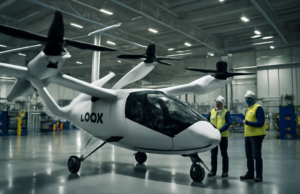
Beta Technologies continues to advance its MV250 electric vertical takeoff and landing (eVTOL) aircraft program with significant momentum, as multiple prototypes move through assembly phases. The progression marks a critical juncture for the Vermont-based company’s ambitions in the emerging personal air mobility sector, demonstrating tangible progress toward proving the viability of electric aviation at scale.
Beta’s MV250 Program Reaches New Milestones
Beta Technologies has consistently positioned itself as a serious contender in the eVTOL market through methodical development and strategic focus on cargo and passenger transportation. The MV250, the company’s flagship aircraft design, represents years of engineering refinement aimed at delivering a practical, efficient electric aircraft capable of real-world missions. With multiple prototypes now in active construction, Beta is demonstrating that design maturity has transitioned into production reality.
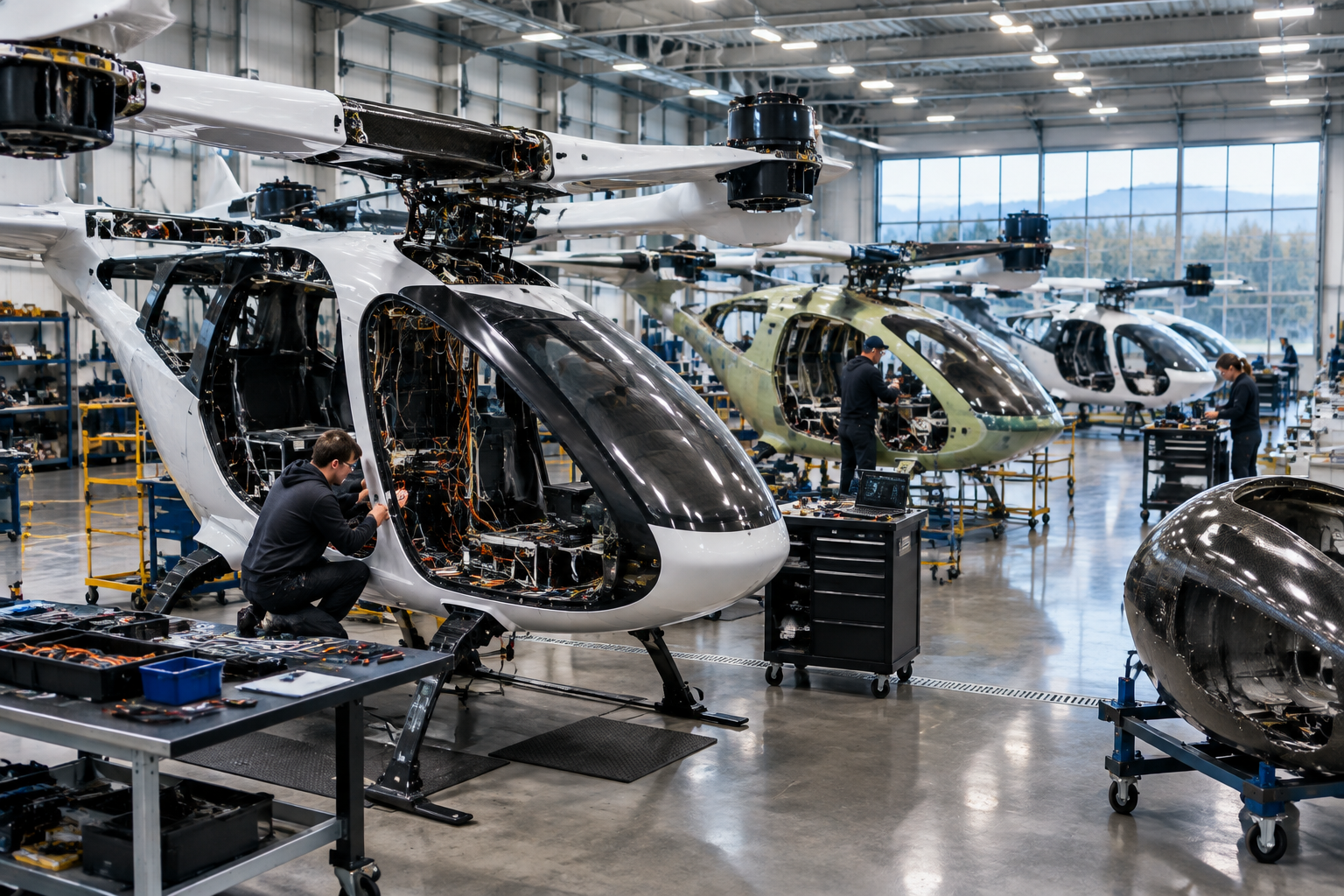
The concurrent assembly of several prototypes reflects industry best practices for vehicle development, allowing Beta to simultaneously test different systems, validate manufacturing processes, and accelerate the path to certification. This parallel development approach reduces overall program risk and provides flexibility to implement design improvements across multiple aircraft simultaneously. The move underscores Beta’s confidence in the MV250’s technical foundation and commercial viability.
FlightGlobal’s reporting of these developments comes at a time when investor confidence in eVTOL companies remains highly scrutinized. Beta’s visible progress with hardware and tangible prototypes offers the market concrete evidence of engineering execution, distinguishing the company from competitors relying primarily on computer simulations or early-stage designs.
Prototype Assembly and Manufacturing Readiness
The assembly of multiple MV250 prototypes simultaneously signals that Beta has resolved critical design validation issues and moved beyond the single-demonstrator phase that many eVTOL programs remain stuck in. This transition indicates the company has likely conducted extensive ground testing, structural analysis, and preliminary flight validation with earlier developmental aircraft. The expansion to multiple build units suggests confidence in design stability and readiness for sustained production ramp-up.
Manufacturing readiness is a key differentiator in the competitive eVTOL landscape. While dozens of companies have announced ambitious designs and timelines, fewer have achieved the organizational maturity required to produce multiple aircraft reliably and efficiently. Beta’s demonstrated ability to simultaneously manage multiple prototype builds indicates that internal processes, supply chain relationships, and quality control systems are maturing to support this increased production tempo.
The technical complexity of eVTOL manufacturing—combining battery systems, electric propulsion, advanced materials, and sophisticated avionics—creates substantial challenges that separate successful programs from those that stall. Beta’s progression through these prototypes suggests the company has solved or adequately mitigated many of these challenges, at least to the degree necessary for near-term flight testing and certification activities.
Path to Certification and Commercial Operations
Multiple prototypes enable Beta to address the demanding requirements of regulatory agencies like the Federal Aviation Administration (FAA) and European Union Aviation Safety Agency (EASA). These prototypes will support type certification testing, including extended flight tests, failure mode analysis, and emergency procedures validation. Having several aircraft available accelerates this process by allowing parallel testing of different systems and configurations, reducing certification timelines significantly.
The MV250’s design specifications—whether optimized for cargo delivery, medical transport, or passenger operations—will determine the regulatory pathway and applicable certification basis. Beta’s clear focus on delivering an aircraft with practical utility suggests the company is pursuing applications with near-term market demand and regulatory clarity. This strategic approach contrasts with some competitors pursuing longer-term, higher-risk passenger mobility visions.
Commercial operations depend critically on achieving certified aircraft with proven reliability in realistic operating conditions. Beta’s prototype progression directly supports this objective by providing the flight hours, data, and operational experience necessary to demonstrate safety and establish operational procedures. The company’s transparency in reporting this progress builds stakeholder confidence in the MV250’s development trajectory.
Competitive Position in the eVTOL Sector
Beta Technologies enters the late 2026 development cycle amid an increasingly competitive eVTOL market where technical execution and delivery speed determine survival. The company’s visible prototype progress positions it favorably relative to competitors still in early-stage design or those facing funding constraints that delay hardware development. Having multiple aircraft in assembly demonstrates commitment and capability that resonates with potential customers, investors, and regulatory partners.
The eVTOL sector has experienced significant consolidation, with several programs suspending operations or substantially reducing scope due to technical or financial challenges. Companies demonstrating tangible progress with multiple prototypes stand out as more credible contenders for long-term success. Beta’s advancement sends a market signal that the company possesses the technical foundation, manufacturing capability, and financial resources to reach commercial operations.
Competitive differentiation in eVTOL increasingly depends on achieving certification first-mover advantages, establishing relationships with early-adopter customers, and developing operational expertise in the new domain. Beta’s prototype program supports all three of these competitive imperatives by advancing the technical readiness necessary for certification while simultaneously building organizational knowledge about electric aircraft operation and maintenance.
Key Takeaways from Beta’s MV250 Progress
- Beta Technologies has multiple MV250 eVTOL prototypes in concurrent assembly, advancing from single-demonstrator development to production-readiness phase
- Parallel prototype construction enables accelerated regulatory certification testing and reduces overall program risk while validating manufacturing processes
- The MV250’s hardware progress differentiates Beta as a credible competitor in the competitive eVTOL sector and signals readiness for commercial operations
Beta Technologies’ MV250 eVTOL program exemplifies the maturation occurring within the personal air mobility sector. As multiple prototypes move through assembly, the company demonstrates the engineering discipline, manufacturing capability, and financial commitment required to transition eVTOL from concept to operational reality. For industry observers, investors, and potential customers, Beta’s visible progress with hardware represents genuine advancement in electric aviation—a tangible step toward the commercially viable air mobility future that many companies promise but few actually deliver. The coming months and years will reveal whether this technical progress translates into successful certification and market adoption, but the MV250 has clearly moved beyond early-stage development into the more demanding execution phase.