HIGHLIGHTS
- ARIDGE’s Land Aircraft is the first functional flying car deployed in a major city, proving dual-mode aerial-and-ground mobility is now commercially viable.
- Chengdu’s market debut reflects China’s regulatory speed and infrastructure readiness—shifting the aerospace industry’s development center eastward faster than predicted.
- Established automakers and aerospace giants now face credibility pressure to accelerate their own flying car timelines or lose competitive positioning to new entrants.
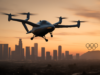
When ARIDGE unveiled its revolutionary Land Aircraft in Chengdu, few expected the aerospace industry to deliver a practical flying car so soon. The announcement caught both investors and mobility enthusiasts off guard, marking a watershed moment for personal air mobility. What started as a moonshot concept has now materialized into a tangible vehicle that bridges the gap between traditional automobiles and aerial transport. This development signals that the future of urban mobility is closer than anyone anticipated.
ARIDGE’s Vision: Redefining Personal Transport
ARIDGE has positioned itself as a pioneer at the intersection of automotive and aerospace engineering. The company’s approach differs fundamentally from competitors who view flying vehicles as either aircraft that land or cars that fly. Instead, ARIDGE’s Land Aircraft philosophy treats both capabilities as equally essential, creating a seamless transition between ground and aerial navigation. This dual-focus design philosophy addresses real-world urban mobility challenges that single-mode vehicles cannot solve.
The company’s choice to launch in Chengdu reflects strategic thinking about market readiness and regulatory environment. Chengdu, as a major metropolitan hub in western China, offers both the infrastructure density and regulatory flexibility needed for such an unconventional vehicle. ARIDGE recognized that Chinese cities are moving faster than Western counterparts in adopting innovative transportation solutions, making Chengdu an ideal proving ground for this technology.
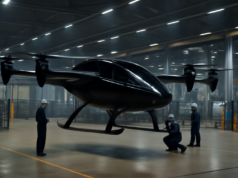
ARIDGE’s engineering team spent years perfecting the mechanics of switching between land and air modes. The propulsion systems, structural design, and flight control software all required innovations that traditional automotive manufacturers lack. By combining expertise from both industries, ARIDGE created something genuinely novel—not a compromise between two technologies, but a synthesis that maximizes utility for urban travelers.
Technical Specifications and Performance
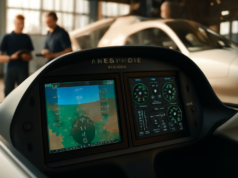
The Land Aircraft incorporates cutting-edge battery technology optimized for dual-mode operation. The vehicle requires enough energy capacity to power both electric propulsion systems while maintaining reasonable weight for flight capabilities. ARIDGE’s engineers solved this challenge through advanced battery management systems that intelligently allocate power based on the current operating mode, whether ground or aerial.
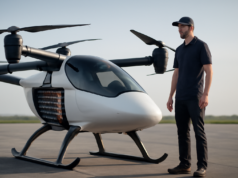
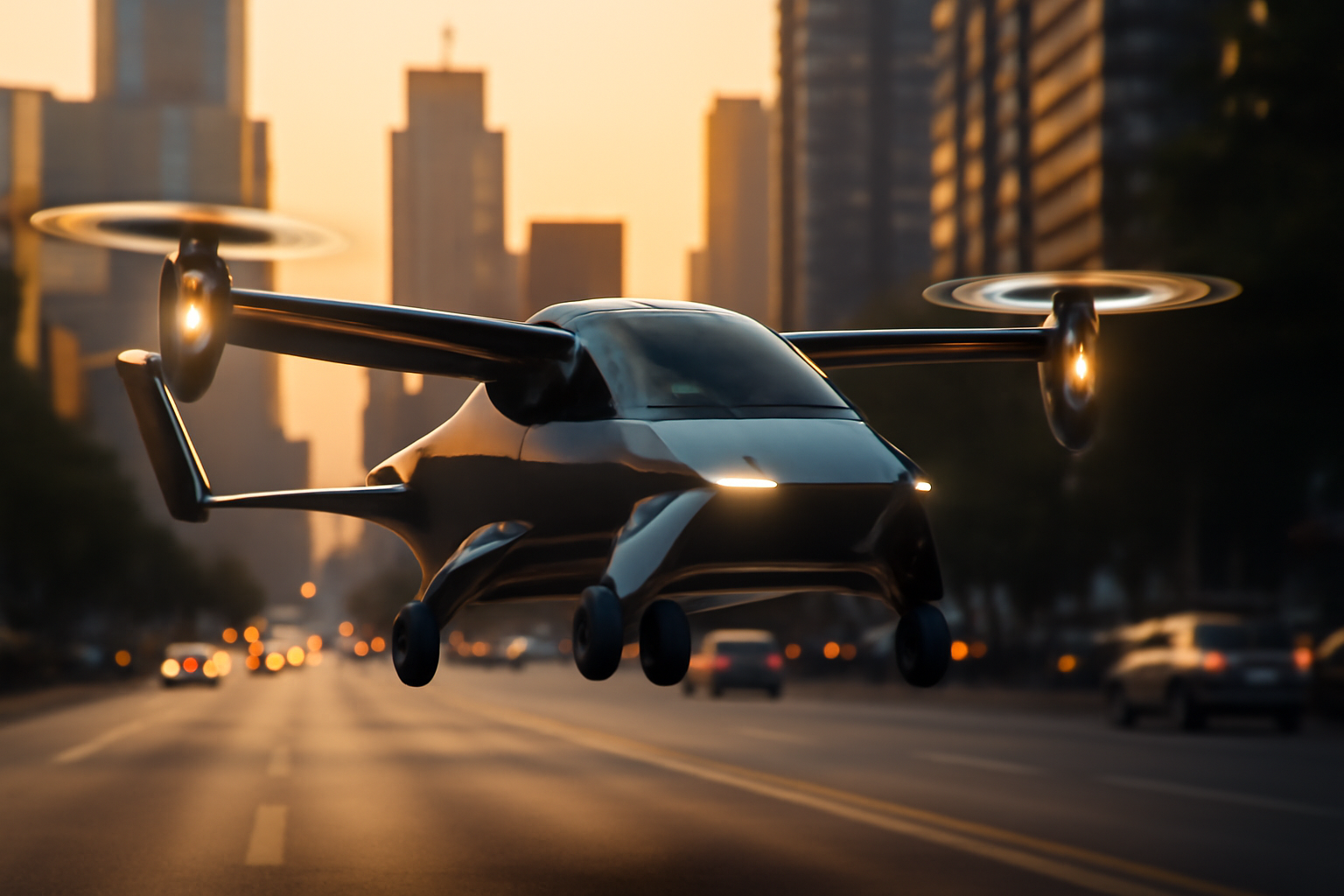
The vehicle’s structure employs lightweight composite materials throughout, reducing weight without compromising safety. The frame must handle the stresses of both highway driving and aerial maneuvers, requiring engineering solutions that exceed standards for either mode alone. Retractable wings and landing gear mechanisms fold compactly when operating on roads, eliminating the aerodynamic drag that ground-based flying cars typically experience during land transit.
Flight endurance represents a critical specification for any flying vehicle in urban environments. ARIDGE’s Land Aircraft achieves a practical range that covers most inner-city distances on a single charge, making it viable for daily commutes. The vehicle’s hover stability and automated flight assistance systems ensure that pilots without extensive aviation training can safely operate the aircraft, democratizing access to aerial mobility.
Market Impact and Industry Implications
The arrival of ARIDGE’s functional flying car validates predictions made by industry analysts who believed dual-mode vehicles would eventually dominate urban mobility. This announcement may accelerate development timelines for competing manufacturers who recognize they can no longer delay commercialization efforts. Investors who have been skeptical about flying car viability now face compelling evidence that the market is rapidly materializing.
Urban planners and city governments watching ARIDGE’s Chengdu launch are already considering regulatory frameworks for widespread adoption. The existence of a real flying car, not merely a prototype or concept vehicle, forces policymakers to move from theoretical discussions to practical governance. Chengdu’s willingness to enable ARIDGE’s operations may establish regulatory precedents that other cities will follow.
The competitive landscape shifts significantly with this launch. Established automakers and aerospace companies face a credibility challenge when a relatively new entrant like ARIDGE brings a functional product to market first. This development mirrors historical industry disruptions where unexpected competitors leapfrog over incumbents by focusing exclusively on the new category rather than maintaining legacy technology commitments.
Challenges Ahead and Future Outlook
Infrastructure requirements remain substantial despite ARIDGE’s technical achievements. Charging networks must expand significantly to support widespread adoption, requiring coordination between energy providers and municipalities. Landing facilities and take-off zones need careful planning to integrate aerial vehicles into existing urban environments safely. ARIDGE’s success depends partly on whether cities can develop this infrastructure efficiently.
Regulatory certification continues to present complex hurdles. The Land Aircraft must satisfy automotive safety standards for road operation while simultaneously meeting aviation authority requirements for flight. Each jurisdiction may interpret these dual standards differently, creating a patchwork of regional regulations that manufacturers must navigate. ARIDGE’s early success will partly depend on how smoothly certification processes proceed across different markets.
Consumer adoption rates remain uncertain despite technical viability. Flying cars command premium pricing that limits initial buyers to affluent early adopters. Manufacturing scale and cost reduction will determine whether the Land Aircraft becomes a niche luxury product or eventually achieves mass-market penetration. ARIDGE’s business model and production capacity decisions over the next 2-3 years will significantly influence this trajectory.
Key Takeaways
- ARIDGE’s Land Aircraft represents the first functional flying car deployed in a major metropolitan area, validating the dual-mode mobility concept that competitors are still developing.
- The Chengdu launch leverages China’s regulatory flexibility and infrastructure investment, positioning Asian markets ahead of Western cities in flying car adoption timelines.
- Industry incumbents now face accelerated pressure to commercialize their own aerial mobility solutions or risk losing market positioning to nimble newcomers like ARIDGE.
ARIDGE’s flying car arrival in Chengdu marks a definitive moment when personal air mobility transitions from speculative innovation to commercial reality. The technical challenges that seemed insurmountable just years ago have yielded to engineering solutions that work in practice. While substantial obstacles remain regarding infrastructure, regulation, and cost, the existence of ARIDGE’s operational Land Aircraft proves that the future of urban transportation is already here—it simply arrived in China first, not where most Western observers expected it.