HIGHLIGHTS
- US Army awards $117 million contract for 82 AeroVironment P550 eVTOL drones in historic military procurement milestone.
- AeroVironment’s P550 represents the first large-scale military adoption of electric vertical takeoff technology for tactical operations.
- Award signals military’s shift toward sustainable aviation and modernized logistics capabilities with eVTOL platforms.
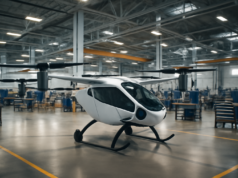
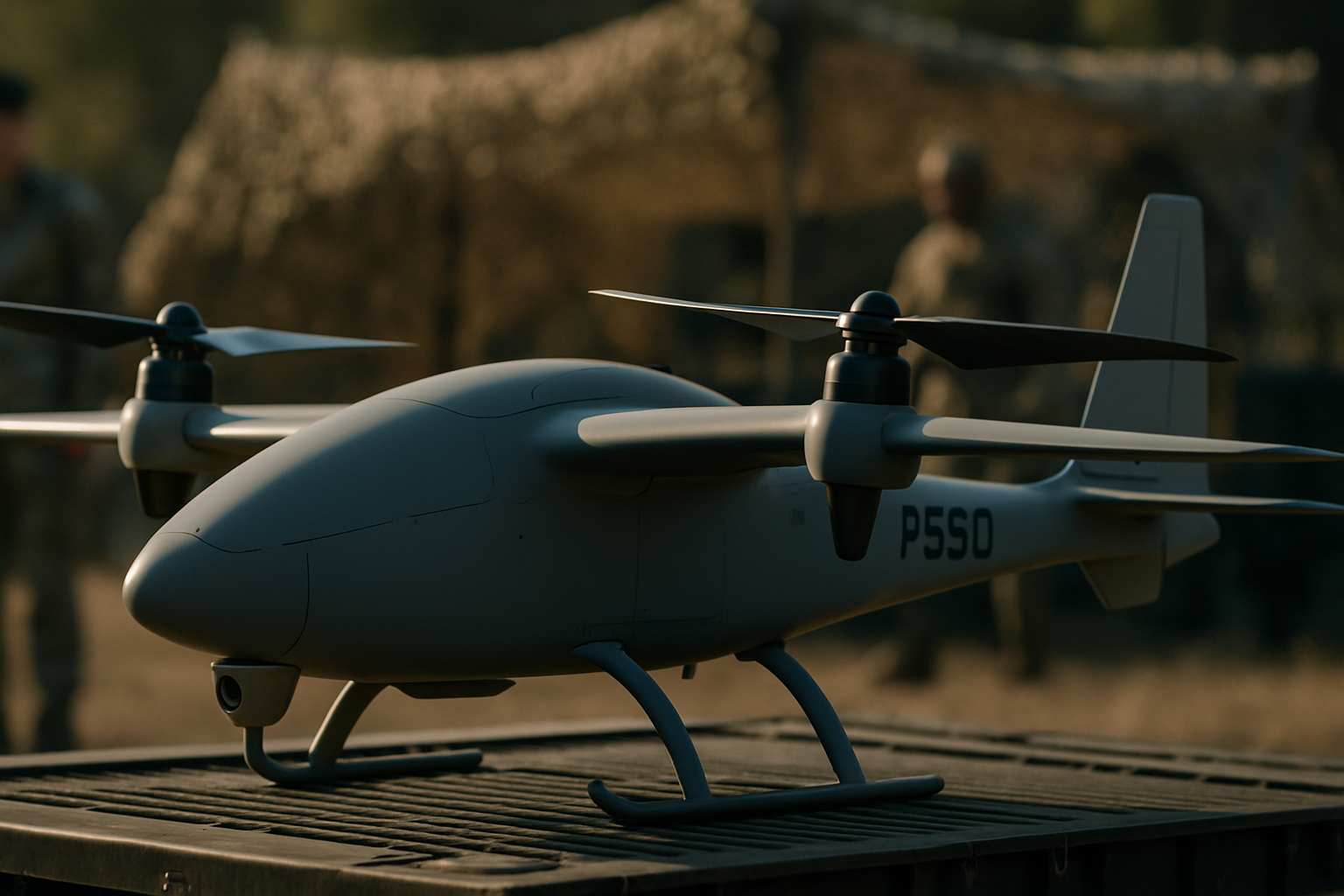
The US Army has awarded a landmark $117 million contract to AeroVironment for the procurement of 82 P550 eVTOL (electric vertical takeoff and landing) drones, marking a significant milestone in military adoption of electric aircraft technology. This substantial investment underscores the Armed Forces’ commitment to modernizing its unmanned aerial systems fleet with sustainable, efficient platforms that promise to enhance tactical capabilities and operational flexibility in diverse mission environments.
Historic Military Commitment to Electric Aviation
The $117 million Army contract represents one of the largest single military procurements of electric vertical takeoff aircraft to date, signaling a fundamental shift in how military forces approach unmanned aerial operations. AeroVironment, a leader in innovative unmanned aircraft systems, has successfully demonstrated the viability of its P550 platform for military applications, earning this substantial order that validates years of research and development in the eVTOL sector.
This contract is particularly noteworthy because it moves beyond experimental testing and proof-of-concept phases into full-scale production and operational deployment. The 82-unit order indicates the Army’s confidence in the P550’s reliability, performance specifications, and integration capabilities within existing military command and control systems. Such confidence from a major military institution provides tremendous validation for the broader eVTOL industry.
The timing of this award reflects broader geopolitical trends and military modernization priorities. As global competition intensifies and operational requirements become more complex, militaries worldwide are prioritizing advanced technologies that offer tactical advantages. The P550’s selection demonstrates that eVTOL technology has matured sufficiently to meet stringent military standards, reliability requirements, and performance benchmarks.
Technical Capabilities and Operational Advantages
The AeroVironment P550 brings several compelling advantages to military operations that justify its selection for this substantial contract. The platform’s electric propulsion system enables quieter operations compared to traditional fuel-powered aircraft, a critical attribute for tactical missions where stealth and minimal acoustic signature provide strategic benefits. Reduced noise signatures allow for more covert reconnaissance, surveillance, and target acquisition missions in sensitive operational areas.
Beyond acoustic advantages, the P550’s electric architecture offers simplified maintenance schedules and reduced logistical burden compared to combustion-engine alternatives. Electric powerplants have fewer moving parts, require less specialized maintenance expertise, and eliminate the need for complex fuel supply chains in remote operational theaters. This operational efficiency translates directly into cost savings and improved mission availability rates—metrics that military planners prioritize heavily in procurement decisions.
The P550’s vertical takeoff and landing capability provides significant tactical flexibility that fixed-wing alternatives cannot match. Military personnel can deploy the system from austere locations without requiring prepared runways, forward operating bases, or specialized landing infrastructure. This portability and rapid deployment potential make the platform invaluable for expeditionary operations, disaster response, and dynamic tactical scenarios where traditional aircraft require extensive ground support.
Implications for Military Logistics and Supply Chain
This contract signals the Army’s intent to modernize its logistics support capabilities through unmanned aerial platforms. The P550 can potentially replace or augment various manned helicopter operations for tasks such as personnel transport, cargo delivery, and supply chain management in contested environments. The 82-unit order suggests deployment across multiple Army commands and operational regions, indicating an intention to establish distributed eVTOL capabilities rather than concentrating them in single units.
The economic implications are substantial. By transitioning to electric aircraft, the Army can reduce long-term fuel costs, maintenance expenses, and associated logistical overhead. Over the aircraft’s operational lifespan, these savings could accumulate to hundreds of millions of dollars—funds that can be redirected toward other military priorities or technologies. Such financial efficiency makes the initial $117 million investment particularly attractive from a budgetary standpoint.
Furthermore, this procurement demonstrates the P550’s readiness to support humanitarian missions, disaster relief operations, and non-combat deployments. The lower operating costs and reduced environmental footprint make eVTOL platforms especially suitable for civil protection missions, medical evacuation, and disaster response scenarios where operational costs must be justified to civilian government bodies and international partners.
Broader Market Validation and Industry Impact
AeroVironment’s substantial military contract represents a watershed moment for the entire eVTOL industry. When a tier-one military institution commits $117 million to electric aircraft procurement, it sends powerful market signals to investors, regulators, and competitors. This validation from such a prestigious and technically demanding customer substantially reduces perceived risk for other organizations considering eVTOL investment or procurement decisions.
The contract likely accelerates regulatory pathways for similar platforms. Military aircraft procurement involves rigorous certification, testing, and validation processes. Once the P550 completes its military certification and operational deployment, regulators may leverage these military certifications to expedite civilian eVTOL approvals. This halo effect could benefit the entire industry by providing precedent for eVTOL certification standards and operational procedures.
Competitors in the eVTOL space will undoubtedly study this contract’s specifications, performance requirements, and deployment model to inform their own military and commercial strategies. Some organizations may accelerate product development timelines, while others may focus on differentiated capabilities or price-competitive offerings. The competitive pressure generated by AeroVironment’s success should accelerate innovation across the sector.
Key Industry Takeaways
- Military procurement validates eVTOL technology maturity and operational reliability for demanding applications.
- Substantial contract values attract investor capital and accelerate industry growth toward commercialization.
- Military certifications and operational data establish precedents that support civilian regulatory pathways and approvals.
The US Army’s $117 million award for 82 AeroVironment P550 eVTOL drones represents a transformational moment for personal air mobility and military aviation. This landmark procurement validates years of technological development, demonstrates the operational viability of electric vertical takeoff platforms in demanding military contexts, and establishes a powerful precedent for broader adoption of eVTOL systems across defense and civilian sectors. As the P550 enters operational service with the Army, the industry gains tangible proof that electric aircraft can meet the world’s most stringent performance and reliability requirements. This achievement should accelerate investment in competing platforms, expedite regulatory approvals for civilian applications, and inspire similar procurements from allied militaries worldwide. The future of personal air mobility has demonstrably arrived.