HIGHLIGHTS
- Archer Aviation’s stock has declined 50%, creating potential entry points for long-term investors betting on eVTOL market maturation.
- The selloff reflects broader market caution about certification timelines and commercialization challenges in urban air mobility.
- Industry analysts debate whether current valuations represent genuine value or continued downside risk for eVTOL manufacturers.
Archer Aviation, one of the most closely watched electric vertical takeoff and landing (eVTOL) manufacturers in the world, has seen its stock price decline by approximately 50% amid broader market skepticism about the timeline for commercial aviation operations. This dramatic pullback has sparked debate among investors and industry analysts about whether the company represents a compelling long-term buying opportunity or if concerns about regulatory delays and production challenges justify further caution.
Understanding Archer Aviation’s Market Position
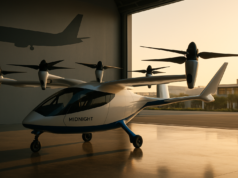
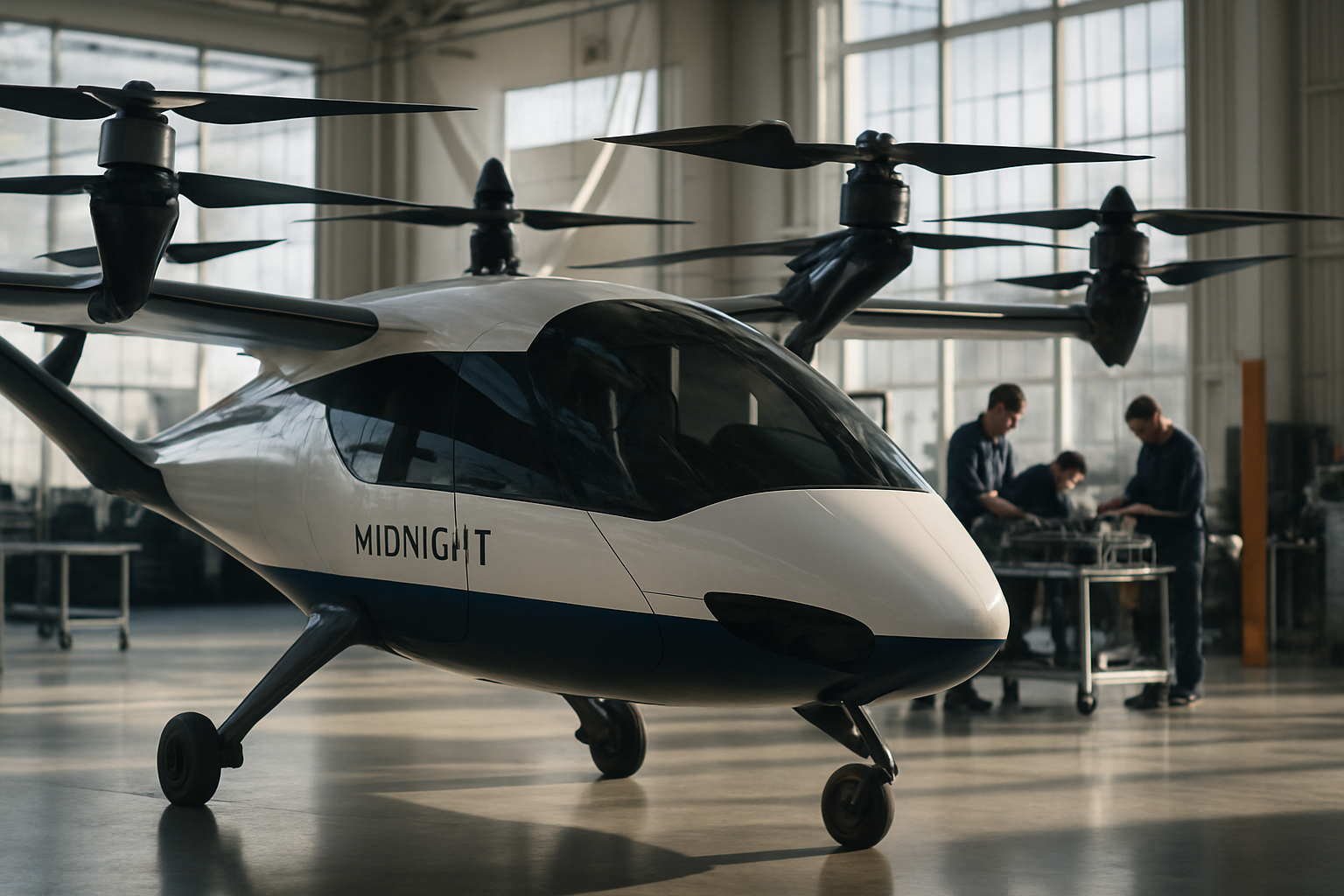
Archer Aviation stands at the forefront of the personal air mobility revolution, developing the Midnight eVTOL aircraft designed specifically for urban air mobility (UAM) operations. The company has secured significant backing from major investors and strategic partnerships, positioning it as a leader in bringing electric aircraft to commercial service. With its headquarters in Santa Clara, California, Archer has attracted top engineering talent and maintains ambitious timelines for achieving certification and deployment across North American cities.
The company’s Midnight aircraft represents a practical approach to eVTOL design, with a focus on efficiency, safety, and regulatory compliance. Unlike some competitors pursuing more exotic designs, Archer’s straightforward architecture and proven engineering methodologies have earned respect from industry observers. The aircraft’s intended role as an air taxi for urban commuters has shaped its specifications, from passenger capacity to range and noise characteristics.
Despite strong technological fundamentals and clear market demand for urban air mobility solutions, Archer’s stock performance has not reflected the company’s operational progress. This disconnect between technological advancement and market valuation has created what some investors perceive as an opportunity, while others see warning signs about the pace of commercialization.
Why the Stock Has Fallen 50%
The decline in Archer Aviation’s stock price reflects several converging factors that have dampened investor enthusiasm across the eVTOL sector. Regulatory timelines for aircraft certification have extended beyond initial expectations, with the Federal Aviation Administration (FAA) maintaining rigorous safety standards that require extensive testing and validation. Investors accustomed to faster timelines in technology sectors have grown impatient with the deliberate pace of aviation certification.
Macroeconomic headwinds have also contributed to the selloff, as capital-intensive manufacturing businesses face higher borrowing costs and more skeptical venture capital investors. The broader market environment has shifted away from high-growth, unprofitable companies toward profitable operations, creating structural headwinds for manufacturers still years away from revenue generation. Archer’s path to profitability remains distant, requiring sustained investment in production facilities, certification, and regulatory compliance.
Additionally, competitive pressures have intensified as numerous eVTOL startups compete for limited funding and market attention. Companies like Joby Aviation, Lilium, and Beta Technologies have pursued different technical approaches and business strategies, creating uncertainty about which platforms will ultimately succeed. This competitive uncertainty has translated into stock price pressure across the sector, with investors adopting a wait-and-see approach to determine which companies will eventually achieve commercial success.
The Case for Long-Term Investment
Proponents of Archer Aviation as a long-term investment opportunity argue that the fundamental market opportunity for urban air mobility remains intact despite current headwinds. Cities worldwide continue to struggle with congestion, and air taxi services represent a potential solution for premium transportation corridors. As economies recover and infrastructure investments increase, demand for innovative transportation solutions should accelerate, creating sustained opportunities for successful eVTOL operators.
From a technical standpoint, Archer’s Midnight aircraft embodies proven engineering principles and conservative design choices that should facilitate certification approval. The company’s focus on safety systems, redundancy, and regulatory compliance demonstrates a clear-eyed understanding of aviation’s exacting standards. These characteristics, while perhaps less exciting than more futuristic competitors’ designs, increase the probability of successful commercialization and sustained operations.
Furthermore, Archer’s strategic partnerships and funding relationships position it well to navigate the expensive journey toward commercial service. The company has demonstrated access to capital markets and institutional backing that enables long-term research and development investment. For patient investors with 5-10 year time horizons, current valuations may reflect excessively pessimistic assumptions about the company’s ultimate success and market penetration.
Continuing Risks and Challenges
Despite potential upside opportunities, significant risks remain that could justify continued stock price pressure. Regulatory approval timelines represent the most critical uncertainty, with the FAA maintaining discretion over certification schedules that could extend far beyond current expectations. Any major accidents or safety concerns in the broader eVTOL industry could trigger additional regulatory scrutiny that delays Archer’s path to service launch.
Production scaling represents another formidable challenge, as Archer transitions from prototype development to manufacturing aircraft at commercial scale. Building the supply chains, quality control systems, and manufacturing infrastructure necessary to produce dozens or hundreds of aircraft annually requires execution excellence across numerous functional areas. Delays or cost overruns in this transition phase could pressure the company’s financial position and investor confidence.
Market adoption uncertainty adds another layer of risk, as consumers and operators must accept air taxi services at prices necessary for profitable operation. Early pricing estimates suggest air taxi services could cost several hundred dollars per trip, which may prove uncompetitive with ground transportation alternatives in many use cases. If commercial demand proves substantially lower than anticipated, Archer’s investment thesis could deteriorate significantly regardless of technical achievements.
Market Outlook and Investor Considerations
The eVTOL market stands at an inflection point, with regulatory approvals potentially arriving within the next 2-3 years for leading candidates like Archer Aviation. This timeline creates distinct scenarios for investors to evaluate: a successful regulatory pathway could spark a dramatic revaluation upward, while any significant delays could extend the period of investor skepticism and stock underperformance. The risk-reward profile for Archer investors depends heavily on conviction regarding regulatory approval probability and timeline.
Industry observers expect that successful commercialization will ultimately prove rewarding for surviving manufacturers, as the global market for urban air mobility could eventually support multiple billion-dollar companies. Early leaders who achieve certification and begin operations possess significant competitive advantages, including brand recognition, operational experience, and regulatory relationships. Archer’s current position as an industry frontrunner suggests the company has meaningful probability of eventual success.
However, the path from current valuations to profitable operations remains treacherous, with numerous potential setbacks that could extend the timeline and burn through additional capital. Investors considering Archer Aviation should carefully evaluate their conviction about long-term market development, their tolerance for continued volatility and potential further downside, and their ability to wait patiently for commercialization milestones to materialize.
Key Investor Considerations
- Regulatory certification timeline remains the critical driver of future valuation, with FAA approval potentially arriving within 2-3 years for commercial operations
- Production scaling and supply chain development will test the company’s execution capabilities and financial resilience
- Market pricing and demand for air taxi services at profitable unit economics represent unproven assumptions
- Competitive dynamics could shift materially if other eVTOL manufacturers achieve certification more rapidly or demonstrate superior economics
- Long-term investors should possess 5-10 year time horizons and tolerance for significant continued volatility
Archer Aviation’s 50% stock price decline reflects genuine uncertainties about eVTOL commercialization timelines and investor patience for high-capital, long-development-cycle businesses. Whether the company represents a buying opportunity or a value trap depends substantially on individual investor conviction regarding the company’s technical capabilities, regulatory prospects, and ultimate market success. The coming years will provide clarity about which eVTOL manufacturers successfully navigate the path to commercial service, likely determining whether today’s stock prices represent the opportunity of a decade or a cautionary tale about market exuberance ahead of fundamental validation.