HIGHLIGHTS
- Hobbywing launches V13823 and V13828 high-thrust motors specifically optimized for heavy-lift VTOL drones and eVTOL platforms, filling a critical propulsion gap in commercial aerial systems.
- Advanced thermal management and improved power density enable sustained high-load operation without performance degradation, essential for industrial and commercial VTOL missions.
- Standardized propulsion solutions from established suppliers accelerate eVTOL manufacturer development timelines and reduce engineering risk, accelerating PAM commercialization.
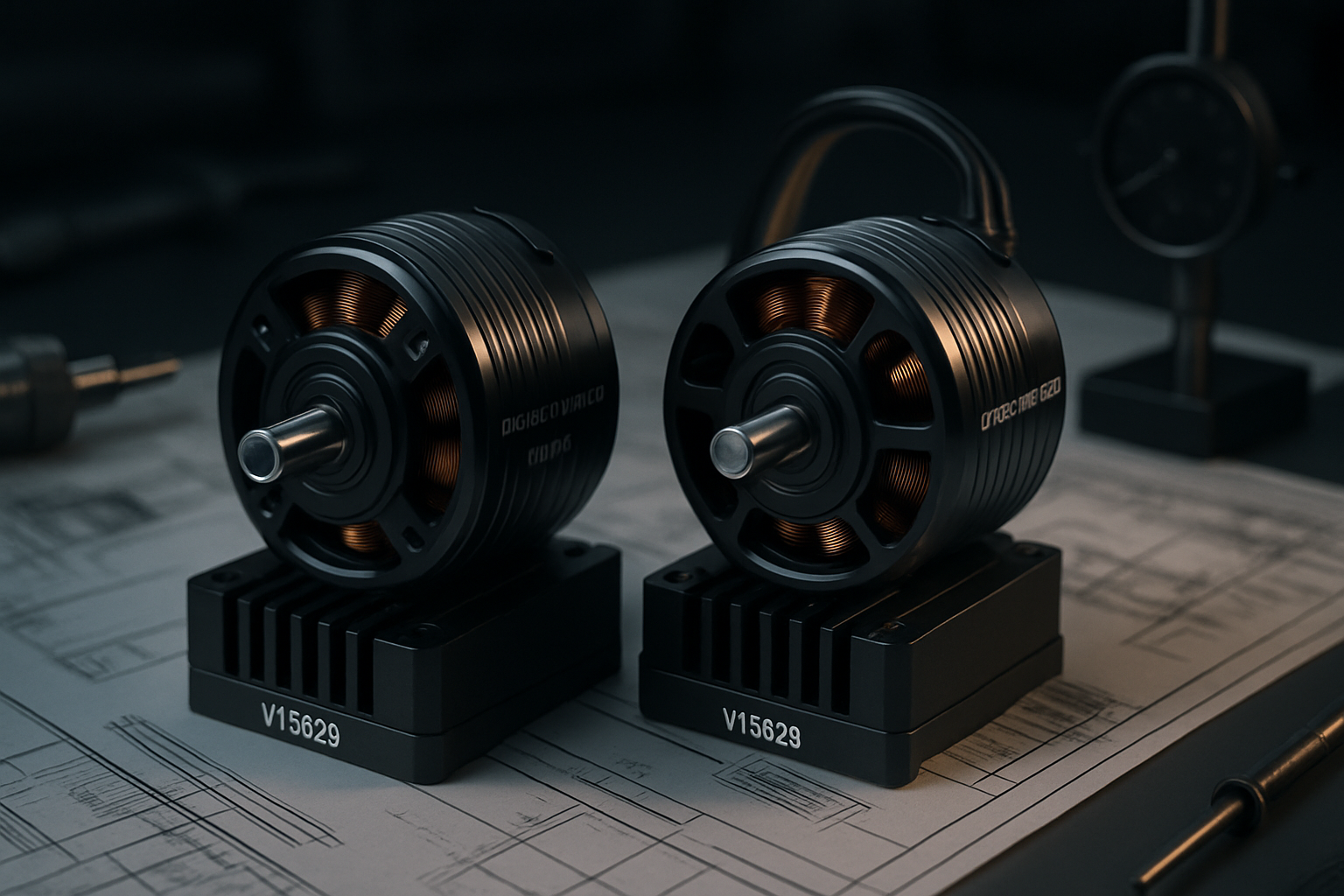
Hobbywing, a leading manufacturer of electric propulsion systems, has unveiled two new high-thrust motors specifically designed for heavy-lift vertical takeoff and landing (VTOL) drones and electric vertical takeoff and landing (eVTOL) aircraft. The V13823 and V13828 motor models represent a significant advancement in personal air mobility technology, offering enhanced power density and efficiency for demanding lift-and-carry operations. This release addresses a critical gap in the propulsion market for industrial and commercial VTOL applications.
Hobbywing’s New Motor Lineup Targets Heavy-Lift Applications
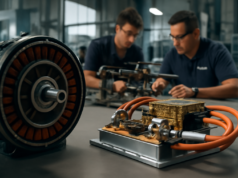
The V13823 and V13828 motors have been engineered from the ground up to meet the specific power requirements of heavy-lift VTOL systems. Unlike previous generations of drone motors that prioritized lightweight designs, these new units emphasize thrust output while maintaining reasonable weight figures. Hobbywing’s engineering team has optimized the magnetic circuit design, cooling efficiency, and rotor construction to deliver consistent performance under sustained high-load conditions.
Heavy-lift VTOL drones require propulsion systems that can reliably generate significant thrust for extended periods without thermal throttling. The new motor models incorporate advanced winding techniques and improved magnet materials that enable higher current capacity and power dissipation. This technical progression allows operators to equip multi-rotor and coaxial VTOL platforms with sufficient thrust margins for payload delivery, aerial filming equipment, and industrial inspection missions.
The release of these motors signals Hobbywing’s commitment to expanding its product portfolio beyond consumer and racing drone segments into the burgeoning commercial VTOL sector. As the personal air mobility industry matures, propulsion systems must evolve to meet increasingly demanding specifications from manufacturers developing passenger-carrying eVTOL vehicles and high-payload industrial platforms.
Technical Specifications and Performance Characteristics
While comprehensive technical datasheets remain available through Hobbywing’s official channels, the V13823 and V13828 models have been designed with compatibility in mind for existing VTOL platforms and emerging next-generation aircraft architectures. These motors are expected to deliver improved thrust-to-weight ratios compared to previous Hobbywing offerings, making them particularly attractive for applications where power density directly impacts operational efficiency and mission range.
The motors feature optimized thermal management systems that enable sustained high-power operation without the performance degradation commonly seen in consumer-grade electric motors. This capability is essential for industrial VTOL applications where mission duration and reliability are paramount. Engineers can integrate these motors into multi-rotor configurations where redundancy and distributed electric propulsion enhance safety margins and operational flexibility.
Hobbywing’s manufacturing process incorporates quality control standards aligned with aerospace and unmanned systems industry expectations. The V13823 and V13828 models undergo rigorous testing protocols to ensure consistency, reliability, and conformance to international standards for unmanned aircraft systems (UAS) propulsion components.
Market Implications for Personal Air Mobility
The introduction of these high-thrust motors addresses a critical bottleneck in the commercialization of heavy-lift VTOL systems and passenger-carrying eVTOL vehicles. Propulsion technology has historically been a limiting factor in vehicle performance, range, and payload capacity. Hobbywing’s investment in this motor development signals confidence in the near-term growth of commercial VTOL markets and the economic viability of heavy-lift aerial platforms.
Component suppliers like Hobbywing play a vital role in the personal air mobility ecosystem by providing standardized, proven propulsion solutions that vehicle manufacturers can integrate into their designs. This approach accelerates development timelines and reduces engineering risk for eVTOL startups and established aerospace companies entering the PAM sector. As more OEMs select Hobbywing motors for their platforms, the company gains economies of scale that further improve product affordability and performance.
The heavy-lift VTOL segment represents one of the most immediately commercializable markets within personal air mobility. Operators in logistics, construction, emergency response, and industrial services have urgent requirements for aerial payload delivery systems. Motors capable of reliably generating high thrust enable these use cases and create revenue opportunities that fund continued technology development in passenger-carrying eVTOL systems.
Integration and Adoption Pathways
Aircraft developers evaluating propulsion options for heavy-lift VTOL platforms will likely conduct comparative testing of the V13823 and V13828 motors against competing offerings from other manufacturers. Hobbywing’s established reputation for reliability and support infrastructure gives the company competitive advantages in winning design-in opportunities. Developers can leverage existing integration experiences with earlier Hobbywing motors to accelerate certification and validation processes.
The availability of high-performance motors from recognized suppliers like Hobbywing enables mid-sized VTOL developers to avoid costly in-house propulsion development programs. This democratization of advanced technology accelerates innovation across the entire personal air mobility sector and allows teams to focus resources on airframe design, flight control systems, and regulatory compliance—areas where differentiation and competitive advantage often reside.
As regulatory frameworks for commercial VTOL operations mature across major markets, the importance of proven, certified propulsion components will increase. Hobbywing’s release of the V13823 and V13828 motors positions the company to support manufacturers navigating these emerging regulatory environments while delivering the technical performance necessary for safe, efficient operations.
Key Takeaways: Hobbywing Motor Release Impact
- Hobbywing’s V13823 and V13828 high-thrust motors are specifically engineered for heavy-lift VTOL platforms, addressing a critical gap in propulsion technology for commercial aerial payload delivery systems.
- The motors feature advanced thermal management and power density improvements enabling sustained high-load operation without performance degradation, essential for industrial and commercial VTOL applications.
- Component suppliers like Hobbywing accelerate the commercialization of personal air mobility by providing standardized propulsion solutions that reduce development risk and timelines for eVTOL manufacturers.
The release of Hobbywing’s V13823 and V13828 motors represents a meaningful step forward in heavy-lift VTOL propulsion technology. As the personal air mobility industry transitions from research and development phases into commercial deployment, advanced electric motors from established suppliers like Hobbywing will be instrumental in enabling the safe, efficient operations that customers and regulators expect. Aircraft manufacturers, system integrators, and operators should evaluate these motors as strategic components for their next-generation VTOL platforms. The convergence of advanced propulsion technology, regulatory progress, and market demand suggests that heavy-lift VTOL systems will emerge as the first major commercial success story within the broader personal air mobility sector.