HIGHLIGHTS
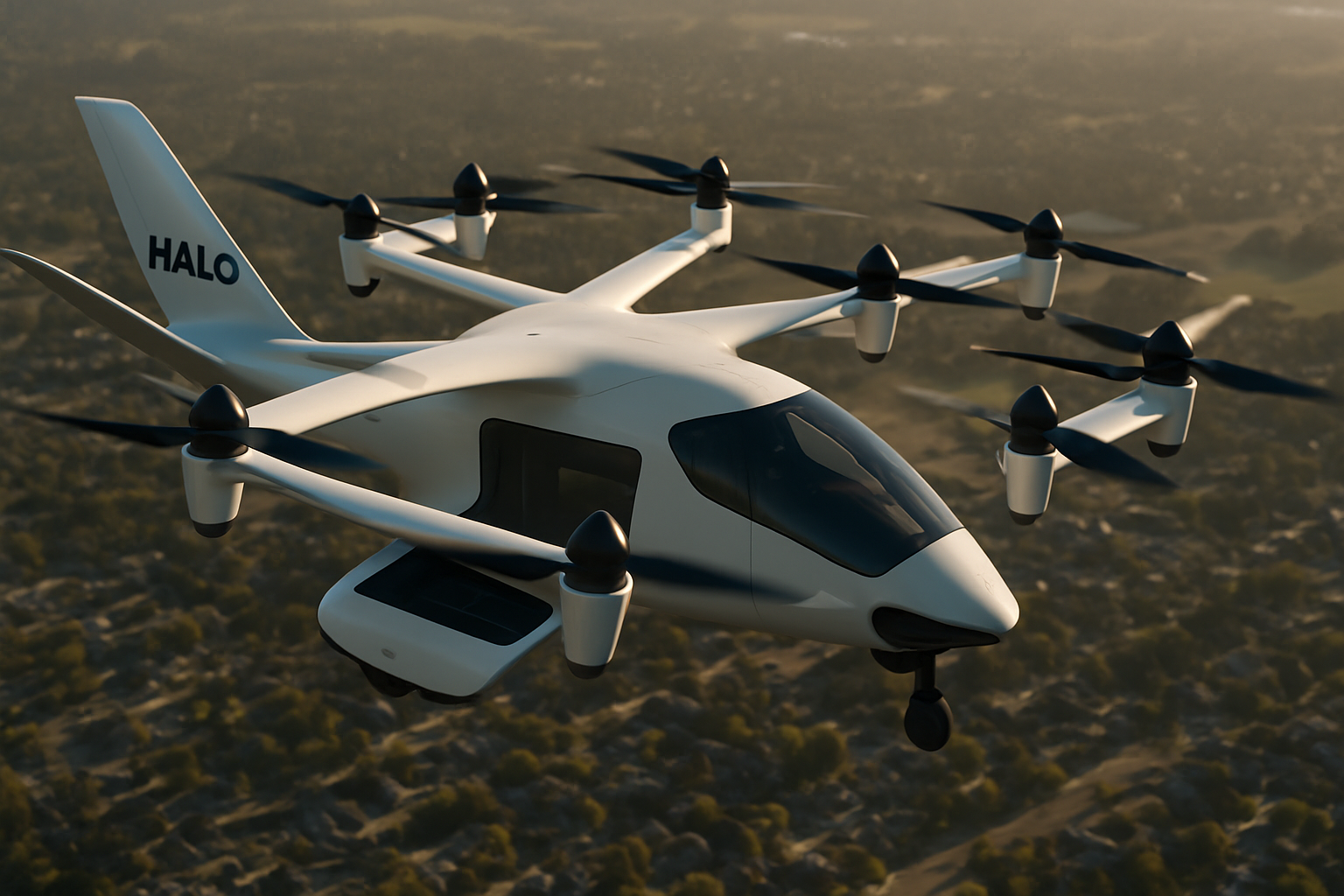
- Archer Aviation introduces the Halo, a purpose-built autonomous VTOL designed to revolutionize long-range cargo delivery operations.
- The Halo represents a significant advancement in autonomous aircraft technology, marking a shift toward dedicated cargo solutions in urban air mobility.
- This unveiling signals the maturation of commercial VTOL platforms optimized for logistics efficiency and automated operations.
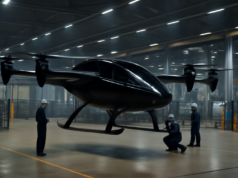
Archer Aviation has officially unveiled the Halo, a next-generation autonomous vertical takeoff and landing (VTOL) aircraft engineered specifically for long-range cargo delivery missions. This strategic reveal marks a pivotal moment in the evolution of commercial personal air mobility, as established aerospace companies increasingly pivot toward dedicated logistics solutions rather than passenger-focused platforms. The Halo represents Archer’s commitment to capturing a substantial share of the emerging autonomous cargo delivery market, which is expected to grow exponentially over the next decade.
Archer’s Vision for Autonomous Cargo Logistics
Archer Aviation has established itself as a key player in the urban air mobility sector by focusing on practical, scalable solutions for real-world transportation challenges. The introduction of the Halo underscores the company’s strategic decision to prioritize cargo operations, where regulatory pathways are often clearer and market demand is demonstrably strong. Unlike passenger-focused eVTOLs, cargo-dedicated aircraft can operate with fewer restrictions and in a broader range of operational scenarios, making them economically attractive to logistics companies seeking alternative delivery methods.
The Halo’s development reflects extensive research into the operational requirements of modern supply chain management. Archer has integrated feedback from potential operators, industry stakeholders, and regulatory bodies to ensure the aircraft meets real-world needs. This collaborative approach distinguishes the Halo from speculative vehicle concepts, positioning it as a production-ready solution that addresses genuine market gaps in last-mile and mid-range cargo delivery.
The company’s focus on long-range capabilities is particularly significant, as extended flight distances enable the Halo to serve regional logistics networks beyond the typical limitations of traditional drones or helicopter services. This positioning allows Archer to compete across multiple market segments, from urban distribution centers to regional freight operations, thereby expanding the addressable market for autonomous cargo aircraft.
Technical Specifications and Autonomous Capabilities
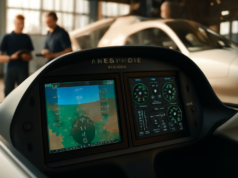
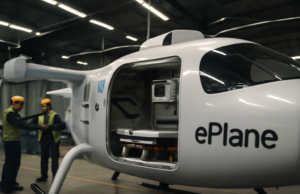
The Halo autonomous VTOL incorporates cutting-edge systems designed to enable safe, reliable, and efficient cargo operations without pilot involvement. The aircraft features advanced autonomous flight control systems, redundant safety mechanisms, and integrated cargo management systems that streamline loading, securing, and delivery workflows. These technical foundations are essential for achieving the operational efficiency gains that make autonomous cargo delivery economically viable compared to traditional helicopter or fixed-wing alternatives.
Range capability is a defining characteristic of the Halo, distinguishing it from shorter-endurance drone platforms. By extending operational range, the aircraft can serve distribution hubs located further from final delivery points, reducing the number of aircraft required to cover large geographic areas. This scalability makes the Halo particularly attractive to logistics operators managing complex supply networks across metropolitan regions and into adjacent areas.
The aircraft’s autonomous systems have been designed with regulatory compliance in mind, incorporating features that satisfy emerging standards for unmanned aircraft operations in controlled and uncontrolled airspace. This proactive engineering approach positions Archer favorably as aviation authorities develop comprehensive regulatory frameworks for autonomous commercial aircraft, potentially allowing the Halo to enter service sooner than competitors who must retrofit systems to meet future requirements.
Market Positioning in the Cargo UAV Landscape
The commercial cargo delivery market represents one of the most promising opportunities within the broader personal air mobility sector. E-commerce giants, regional logistics providers, and specialized delivery services are actively seeking solutions to expedite deliveries while reducing operational costs. The Halo enters this market at a time when proof-of-concept operations are validating the economic viability of autonomous cargo aircraft, creating investor confidence and regulatory momentum.
Archer’s positioning against existing competitors, including both established aerospace companies and dedicated eVTOL startups, hinges on the Halo’s long-range capability and autonomous design maturity. While some competitors focus on short-range urban distribution, the Halo’s extended range enables it to address a broader market segment, including regional logistics corridors that represent significant revenue opportunities. This differentiation strategy allows Archer to pursue partnerships with major logistics operators seeking next-generation cargo solutions.
The timing of the Halo reveal is strategically significant, as several aviation authorities are finalizing regulatory frameworks for autonomous aircraft operations. By unveiling a purpose-built autonomous platform now, Archer positions itself to potentially secure early certifications and establish operational precedents that could favor its aircraft design and operational model. First-mover advantages in autonomous logistics are expected to be substantial, as early operators gain experience, optimize workflows, and build competitive moats through established customer relationships.
Implications for Urban Air Mobility Ecosystem Development
Archer’s shift toward dedicated cargo platforms reflects a broader industry trend recognizing that autonomous cargo operations may mature faster than passenger air mobility services. Regulatory approval, public acceptance, and economic incentives all align more favorably with unmanned cargo aircraft than with piloted or autonomous passenger vehicles. This market dynamics reality is driving major manufacturers to invest heavily in cargo-focused solutions, signaling that the logistics sector will lead UAM commercialization.
The Halo’s unveiling reinforces the narrative that personal air mobility is transitioning from speculative technology to practical infrastructure. As autonomous cargo aircraft demonstrate operational reliability and economic value, they attract capital investment, regulatory attention, and integration with existing logistics networks. This development maturity, in turn, accelerates the broader UAM ecosystem by establishing precedents, standards, and operational procedures that benefit all eVTOL applications.
Integration of autonomous cargo aircraft like the Halo into existing supply chains will require investments in ground infrastructure, airspace management systems, and regulatory coordination. These investments, undertaken by government agencies and private operators, create an enabling environment for other UAM applications, including passenger services. In this sense, autonomous cargo platforms serve as catalysts for broader ecosystem development, justifying the infrastructure investments necessary to support all personal air mobility services.
Looking Toward Commercialization and Deployment
The path from unveiling to commercial operations involves multiple milestones, including final certification, regulatory approvals, and partnership agreements with major logistics operators. Archer’s established relationships with the Federal Aviation Administration (FAA) and its track record in eVTOL development position the company favorably for navigating these approval processes. Early operational certifications are likely to emerge in the coming 12-24 months, as aviation authorities gain confidence in autonomous systems and establish standardized evaluation criteria.
Real-world deployment scenarios for the Halo likely include regional logistics corridors, airport cargo operations, and specialized delivery services where time savings and cost reduction create strong economic incentives. Early customers are expected to be forward-thinking logistics companies with established relationships with UAM developers or strategic positions in emerging aerospace technology sectors. These early adopters will generate operational data, refine procedures, and build the business case for broader fleet deployments.
The success of the Halo in commercial operations will significantly influence investor confidence, regulatory decisions, and industry investment allocation across the personal air mobility sector. A successful launch and initial operations would validate autonomous cargo aircraft as a viable commercial technology, likely accelerating timelines for other manufacturers to bring competing platforms to market. This competitive pressure, in turn, drives innovation and operational efficiency improvements that benefit the entire ecosystem.
Key Takeaways for the UAM Industry
- Archer Aviation’s Halo autonomous VTOL represents a major step forward in purpose-built cargo aircraft design and autonomous operations capabilities.
- Long-range cargo operations offer clearer regulatory pathways and faster commercialization timelines compared to autonomous passenger air mobility services.
- Successful deployment of the Halo could establish operational precedents and standards that accelerate development of the broader personal air mobility ecosystem.
Archer Aviation’s unveiling of the Halo autonomous VTOL marks a significant milestone in the evolution of personal air mobility toward practical, deployed commercial systems. By focusing on long-range cargo operations and fully autonomous flight, the Halo addresses genuine market needs while navigating more favorable regulatory pathways than passenger-focused alternatives. As the aircraft progresses from unveiling to certification and deployment, it will provide crucial real-world data on autonomous aircraft operations, operational efficiency, and economic viability that will inform industry development for years to come. The Halo represents not just a new aircraft, but a signal that autonomous cargo logistics is transitioning from future promise to near-term commercial reality, reshaping how goods move through modern supply chains.