HIGHLIGHTS
- SASMOS HET Technologies and ePlane have signed a strategic MoU to develop specialized wiring systems for eVTOL aircraft.
- The partnership focuses on electrical infrastructure critical to next-generation urban air mobility vehicles.
- This collaboration strengthens India’s emerging eVTOL ecosystem and supply chain capabilities.
In a significant move to advance India’s electric vertical takeoff and landing (eVTOL) sector, SASMOS HET Technologies has partnered with ePlane through a Memorandum of Understanding (MoU) focused on developing cutting-edge wiring systems for next-generation urban air mobility aircraft. This collaboration represents a critical step in establishing comprehensive supply chain infrastructure for eVTOL manufacturers across the subcontinent and demonstrates growing momentum in India’s aerospace innovation ecosystem.
Strategic Partnership Advances eVTOL Infrastructure
The MoU between SASMOS HET Technologies and ePlane signals a strategic commitment to developing specialized electrical wiring systems designed specifically for eVTOL aircraft. As urban air mobility continues to mature globally, the demand for reliable, lightweight, and high-performance electrical distribution systems has become paramount. This partnership directly addresses that critical infrastructure gap by combining SASMOS HET’s expertise in advanced wiring solutions with ePlane’s deep knowledge of eVTOL aircraft development.
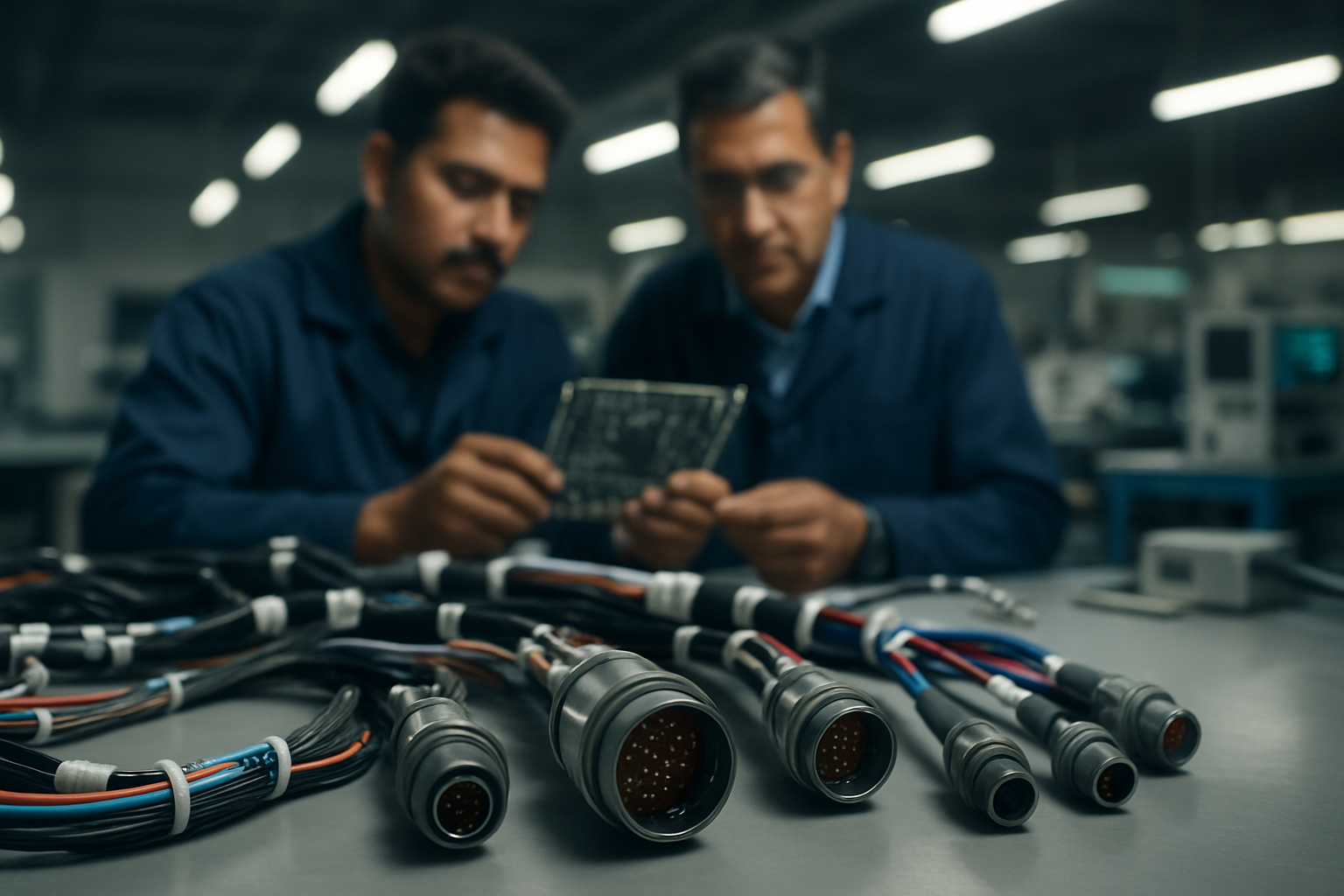
SASMOS HET Technologies brings considerable experience in aerospace-grade electrical systems and connectivity solutions. The company’s specialization in high-reliability wiring harnesses and distribution systems makes it an ideal partner for eVTOL manufacturers who require components meeting stringent aviation standards. By focusing on eVTOL-specific applications, SASMOS HET can tailor solutions that account for the unique electrical demands of electric propulsion systems, battery management, and flight control architectures.
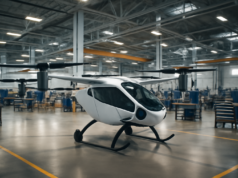
ePlane, as a homegrown Indian eVTOL developer, has been advancing the design and development of electric vertical takeoff aircraft tailored to India’s geographical and regulatory landscape. The company’s focus on practical urban air mobility solutions has positioned it as a thought leader in the regional aerospace sector. Through this partnership with SASMOS HET, ePlane gains access to specialized wiring expertise while simultaneously strengthening India’s indigenous aerospace supply chain capabilities.
Electrical Systems Critical to eVTOL Success
The electrical architecture of an eVTOL aircraft represents one of the most critical and complex subsystems. Unlike traditional aviation, where combustion engines drive mechanical systems, eVTOLs depend entirely on sophisticated electrical distribution networks that connect high-capacity battery systems to multiple electric motors, flight control computers, and auxiliary systems. These wiring systems must be exceptionally reliable, lightweight, and capable of handling high power loads safely and efficiently.
Advanced wiring solutions for eVTOL applications must meet numerous engineering challenges. The systems must minimize weight while maintaining structural integrity, provide exceptional electrical conductivity, withstand thermal stresses from high-current operations, and operate within confined aircraft fuselages. Additionally, eVTOL wiring must integrate with sophisticated battery management systems, motor controllers, and redundant flight control architectures that prioritize passenger safety. This level of specialization requires manufacturers who understand both traditional aerospace standards and the emerging requirements of electric propulsion systems.
The partnership between SASMOS HET and ePlane enables the development of wiring solutions that address these multifaceted requirements from the outset. By collaborating during ePlane’s aircraft development phase, SASMOS HET can ensure that electrical distribution systems are optimized for the specific power requirements, thermal environments, and spatial constraints of ePlane’s designs. This integrated approach typically results in superior system performance, reduced weight, and enhanced reliability compared to retrofitting generic aerospace wiring solutions.
Building India’s eVTOL Supply Chain Ecosystem
India’s ambitions in the eVTOL sector have grown substantially in recent years, supported by government initiatives, venture capital investment, and the emergence of capable domestic manufacturers. However, realizing these ambitions requires more than innovative aircraft designs—it demands a robust, sophisticated supply chain capable of producing components that meet international aviation standards. The SASMOS HET and ePlane partnership exemplifies the collaborative approach needed to build this ecosystem from the ground up.
By partnering with Indian suppliers rather than relying exclusively on international vendors, ePlane strengthens the local aerospace industrial base. This strategy has multiple benefits: it reduces dependence on global supply chain uncertainties, promotes technology transfer and skill development within India’s aerospace sector, and creates employment opportunities in high-value manufacturing. As more eVTOL manufacturers emerge in India and the region, suppliers like SASMOS HET can achieve the scale and specialization needed to become globally competitive.
India’s geographic position and large population centers present enormous opportunities for urban air mobility. Cities like Delhi, Mumbai, Bangalore, and Hyderabad face significant air traffic congestion, making eVTOL solutions potentially transformative for urban mobility. Developing indigenous supply chains for critical components like wiring systems positions Indian manufacturers to capitalize on these opportunities while also exporting expertise and products to international markets exploring eVTOL implementation.
Regulatory and Certification Pathways
The development of eVTOL wiring systems within India’s regulatory framework presents both opportunities and challenges. The Directorate General of Civil Aviation (DGCA) has been developing certification frameworks for eVTOL operations, though standards remain evolving as the industry matures. SASMOS HET and ePlane’s collaboration positions both companies to contribute meaningfully to this regulatory evolution while ensuring their products meet emerging safety and performance requirements.
International aviation standards, particularly those established by the European Union Aviation Safety Agency (EASA) and the Federal Aviation Administration (FAA), are influencing global eVTOL development. By designing wiring systems that exceed Indian requirements while meeting international standards, SASMOS HET creates products with global market potential. This approach allows Indian-developed components to compete in international eVTOL programs while establishing ePlane’s aircraft as globally competitive designs.
The partnership also positions both companies to support India’s integration into international eVTOL development ecosystems. As global manufacturers and operators increasingly source components from reliable, quality-conscious suppliers, Indian companies like SASMOS HET that establish certifications and proven track records can access international markets. This creates a virtuous cycle where domestic collaborations lead to international commercial success.
Future Implications for Urban Air Mobility
The SASMOS HET and ePlane partnership arrives at an opportune moment in eVTOL development. Several international eVTOL manufacturers have achieved significant milestones in recent years, with some conducting commercial passenger flights and others securing regulatory approvals for expanded operations. However, the industry remains in early commercial stages, with opportunities for new entrants who can deliver reliable, cost-effective solutions. India’s emerging eVTOL ecosystem, supported by partnerships like this one, positions the country to play a meaningful role in global urban air mobility adoption.
As production eVTOL aircraft transition from prototype and early production phases to scaled manufacturing, specialized component suppliers become increasingly valuable. SASMOS HET’s development of eVTOL-specific wiring systems could prove instrumental in enabling ePlane to achieve production-ready aircraft designs. Furthermore, these systems could eventually support multiple Indian eVTOL manufacturers, creating an ecosystem effect that strengthens the entire sector.
The timeline for eVTOL commercialization continues accelerating globally, with many industry analysts predicting significant operational services launching in major cities within the next 3-5 years. Indian manufacturers who establish production-ready designs and domestic supply chains during this critical period position themselves to capture market share in regional and potentially international markets. The partnership between SASMOS HET and ePlane contributes meaningfully to India’s preparedness for this transition.
Key Takeaways
- SASMOS HET Technologies and ePlane are collaborating to develop specialized wiring systems engineered specifically for eVTOL aircraft performance and safety requirements.
- The partnership strengthens India’s aerospace supply chain by establishing domestic capabilities in critical eVTOL component manufacturing.
- This collaboration positions Indian companies to support both domestic eVTOL operators and potentially export expertise and components to international manufacturers.
The strategic partnership between SASMOS HET Technologies and ePlane represents a meaningful advancement for India’s emerging eVTOL sector. By combining specialized wiring expertise with indigenous aircraft development, this collaboration establishes a model for building comprehensive, world-class aerospace supply chains within India. As urban air mobility transitions from concept to operational reality, partnerships like this one ensure that India possesses both the aircraft designs and the critical component infrastructure needed to participate meaningfully in this transformative transportation revolution.