HIGHLIGHTS
- Mach Industries’ Viper eVTOL aircraft made its debut at VANGUARD 2026, a premier allied defense conference showcasing cutting-edge mobility technologies.
- The demonstration underscores the growing adoption of electric vertical takeoff and landing technology in military and defense operations.
- The Viper’s tactical capabilities position eVTOL aircraft as key assets for rapid deployment, logistics support, and allied interoperability missions.
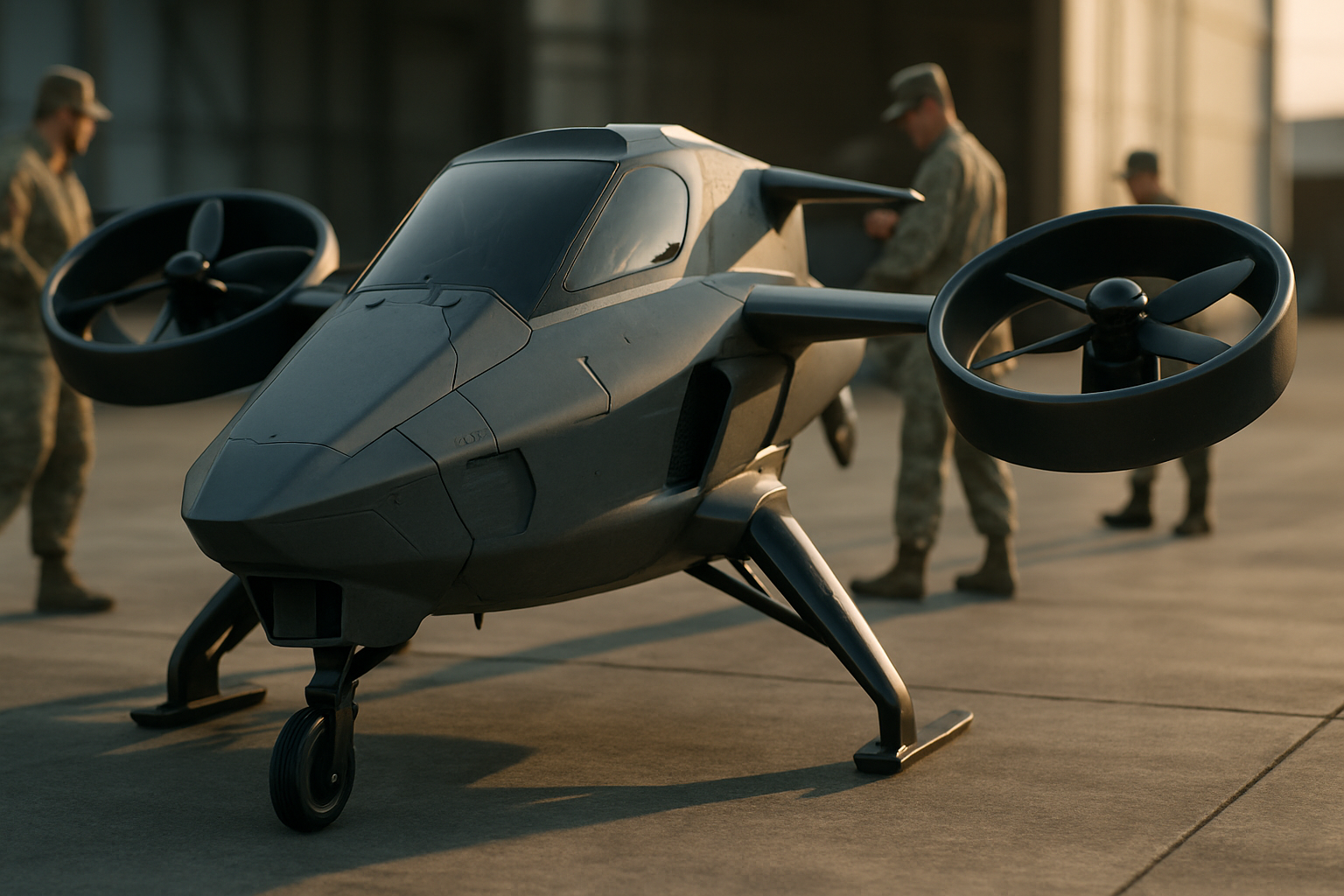
Mach Industries has taken a significant step in advancing electric vertical takeoff and landing (eVTOL) technology within the defense sector by showcasing its Viper aircraft at VANGUARD 2026, a prestigious international conference dedicated to allied defense readiness and innovation. The demonstration represents a landmark moment for the convergence of personal air mobility solutions with military and tactical applications, signaling the industry’s commitment to developing next-generation transportation capabilities for defense operations.
Mach Industries and the Viper Platform
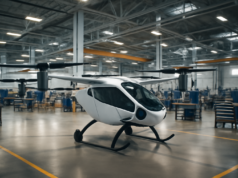
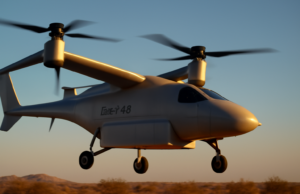
Mach Industries has established itself as a forward-thinking developer of advanced eVTOL aircraft designed to meet the demanding requirements of modern defense ecosystems. The Viper platform represents years of research, development, and refinement focused on delivering reliable, efficient, and operationally flexible vertical takeoff solutions. Unlike conventional aircraft that require extended runways, the Viper’s eVTOL configuration enables rapid deployment from austere locations, forward operating bases, and distributed tactical positions—a critical advantage for allied military operations across diverse geographic terrains.
The aircraft’s design prioritizes both performance and versatility, incorporating advanced composite materials, electric propulsion systems, and intelligent flight management architecture. These engineering innovations translate directly into reduced operational costs, lower acoustic signatures, and dramatically improved fuel efficiency compared to traditional rotorcraft. The Viper’s developmental trajectory reflects Mach Industries’ deep understanding of the intersection between civilian eVTOL innovation and specialized defense requirements.
As the personal air mobility industry continues its rapid evolution, defense applications have emerged as a critical proving ground for emerging technologies. Military organizations worldwide recognize that eVTOL platforms can revolutionize tactical mobility, casualty evacuation, supply chain logistics, and reconnaissance operations. Mach Industries’ Viper directly addresses these mission-critical needs with a platform engineered from the ground up for reliability under extreme operational conditions.
VANGUARD 2026: A Pivotal Defense Technology Showcase
VANGUARD 2026 represents one of the most significant gatherings of allied defense leaders, military strategists, and technology innovators in the global defense community. The conference convenes senior military officials, defense procurement specialists, international security experts, and advanced technology developers to examine emerging capabilities that will shape the future of allied defense strategy. By including eVTOL aircraft demonstrations, VANGUARD 2026 officially recognizes personal air mobility as a transformational defense technology deserving of serious strategic consideration.
The decision to feature the Viper platform at this prestigious event underscores growing confidence within the defense establishment regarding eVTOL readiness for operational deployment. Military organizations have historically approached emerging technologies with appropriate caution, demanding extensive testing, validation, and demonstrated reliability before integration into active service. The fact that Mach Industries’ Viper earned a demonstration slot at VANGUARD 2026 indicates that the aircraft has successfully navigated preliminary assessment phases and demonstrated sufficient maturity to warrant serious allied interest.
VANGUARD 2026 serves as both a technology showcase and a strategic forum where allied nations coordinate defense priorities, share threat assessments, and evaluate procurement opportunities. The visibility granted to Mach Industries’ eVTOL platform at this venue amplifies the message that electric vertical takeoff and landing technology has transitioned from experimental concept to credible defense capability. This positioning accelerates the broader defense industry’s engagement with eVTOL manufacturers and creates momentum for accelerated certification and operational integration pathways.
eVTOL Technology in Allied Defense Operations
The integration of eVTOL aircraft into allied defense structures addresses several critical operational requirements that conventional platforms struggle to meet efficiently. Rapid personnel transport between distributed forward positions enables faster decision-making cycles and improved command and control responsiveness. Casualty evacuation capabilities—historically constrained by helicopter availability and operational limitations—can be dramatically expanded through deployment of nimble, electrically-powered eVTOL aircraft that operate from minimal landing areas and require reduced ground support infrastructure.
Supply chain logistics represent another transformative application domain where eVTOL technology delivers distinctive advantages. Allied forces operating across challenging terrain frequently face bottleneck constraints in resupply operations. eVTOL platforms that operate silently, consume minimal fuel, require no specialized runway infrastructure, and can be rapidly distributed across operational areas represent revolutionary enhancements to logistical flexibility. The Viper’s electric propulsion system dramatically reduces acoustic signature compared to conventional rotorcraft, creating stealth advantages that have direct operational implications for security and threat mitigation.
Intelligence, surveillance, and reconnaissance (ISR) missions can be augmented through persistent eVTOL platforms that remain aloft for extended periods while consuming a fraction of the fuel required by traditional aircraft. The environmental efficiency of electric propulsion translates directly into extended mission duration, expanded surveillance coverage areas, and reduced dependency on forward-deployed fuel caches that present logistical vulnerability. As allied nations expand their strategic security focus to include great power competition and distributed conflict scenarios, these force multiplication capabilities become increasingly strategically significant.
Strategic Implications for Allied Defense Readiness
The successful demonstration of advanced eVTOL capability at VANGUARD 2026 carries profound strategic implications extending far beyond a single technology showcase. Allied defense establishments have historically operated within technological and operational frameworks established decades ago, often constrained by path dependencies that slow adaptation to emerging capabilities. The visible advancement of eVTOL platforms from conceptual curiosity to operational-grade systems compels strategic reassessment across multiple defense domains simultaneously.
Interoperability considerations become increasingly complex and operationally significant as allied nations contemplate integrating eVTOL aircraft into joint operations and multinational task forces. The Viper platform’s debut at VANGUARD 2026 positions Mach Industries at the forefront of allied discussions regarding standardization, communications architecture, and operational procedures that will govern international eVTOL utilization. These standardization frameworks, established during early technology adoption phases, profoundly influence long-term allied operational integration and technology ecosystem development.
The defense procurement landscape globally faces sustained pressure to develop capabilities that deliver superior effectiveness while managing constrained defense budgets. eVTOL technology’s combination of exceptional fuel efficiency, reduced maintenance requirements, minimal ground infrastructure needs, and operational flexibility creates powerful economic incentives for adoption. Allied defense planners evaluating long-term force structure investments increasingly recognize that eVTOL platforms might deliver equivalent or superior operational outcomes compared to conventionally-equipped forces at substantially reduced total cost of ownership—a calculation that becomes increasingly significant during periods of fiscal constraint.
Key Defense Applications and Operational Advantages
- Tactical personnel mobility: Rapid deployment of command teams, specialist personnel, and reinforcements from distributed positions without requiring conventional runway infrastructure.
- Medical evacuation enhancement: Extended range, silent operation, and minimal infrastructure requirements enable faster casualty treatment and improved combat casualty care outcomes across dispersed operational areas.
- Logistics optimization: Efficient supply resupply to forward positions, reduced fuel consumption, and minimal ground support requirements maximize logistical effectiveness while minimizing vulnerability.
- Reconnaissance and surveillance: Extended endurance electric platforms provide persistent ISR coverage with reduced acoustic signature and expanded coverage areas compared to conventional rotorcraft.
- Force protection and security: Silent operation and rapid deployment capabilities enable security operations, threat response, and asset protection with enhanced tactical surprise and operational flexibility.
The Future of eVTOL in Allied Operations
Mach Industries’ demonstration of the Viper platform at VANGUARD 2026 represents more than a single product showcase—it signals the emergence of eVTOL technology as a fundamental component of future allied defense capabilities. The defense industry’s traditional adoption cycles, though necessarily conservative to ensure operational reliability, are accelerating as eVTOL platforms achieve higher technology maturity levels. Certification pathways, operational doctrines, and integration frameworks are being developed in parallel with ongoing technological refinement, compressing the traditional timeline between technology demonstration and operational deployment.
International competition in the eVTOL defense sector intensifies as nations recognize the strategic importance of maintaining technological leadership in personal air mobility. Allied defense establishments cannot afford to fall behind in eVTOL capability development, as those nations that successfully integrate advanced eVTOL platforms into operational service gain significant tactical and strategic advantages. The visibility granted to Mach Industries’ Viper at VANGUARD 2026 likely accelerates procurement planning processes across allied nations, triggering detailed capability assessments and operational requirement refinement cycles.
The long-term trajectory points toward eVTOL platforms becoming routine components of allied force structures, deployed across multiple operational contexts and integrated into standard military doctrine. The developmental pathway extends far beyond the Viper platform itself, encompassing entire ecosystems of supporting technologies, logistical infrastructure, training programs, and operational procedures. VANGUARD 2026’s explicit inclusion of eVTOL technology demonstrations validates this transformation and positions the personal air mobility industry as a strategic partner in shaping the future of allied defense operations.
Mach Industries’ showcase of the Viper aircraft at VANGUARD 2026 represents a watershed moment in the evolution of personal air mobility technology, demonstrating that electric vertical takeoff and landing platforms have achieved sufficient technological maturity to warrant serious consideration within allied defense establishments. The demonstration validates years of focused development and positions eVTOL technology as a transformational capability that will redefine tactical mobility, logistics operations, and allied operational effectiveness throughout the coming decades. As allied nations continue assessing implications of this emerging technology, the Viper platform stands as concrete evidence that the future of defense operations increasingly depends on embracing the revolutionary capabilities that advanced eVTOL systems deliver.