
HIGHLIGHTS
- Sikorsky Nomad 100 VTOL aircraft has progressed to active DARPA flight testing, a critical validation phase for military vertical takeoff and landing capability.
- The advancement demonstrates Sikorsky’s commitment to developing hybrid-electric propulsion systems for next-generation military aerospace platforms.
- DARPA flight testing accelerates the pathway toward operational deployment of advanced VTOL aircraft in tactical military scenarios.
Sikorsky, a Lockheed Martin subsidiary, has achieved a significant milestone by advancing its Nomad 100 VTOL aircraft into the critical DARPA flight testing phase. This progression represents a major leap forward in the development of next-generation military vertical takeoff and landing platforms. The transition from developmental testing to DARPA-supervised flight validation underscores the aircraft’s readiness and the accelerating pace of innovation in the electric vertical takeoff and landing sector.
Sikorsky’s Nomad 100 Program Overview
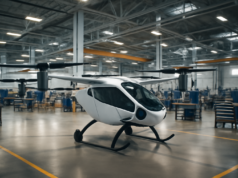
The Sikorsky Nomad 100 is a hybrid-electric VTOL aircraft designed to meet the evolving operational requirements of modern military forces. The platform represents a fundamental shift in vertical lift technology, moving away from traditional helicopter designs toward more efficient, sustainable, and versatile flight solutions. Sikorsky has positioned the Nomad 100 as a cornerstone of its vision for future combat and transport operations.
The aircraft’s architecture combines electric propulsion systems with conventional power sources, creating a hybrid configuration optimized for multiple mission profiles. This design flexibility allows the Nomad 100 to conduct tactical transport, medical evacuation, reconnaissance, and rapid deployment operations across diverse geographic and operational environments. The hybrid approach also extends endurance while reducing environmental footprint compared to conventional rotorcraft platforms.
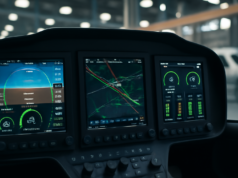
Key design features of the Nomad 100 include advanced fly-by-wire controls, modular payload configurations, and distributed electric propulsion architecture. These innovations collectively enhance mission versatility while maintaining the operational reliability required by military customers. The aircraft’s development has benefited from extensive ground testing, simulation, and preliminary flight validation work conducted prior to DARPA engagement.
DARPA Flight Testing Significance and Scope
DARPA’s involvement in the Nomad 100 testing program provides independent technical validation and accelerates the pathway toward military operational readiness. DARPA testing protocols represent some of the most rigorous and comprehensive standards in the aerospace industry, focusing on performance validation, safety assurance, and operational effectiveness across a wide spectrum of scenarios. The advancement to this testing phase signals that the Nomad 100 has successfully cleared preliminary developmental hurdles.
The flight testing campaign will systematically evaluate the aircraft’s handling qualities, propulsion system performance, hover stability, transition characteristics, and payload capacity across various environmental conditions. DARPA engineers will assess the platform’s performance in extreme temperature ranges, high-altitude operations, and demanding maritime environments. This comprehensive evaluation protocol ensures that any technology transitioned to operational military units has been thoroughly validated.
The testing phase also provides critical data on manufacturing scalability, supply chain resilience, and operational support requirements. DARPA’s involvement helps identify and mitigate technical risks before full-scale production, reducing program lifecycle costs and accelerating the timeline to operational deployment. Success in this testing phase positions the Nomad 100 for accelerated transition into military service across multiple defense agencies and allied partners.
Hybrid-Electric Propulsion Advantages
The Nomad 100’s hybrid-electric propulsion system represents a fundamental advancement over conventional turbine-powered rotorcraft. Hybrid configurations offer superior power management flexibility, allowing dynamic load-balancing between electric motors and combustion engines to optimize efficiency across the flight envelope. This technology delivers measurable improvements in fuel efficiency, operational range, and mission flexibility compared to legacy platforms.
Electric propulsion components enable distributed power architecture across multiple rotors, improving hover stability and reducing vibration compared to single-rotor or dual-rotor conventional helicopters. The distributed approach also enhances safety by providing inherent redundancy—if one electric motor fails, remaining motors can still maintain controlled flight. Battery and fuel cell technologies integrated into the hybrid system extend endurance while reducing overall weight compared to all-electric architectures relying solely on battery capacity.
Environmental benefits of hybrid-electric propulsion include significant reductions in noise, emissions, and thermal signature—all operationally valuable attributes for military operations. Reduced noise signatures enhance stealth capabilities for covert insertions and reconnaissance missions. Lower thermal signatures complicate detection by infrared-guided threats. These environmental advantages combine with operational benefits to create a compelling business case for military adoption and modernization programs.
Military Market Implications and Competitive Landscape
The Nomad 100’s DARPA advancement positions Sikorsky favorably within an increasingly competitive VTOL market. Numerous aerospace competitors, including Bell Textron, Joby Aviation, and emerging defense contractors, are developing advanced vertical lift platforms. However, Sikorsky’s advantage stems from deep institutional experience in military rotorcraft, established supply chain relationships, and proven expertise in integrating advanced technologies into operational systems.
Military customers worldwide face mounting pressure to modernize vertical lift fleets while managing constrained defense budgets. The Nomad 100 addresses these competing demands by offering operational capabilities comparable to or exceeding legacy platforms while reducing lifecycle costs through improved efficiency and reduced maintenance requirements. The platform’s modular design enables customization for specific national requirements, supporting international allied partnerships and foreign military sales opportunities.
Success in DARPA testing could stimulate accelerated acquisition timelines across multiple military branches and allied nations. The U.S. Army, Marine Corps, and Special Operations Command all maintain active requirements for next-generation vertical lift platforms. International demand extends across NATO allies, Pacific partners, and Middle Eastern defense ministries seeking advanced tactical mobility platforms. The Nomad 100’s successful testing progression suggests that meaningful production demand could materialize within 18-36 months.
Technical Validation and Path to Operational Deployment
DARPA flight testing represents only one phase in the comprehensive validation pathway required before the Nomad 100 achieves operational status. Following successful DARPA testing, the platform must complete Service Evaluation (EVAL) conducted by potential military end-users, followed by formal Military Type Certification and Production Readiness Review processes. Each phase builds upon previous testing, progressively validating the aircraft’s readiness for operational squadrons.
Sikorsky is simultaneously managing manufacturing process development, supply chain optimization, and logistical support infrastructure establishment. These parallel efforts compress the timeline from successful testing to initial operational capability. The company is working with defense logistics providers to establish training programs, maintenance protocols, spare parts inventories, and technical documentation required to support operational squadrons. This comprehensive preparation accelerates the transition from prototype to fleet-ready platform.
Ground testing infrastructure supporting DARPA flight operations includes sophisticated test stands validating propulsion system performance under extreme environmental conditions. Simulator development parallels flight testing, enabling pilot training for operational units before production aircraft delivery. Manufacturing facilities are being configured for series production capacity, with detailed planning for supply chain scaling, quality assurance protocols, and workforce training programs. This integrated approach compresses traditional development timelines while maintaining rigorous safety and reliability standards.
Key Takeaways from DARPA Flight Testing Milestone
- Sikorsky Nomad 100 advancement to DARPA testing validates hybrid-electric VTOL technology maturity and accelerates military adoption pathway.
- Rigorous DARPA testing protocols provide independent technical validation, reducing deployment risks and supporting rapid transition to operational service.
- Successful testing progression positions the Nomad 100 for significant military market opportunities across U.S. defense agencies and international allied partners within 18-36 months.
The Sikorsky Nomad 100’s advancement into DARPA flight testing marks a watershed moment in military vertical lift modernization. This milestone demonstrates that hybrid-electric VTOL technology has matured beyond conceptual development into practical operational capability. The rigorous validation processes underway will establish the technical foundation for operational deployment across military branches and allied nations. As testing progresses and performance data validates the platform’s capabilities, the Nomad 100 is positioned to reshape military vertical lift operations, delivering enhanced operational flexibility, improved efficiency, and advanced technology integration to warfighters worldwide.