HIGHLIGHTS
- Electric vertical takeoff and landing (eVTOL) technology is reshaping urban transportation with zero-emission flights becoming operational in major cities globally.
- Industry leaders are accelerating certification timelines and commercial deployment, with multiple aircraft models transitioning from testing to passenger service in 2026.
- Investment in eVTOL infrastructure—including vertiports, charging networks, and air traffic management systems—is critical to enabling sustainable urban air mobility at scale.
The electric vertical takeoff and landing (eVTOL) sector is experiencing a transformative moment as multiple companies race to commercialize aircraft that could fundamentally reshape urban transportation. From regulatory approval breakthroughs to expanding vertiport networks, the industry is moving decisively from development phase into operational deployment. August 2026 marks a pivotal window where several critical milestones are converging—manufacturer certifications are advancing, cities are preparing infrastructure, and the promise of zero-emission urban air mobility is transitioning from concept to reality.
The eVTOL Technology Breakthrough
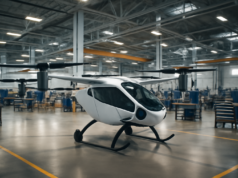
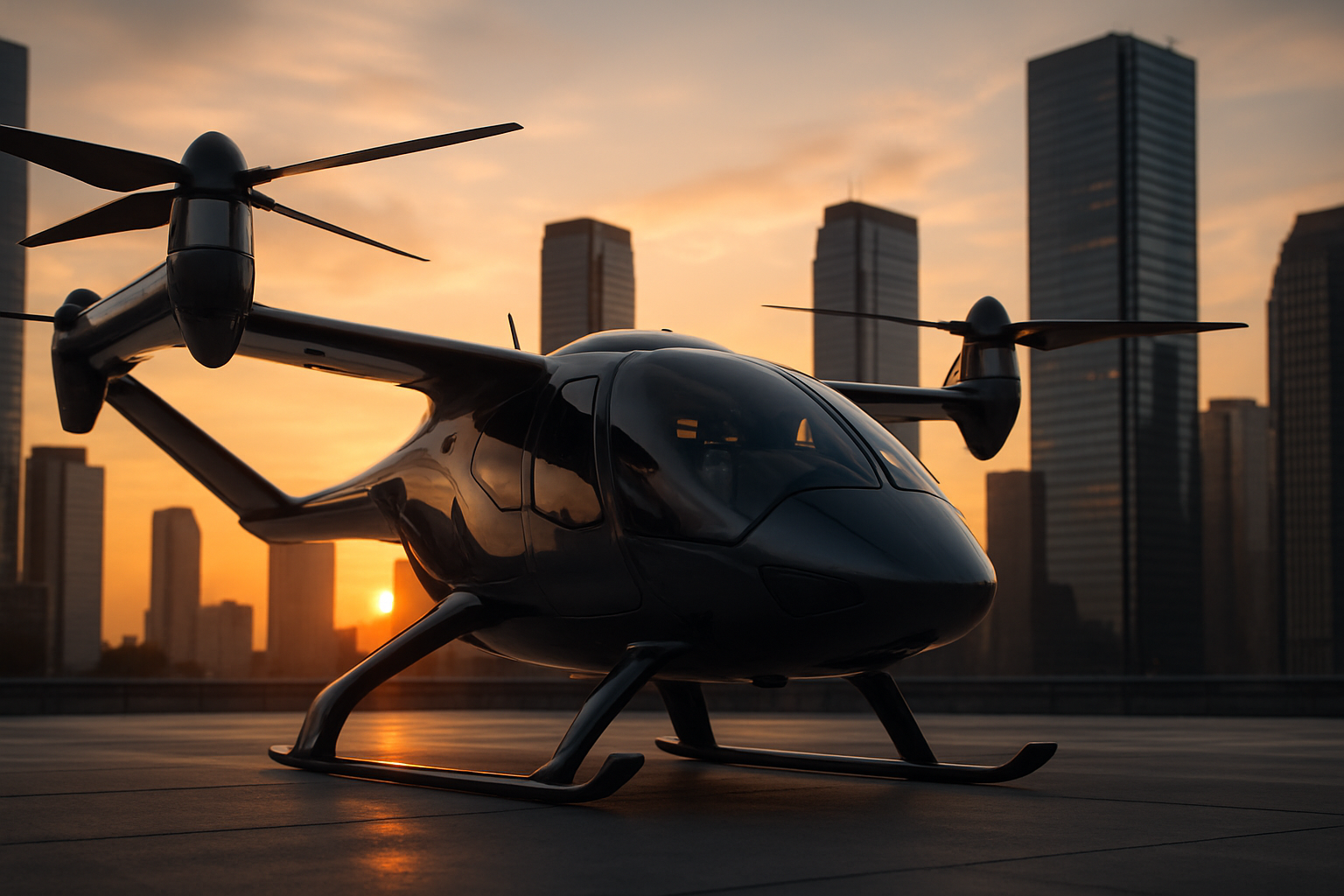
Electric vertical takeoff and landing aircraft represent a quantum leap forward in aviation technology, combining electric propulsion systems with advanced battery management to create aircraft capable of urban operations. Unlike traditional helicopters, eVTOLs distribute thrust across multiple electric motors, delivering quieter, cleaner flight with dramatically lower operating costs. The architecture enables compact takeoff and landing footprints—critical for densely populated urban environments where space is at a premium.
Recent advances in battery energy density have been game-changing for the sector. Current-generation lithium-ion and emerging solid-state battery technologies now provide sufficient power for regional routes of 50-150 kilometers, making intercity trips and airport shuttles economically viable. Engineering teams worldwide have demonstrated that electric propulsion can deliver the redundancy and safety margins required for commercial aviation, with multiple independent electric motors ensuring operational safety even under component failure scenarios.
The design sophistication extends to intelligent flight management systems that optimize energy consumption in real-time. Advanced aerodynamics, regenerative braking during descent, and AI-assisted routing minimize power consumption, extending range and reducing charge times between flights. These technological achievements represent years of intensive research and billion-dollar development investments by aerospace giants and venture-backed startups alike.
Regulatory Acceleration and Certification Pathways
Aviation regulators across Europe, North America, and Asia have recognized the transformative potential of eVTOL technology and are establishing expedited certification frameworks. The FAA in the United States, EASA in Europe, and CAAC in China have each developed special conditions and type certification pathways specifically designed for electric aircraft, recognizing that traditional helicopter certification models don’t fully capture the unique characteristics and safety profiles of electric propulsion systems.
This regulatory evolution is essential for commercialization. Rather than requiring companies to fit electric aircraft into decades-old helicopter specifications, modern certification approaches recognize novel design features like distributed electric propulsion, battery management systems, and electric motor reliability. The first commercial eVTOL aircraft have already achieved type certification in multiple jurisdictions, paving the way for scheduled passenger operations and cargo transport services.
International coordination is strengthening standards development, ensuring that aircraft certified in one region can operate safely across borders. This harmonization is critical for enabling regional and intercontinental networks. Companies like Airbus, Boeing subsidiaries, Lilium, and Joby are working closely with regulators to establish precedents that will streamline certification for subsequent aircraft models, creating network effects that accelerate time-to-market for the broader eVTOL ecosystem.
Vertiport Infrastructure and Urban Integration
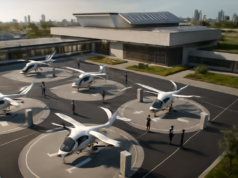
Successful commercialization of eVTOL services requires building entirely new infrastructure categories. Vertiports—landing facilities specifically designed for electric aircraft—are being constructed in major cities including Singapore, Los Angeles, São Paulo, and Tokyo. Unlike traditional airports requiring expansive land footprints, vertiports can be integrated into urban environments on rooftops, parking structures, or dedicated downtown facilities, bringing air mobility directly to city centers.
These facilities incorporate high-speed charging systems capable of turnaround times as short as 5-15 minutes between flights, passenger processing areas scaled for smaller aircraft capacities, and weather monitoring systems optimized for operations in urban canyons. Early vertiports are demonstrating that electric aircraft can achieve economics competitive with luxury ground transportation while dramatically reducing travel times for inter-city and airport routes.
Urban air mobility networks are being designed with sophisticated air traffic management systems that guide eVTOL flights along safe corridors above existing street traffic. Cities are developing digital airspace management platforms that coordinate dozens or hundreds of aircraft simultaneously, leveraging 5G connectivity and AI-driven traffic optimization. Public-private partnerships are enabling cities to participate in network economics while maintaining safety oversight and environmental responsibility.
Market Expansion and Competitive Landscape
The eVTOL market encompasses diverse vehicle architectures and business models targeting different customer segments. Passenger-focused aircraft are being positioned as premium transportation alternatives for time-sensitive travelers, particularly airport shuttles and city-pair routes where time savings justify premium pricing. Cargo-focused variants are being developed for last-mile logistics, pharmaceutical delivery, and emergency medical transport applications that benefit from zero-emission, noise-free operations in residential areas.
Competition has intensified dramatically, with established aerospace suppliers (Airbus, Boeing, Textron) competing against venture-backed innovators (Joby, Archer, Lilium, Vertical Aerospace) in a race to establish market leadership. This competitive dynamic is accelerating innovation—newer entrants are pushing envelope in battery integration, autonomous flight systems, and business model innovation, while established manufacturers bring manufacturing scale and supply chain sophistication.
Investment capital continues flowing into the sector despite broader venture funding challenges, with strategic backing from automotive suppliers, automotive manufacturers, and infrastructure investors signaling confidence in long-term market viability. Airlines and mobility service providers are making significant commitments to eVTOL operations, with several major carriers announcing plans to offer eVTOL connections alongside traditional air service within the next 2-3 years.
Sustainability and Environmental Impact
The environmental case for eVTOL adoption becomes stronger as electricity grids incorporate more renewable generation. Aircraft powered by renewable electricity represent true zero-emission transportation, and even on grids with mixed energy sources, electric aircraft generate dramatically lower lifecycle carbon emissions than conventional helicopters or fixed-wing aircraft. Noise reduction—eVTOLs are typically 10-20 decibels quieter than traditional helicopters—eliminates one of the primary constraints on helicopter operations in densely populated areas.
Urban air mobility can complement ground-based transportation by providing fast, efficient movement for premium-priced journeys while freeing ground infrastructure for sustainable mass transit. Strategic deployment of eVTOL networks around major transit hubs, airports, and employment centers can reduce overall transportation system carbon intensity and improve quality of life by reducing ground traffic congestion and associated emissions.
Lifecycle analysis demonstrates that even with current battery production impacts, electric aircraft achieve carbon neutrality advantages over conventional aviation within 2-3 years of operation. As battery manufacturing becomes increasingly efficient and renewable-powered, and as recycling systems mature, the environmental advantage will expand significantly. For cities committed to carbon neutrality targets, strategic investment in eVTOL infrastructure represents a high-impact decarbonization opportunity.
Key Takeaways for the Urban Air Mobility Sector
- eVTOL aircraft are transitioning from prototype phase into commercial deployment, with multiple manufacturers having achieved regulatory certification and beginning passenger operations in 2026.
- Vertiport construction in major global cities is accelerating, enabling integration of electric air mobility into urban transportation networks and reducing airport access times for premium travelers.
- Competitive intensity among aerospace manufacturers and mobility startups is driving innovation in battery technology, autonomous flight systems, and business models that will enable broader market adoption.
The electric vertical takeoff and landing revolution represents a genuine paradigm shift in aviation and urban transportation. As August 2026 demonstrates, this is no longer speculative future technology—it is present-day reality in major cities across multiple continents. The convergence of regulatory certification, infrastructure deployment, and commercial service launches signals that personal air mobility has transitioned from promising concept into operational transportation system. For cities, investors, and travelers embracing this transformation, the rewards include faster urban connectivity, cleaner air, and quieter skies. The eVTOL sector’s momentum is undeniable, and the implications for global transportation networks are only beginning to unfold.