
HIGHLIGHTS
- Galveston’s Scholes International Airport hosts electric aircraft tests, becoming a key validation site for eVTOL technology in the South Texas region.
- FAA regulatory pathways enable controlled testing at civilian airports, accelerating real-world validation essential for commercial eVTOL deployment.
- Infrastructure modifications at Scholes will establish industry standards for eVTOL charging, ground support, and operational procedures applicable across regional airports nationwide.
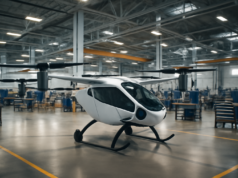
Galveston’s Scholes International Airport is preparing to become a testing hub for electric vertical takeoff and landing (eVTOL) aircraft, positioning South Texas as a key region for the emerging urban air mobility industry. The upcoming trials represent a significant step forward in validating next-generation aviation technology at a real-world airport facility, with implications for how cities nationwide can integrate electric aircraft into existing aviation infrastructure.
Scholes Airport Embraces Electric Aviation Innovation
Scholes International Airport in Galveston has secured its position as a testing ground for eVTOL aircraft development, demonstrating the facility’s commitment to supporting cutting-edge aviation technology. The decision reflects a growing trend among regional airports to position themselves as innovation hubs for personal air mobility, attracting manufacturers and operators seeking real-world validation environments.
The airport’s selection as a test site underscores the advantages of the Galveston location, including its proximity to urban centers, available airspace, and existing aviation infrastructure. Scholes operates as a public-use airport serving the region’s transportation and general aviation needs, making it an ideal candidate for controlled eVTOL testing that can benefit from established air traffic procedures and safety protocols.
This initiative places Galveston alongside other forward-thinking municipalities exploring electric aircraft operations. The airport’s willingness to host these trials signals confidence in the viability of eVTOL technology and suggests that legacy aviation facilities are increasingly receptive to accommodating future mobility concepts alongside traditional aircraft operations.
Regulatory Framework Accelerates eVTOL Deployment
The eVTOL testing at Scholes International Airport benefits from an evolving regulatory environment that increasingly provides clarity for electric aircraft operations. The Federal Aviation Administration (FAA) has been actively developing certification pathways and operational guidelines for electric vertical takeoff vehicles, creating a more defined framework for controlled testing programs.
Recent FAA guidance and special airworthiness certifications have opened doors for manufacturers to conduct realistic flight tests at civilian airports. This regulatory progress is essential for gathering the performance data, safety documentation, and operational experience needed to eventually support commercial eVTOL services in populated areas. Galveston’s test program will contribute valuable real-world evidence to inform these ongoing regulatory developments.
The intersection of airport availability and regulatory clarity creates an optimal environment for accelerated development. By allowing structured testing at established facilities, regulators can oversee innovation while maintaining safety standards—a balanced approach that benefits both manufacturers seeking validation and communities evaluating the technology’s practical feasibility.
Texas Leadership in Urban Air Mobility
Texas has emerged as a competitive hub for electric aviation development, with multiple initiatives underway to establish the state’s leadership in personal air mobility technology. From manufacturing partnerships to infrastructure investments, Texas airports and cities are actively positioning themselves within the eVTOL ecosystem.
Galveston’s role in eVTOL testing adds to a growing portfolio of Texas-based aviation innovation projects. The state’s business-friendly environment, available airspace, and strategic geographic location between major metropolitan centers make it attractive for manufacturers and operators launching advanced aircraft programs. Scholes International Airport joins a network of facilities exploring how to integrate electric aircraft into regional transportation systems.
This momentum reflects Texas’s broader commitment to emerging transportation technologies. By hosting eVTOL tests and development programs, Texas airports strengthen their relevance in a rapidly evolving aviation landscape and help position the state as a preferred destination for companies investing in the future of mobility.
Infrastructure Readiness for Electrical Aviation Systems
Successfully operating eVTOL aircraft at Scholes International Airport requires addressing unique infrastructure considerations distinct from traditional aviation. Charging infrastructure, ground support equipment, and modified operational procedures must be integrated into existing airport systems—a process that provides valuable lessons for other facilities planning similar transitions.
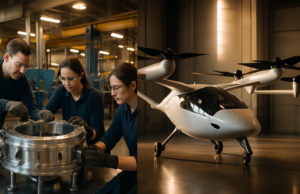
The testing program at Galveston will generate critical data on how legacy airport infrastructure can accommodate electric aircraft operations. These insights will inform industry standards for eVTOL charging facilities, maintenance areas, and ground handling procedures that future commercial operators will require. Each test flight contributes to the knowledge base needed for scaled deployment.
Investment in eVTOL-compatible infrastructure represents a forward-thinking approach by Scholes International Airport. The airport is positioning itself not merely as a testing ground, but as a learning institution contributing to industry-wide infrastructure standards. This proactive stance strengthens Galveston’s competitive position for potential commercial eVTOL operations once the technology reaches full deployment.
Key Takeaways for Urban Air Mobility Leaders
- Scholes International Airport’s eVTOL testing program positions Galveston as a central hub in Texas’s emerging electric aircraft ecosystem, attracting manufacturer partnerships and regulatory attention.
- FAA regulatory frameworks and special certifications enable controlled testing at civilian airports, accelerating the transition from development labs to real-world operational validation.
- Airport infrastructure modifications and ground support system development at Scholes will establish industry standards applicable to eVTOL operations at regional facilities nationwide.
Galveston’s Scholes International Airport testing initiative represents more than a single project—it symbolizes the aviation industry’s transition toward sustainable, electric-powered flight in populated regions. As eVTOL aircraft mature from concept to operational reality, facilities like Scholes that embrace early testing will shape the infrastructure, procedures, and standards governing tomorrow’s urban air mobility systems. The trials underway in Galveston will provide essential data points guiding the broader industry adoption of electric vertical takeoff technology across America’s regional airports.