HIGHLIGHTS
- Beta secures $830M in financing to expand US eVTOL manufacturing, positioning the company for imminent commercial aircraft delivery and regulatory certification success.
- EXIM financing mechanism enables Beta to establish US-manufactured aircraft as globally competitive exports, targeting Asia-Pacific and European air mobility markets.
- Domestic manufacturing expansion creates advanced aerospace jobs and strengthens American competitive advantage against Chinese and European eVTOL competitors.
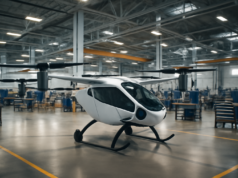
Beta’s announcement of $830 million in financing represents a watershed moment for the electric vertical takeoff and landing (eVTOL) industry, marking a significant commitment to scaling domestic manufacturing operations across the United States. This capital injection underscores growing investor confidence in the commercial viability of personal air mobility solutions and Beta’s position as a leading innovator in the sector.
Strategic Financing Framework Accelerates Production Timeline
The $830 million financing package positions Beta to dramatically accelerate its manufacturing footprint across multiple US facilities. This capital deployment will enable the company to expand production capacity, upgrade existing manufacturing infrastructure, and establish new production centers in strategic geographic locations. The scale of this financing round reflects institutional investor recognition of the rapidly maturing eVTOL market and Beta’s proven engineering capabilities.
This funding structure likely includes a combination of venture capital, strategic partnerships, and potentially government-backed EXIM (Export-Import) financing, which has become increasingly critical for aerospace manufacturing projects. The involvement of export financing mechanisms suggests Beta anticipates significant international demand for its aircraft, positioning the US-manufactured vehicles as competitive exports in global markets.
The timing of this announcement aligns with accelerating regulatory pathways and certification timelines, indicating Beta’s confidence in achieving commercial certification within the near term. Manufacturing expansion announcements typically precede production ramp-ups by 12-18 months, suggesting Beta expects substantial market demand once regulatory approval is secured.
Domestic Manufacturing Reshapes US Aerospace Industry
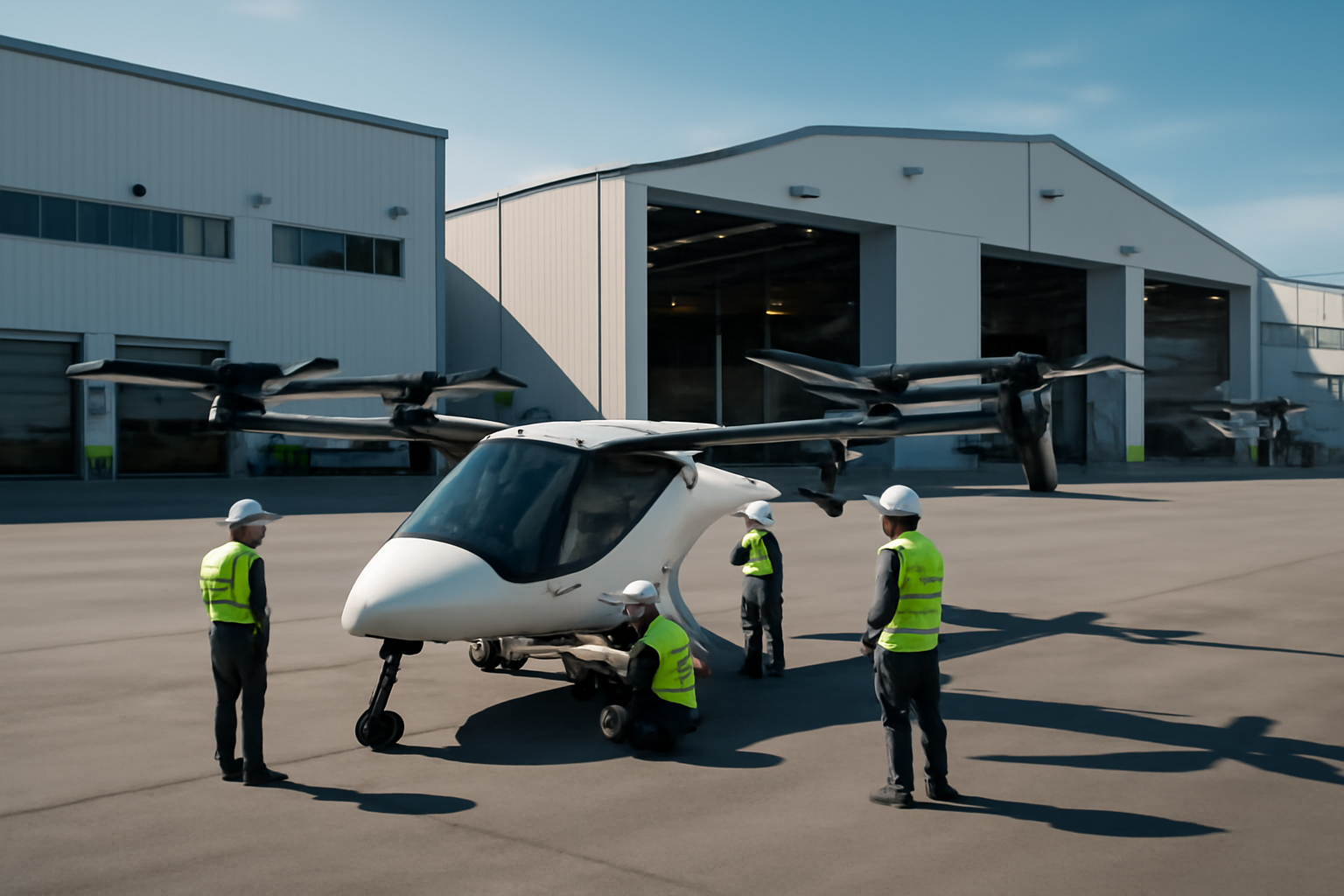
Beta’s manufacturing expansion reinforces a broader trend of reshaping American aerospace production away from traditional fixed-wing aircraft toward next-generation electric propulsion systems. This shift creates new employment opportunities in advanced manufacturing, systems integration, and aerospace supply chains across the United States. The localized production strategy supports domestic job creation while reducing logistics costs and supply chain vulnerabilities.
The expansion of US-based eVTOL manufacturing establishes America’s competitive advantage in a rapidly globalizing market. Chinese and European competitors are aggressively pursuing eVTOL certification and production capacity, making domestic manufacturing capabilities essential for maintaining technological and market leadership. Beta’s capital deployment strengthens the US position as a hub for advanced air mobility innovation.
This investment cycle also benefits the broader aerospace supply ecosystem, as Beta and competing manufacturers source components from established US suppliers with advanced manufacturing expertise. Expanded production volumes create opportunities for tier-one and tier-two suppliers to invest in specialized capabilities, further entrenching American competitiveness in electric propulsion systems and lightweight composites.
Market Demand Signals Drive Capital Deployment
The scale of financing committed to manufacturing expansion signals robust market validation for Beta’s aircraft platform and substantial pre-commercial demand indicators. Airlines, air taxi operators, and regional mobility networks have reportedly expressed interest in early production deliveries, creating economic justification for aggressive capacity expansion. This market pull, rather than speculative supply-side investment, suggests genuine commercial readiness.
The $830 million deployment reflects sophisticated investor due diligence and confidence in Beta’s ability to achieve regulatory certification within defined timelines. Capital markets have historically been skeptical of early-stage aerospace ventures, making substantial institutional funding announcements meaningful indicators of technological progress and regulatory trajectory. This financing represents validation from experienced aerospace investors who understand certification complexity and market dynamics.
Beta’s funding success also elevates competitive pressure on rival eVTOL developers to secure comparable capital commitments or risk falling behind in manufacturing scale and cost competitiveness. This dynamic accelerates industry consolidation and investment concentration among leading platforms with clear regulatory pathways and differentiated technical capabilities.
EXIM Financing Enables Global Market Expansion
The inclusion of EXIM (Export-Import Bank) financing in Beta’s capital structure demonstrates strategic intent to establish Beta-manufactured aircraft as export products competing in international markets. EXIM financing typically supports aerospace manufacturers pursuing foreign sales, enabling US companies to offer competitive financing terms to international buyers. This mechanism has historically been critical for commercial aircraft programs seeking global market penetration.
International demand for eVTOL solutions is particularly strong in Asia-Pacific and European markets, where urban congestion and regulatory frameworks create favorable conditions for air mobility adoption. EXIM financing enables Beta to offer package solutions to international customers, including aircraft, infrastructure support, and financing terms competitive with alternative suppliers. This global market perspective justifies the scale of domestic manufacturing investment.
The use of EXIM mechanisms also signals that Beta’s aircraft design meets requisite domestic content requirements and export-qualified manufacturing standards. This compliance positioning enables Beta to pursue government contracts and international partnerships without additional regulatory modifications, accelerating go-to-market timelines and reducing operational friction.
Key Takeaways
- Beta’s $830M financing secures manufacturing capacity for scaled commercial production, signaling imminent regulatory certification and market-ready aircraft delivery timelines.
- EXIM-backed financing strategy indicates Beta is positioning US-manufactured aircraft as competitive export products for international air mobility markets across Asia-Pacific and Europe.
- Domestic manufacturing expansion strengthens American aerospace competitiveness while creating advanced manufacturing jobs and supporting aerospace supply chain ecosystem development.
Beta’s $830 million financing announcement represents a critical inflection point for the eVTOL industry, translating years of engineering innovation into tangible manufacturing infrastructure and production capability. As the company accelerates its path to commercial operations, this capital deployment will reshape competitive dynamics across urban air mobility, positioning Beta as a leading innovator in transforming how people travel within and between cities. The investment’s scale and structure underscore the maturation of the eVTOL market and the growing reality of personal air mobility becoming a significant component of future transportation ecosystems.