HIGHLIGHTS
- Archer Aviation’s recent stock selloff reflects market volatility in eVTOL sector, but regulatory progress with FAA and operator partnerships indicate recovery potential
- FAA certification timeline targeting 2027 represents key catalyst—successful validation would prove electric air taxi operations can safely integrate into existing airspace
- Archer’s pragmatic design focused on operator economics and near-term deployment differentiates it from competitors, positioning the company to lead commercial eVTOL operations
Archer Aviation has experienced a challenging period recently, with its stock price taking a significant hit last month. However, emerging industry trends and company developments suggest that momentum may be shifting in favor of the California-based electric vertical takeoff and landing (eVTOL) manufacturer. As the personal air mobility sector continues to mature, Archer’s recovery could signal renewed confidence in next-generation aviation technologies.
Understanding Archer Aviation’s Recent Downturn
Like many emerging aerospace companies, Archer Aviation has faced volatility in the public markets. The stock selloff last month reflected broader investor concerns about eVTOL timelines, regulatory approval processes, and the path to profitability. Several factors contributed to the downward pressure, including macroeconomic headwinds and competitive announcements from rival manufacturers racing to deploy urban air mobility networks.
The downturn wasn’t unique to Archer—the entire personal air mobility sector experienced market corrections as investors reassessed valuations and development timelines. However, this volatility also presents opportunities for companies that can demonstrate tangible progress toward certification and commercial deployment. Archer’s ability to weather this storm and emerge with operational capabilities will be crucial to long-term shareholder value.
Despite the short-term stock performance, Archer maintains a substantial order backlog and partnerships with ride-sharing and aviation logistics companies. These contractual commitments provide revenue visibility and validate market demand for certified eVTOL aircraft. The company’s focus on regulatory compliance and safety validation continues to position it as a serious contender in the emerging air taxi industry.
Regulatory Progress and Certification Milestones
A key driver of shifting momentum is Archer’s advancing certification timeline with the Federal Aviation Administration (FAA). The company has made steady progress through Special Conditions and type certification processes, demonstrating its aircraft’s safety and performance capabilities to regulators. Recent FAA interactions have reportedly been constructive, with the agency engaging substantively on design choices and test protocols.
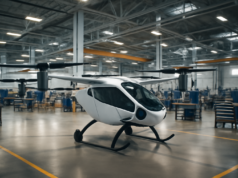
Archer’s modular aircraft design and focus on vertiport infrastructure have impressed regulators and potential operators alike. The company’s Midnight aircraft, designed for point-to-point urban transport, represents a practical approach to eVTOL commercialization. By addressing real-world operational constraints—such as noise levels, energy efficiency, and vertiport compatibility—Archer has differentiated itself from competitors pursuing more experimental architectures.
Certification in 2027 remains a realistic target for Archer, with potential commercial operations beginning shortly thereafter. If achieved, this milestone would represent a watershed moment for the industry, proving that electric air taxi operations can be safely integrated into existing airspace. Such validation could trigger a broader wave of institutional investment and operator commitments across the sector.
Market Dynamics and Competitive Positioning
The eVTOL landscape has consolidated significantly over the past year, with some companies deprioritizing passenger operations or pivoting to cargo-focused models. Archer’s dual focus on both mobility and logistics partnerships positions the company to capture value from multiple revenue streams. The company has secured agreements with major ride-sharing platforms and explored connections with last-mile delivery operators.
Archer’s advantage lies in its customer-centric design philosophy and focus on operator economics. Unlike competitors emphasizing technological “moonshots,” Archer has engineered its aircraft around practical constraints: certification timelines, infrastructure requirements, and profitability at scale. This pragmatic approach has resonated with potential operators and investors seeking near-term deployment pathways.
Recent industry partnerships and framework agreements have provided Archer with operational experience and real-world feedback. Collaboration with existing aviation service providers, urban planners, and transportation authorities has accelerated the company’s understanding of regulatory requirements and market needs. These relationships will prove invaluable as commercial operations approach.
Investment Outlook and Recovery Catalysts
Several near-term catalysts could reignite investor interest in Archer Aviation stock. FAA certification announcements, expanded operator agreements, or government contracts supporting urban air mobility infrastructure would provide tangible proof of progress. Additionally, successful test flights demonstrating performance metrics or noise compliance could shift market sentiment.
The broader macroeconomic environment also influences eVTOL sector recovery. As interest rates stabilize and growth stocks regain favor, emerging aerospace companies with clear paths to revenue may attract renewed institutional investment. Archer’s established order backlog and pre-revenue customer commitments provide a foundation for investor confidence as capital markets reassess aerospace opportunities.
Long-term, Archer’s success depends on executing its certification roadmap and demonstrating operational reliability. The company’s recent stock decline may represent an attractive entry point for investors bullish on urban air mobility adoption within the next 3-5 years. Market recovery in the sector often follows technology validation milestones, suggesting that certification could trigger significant appreciation.
Industry Implications and Future Trajectory
Archer Aviation’s recovery—or further decline—will have outsized importance for the entire eVTOL ecosystem. As one of the most advanced companies pursuing FAA certification, Archer’s progress serves as a bellwether for the viability of urban air mobility as a business model. Investors and operators are watching closely to see whether the company can transition from development to commercial operations successfully.
The shift in momentum reflects growing confidence that eVTOL certification and operations are achievable within realistic timelines. Regulators have demonstrated willingness to engage constructively with manufacturers, and infrastructure investment at local and federal levels suggests genuine commitment to urban air mobility deployment. Archer’s positioning within this evolving landscape positions it to benefit from these tailwinds.
As the personal air mobility industry matures, companies that successfully navigate certification, secure operator commitments, and demonstrate operational reliability will emerge as clear winners. Archer Aviation’s recent stock volatility, while concerning in the short term, may ultimately represent a buying opportunity for investors with conviction in the company’s ability to execute. The next 12-18 months will likely prove decisive for the company’s trajectory and the broader eVTOL sector.
Key Takeaways
- Archer Aviation’s stock decline last month reflects broader eVTOL market volatility, but regulatory progress and operator partnerships suggest recovery potential
- FAA certification milestones and successful test demonstrations represent near-term catalysts that could reignite investor confidence and trigger significant stock appreciation
- As a leading contender in urban air mobility certification, Archer’s execution on commercial operations will set the tone for industry-wide adoption and investment recovery
The personal air mobility sector stands at an inflection point. Archer Aviation’s ability to move from development to commercial operations will determine not only its own future but the trajectory of the entire eVTOL industry. While recent stock performance has been disappointing, the fundamental drivers of industry growth—regulatory approval, operator demand, and infrastructure investment—remain intact and strengthening.