
HIGHLIGHTS
- Florida will begin active testing of electric vertical takeoff and landing (eVTOL) aircraft by the end of 2026, signaling accelerated commercialization of flying cars in the US.
- Gov. DeSantis’ announcement positions Florida as a leader in personal air mobility regulation and infrastructure development ahead of national FAA certification timelines.
- The aggressive testing timeline indicates growing confidence in eVTOL technology maturity and potential near-term integration into urban and regional air transportation networks.
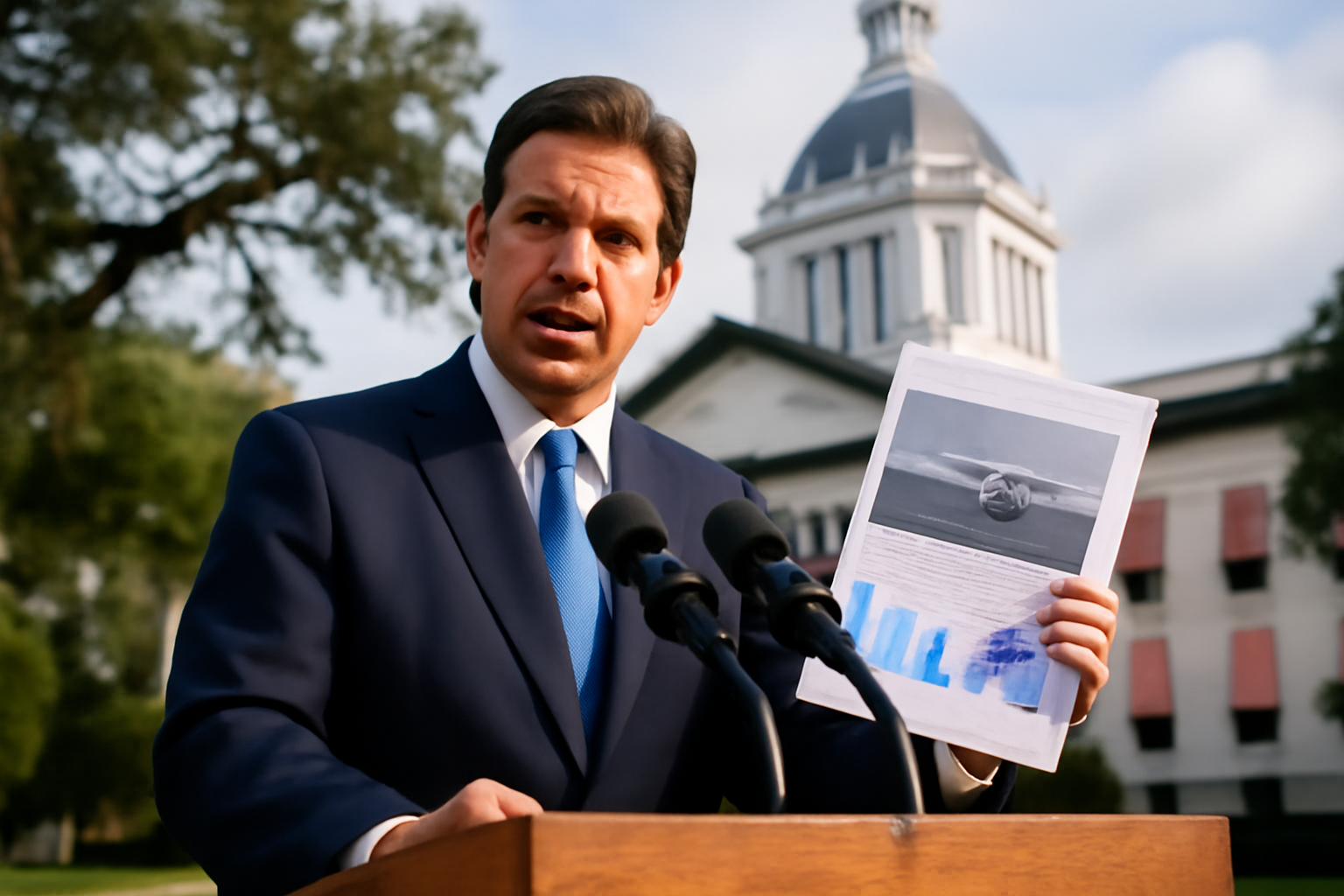
In a significant milestone for the personal air mobility industry, Florida Governor Ron DeSantis announced that the state will actively test electric vertical takeoff and landing (eVTOL) aircraft by the end of 2026. This ambitious timeline accelerates the commercialization of flying cars in the United States and positions Florida as a pioneering hub for autonomous aerial vehicle development and regulation. The announcement reflects growing confidence in eVTOL technology maturity and the regulatory framework necessary to support safe, practical urban air mobility operations.
The Road to Florida’s eVTOL Testing Program
Florida’s commitment to eVTOL testing emerges from years of industry collaboration between state officials, aviation authorities, and emerging air mobility companies. The Sunshine State has invested significantly in drone and autonomous vehicle infrastructure, making it an ideal testbed for next-generation aviation technologies. DeSantis’ announcement builds on Florida’s existing reputation as a technology-forward state, home to multiple aerospace research initiatives and private eVTOL developers.
The accelerated timeline reflects broader momentum across the United States, where the Federal Aviation Administration (FAA) has been developing regulatory frameworks for eVTOL operations. Florida’s decision to launch active testing by late 2026 demonstrates state-level confidence that critical technical and safety standards will be established well before widespread commercial deployment. This proactive approach allows Florida to gather real-world operational data while supporting the federal certification process.
Several factors have enabled Florida to move forward with such an ambitious testing schedule. The state’s favorable climate allows year-round flight operations, reducing seasonal testing limitations. Additionally, Florida’s diverse geography—from urban centers to coastal regions and rural areas—provides a comprehensive testing environment that can validate eVTOL performance across different operational scenarios. The state’s established aviation infrastructure and experienced workforce also support rapid program development and execution.
What eVTOL Testing Means for Urban Air Mobility
Active testing of eVTOL aircraft represents a critical transition from prototype development to real-world operational validation. These tests will evaluate not only the aircraft themselves but also ground infrastructure, traffic management systems, communication protocols, and emergency response procedures. By conducting comprehensive testing in a controlled yet realistic environment, Florida can help establish best practices that other states and nations may adopt as personal air mobility becomes more widespread.
The testing program will likely focus on several key performance areas: passenger safety and comfort, noise and environmental impact, energy efficiency and charging infrastructure, and integration with existing air traffic control systems. eVTOL aircraft designed for urban environments must meet stringent requirements for reliability, redundancy, and fail-safe operation. Florida’s testing initiative will help validate that current eVTOL designs can meet these demanding standards in real operational conditions.
Beyond technical validation, the testing program serves as a crucial public relations and confidence-building initiative. As communities worldwide grapple with the prospect of electric aircraft flying overhead, demonstrating successful, safe eVTOL operations in Florida can help normalize the technology and reduce public anxiety. DeSantis’ public announcement signals that the state is committed to transparent, community-informed development of air mobility infrastructure, a factor that will be essential for long-term public acceptance.
Regulatory Pathways and FAA Coordination
Florida’s testing timeline aligns strategically with the FAA’s expected eVTOL certification pathways. The agency has been developing Special Conditions and Design Standards for electric aircraft over the past several years, with several manufacturers expected to submit for Part 23 certification (for small aircraft) or specialized eVTOL-specific regulations by 2025-2026. Florida’s active testing program can operate in parallel with federal certification efforts, generating valuable data that informs both state and federal regulatory decisions.
Coordination between Florida state aviation authorities and the FAA will be essential to the program’s success. The FAA maintains ultimate authority over airspace usage and aircraft certification, while Florida can support testing operations through infrastructure development, local airspace coordination, and streamlined state-level permitting. This collaborative approach allows for faster innovation cycles while maintaining strict safety and regulatory standards.
The testing program will likely operate under special FAA exemptions or waivers, allowing eVTOL aircraft to fly with approved operators and safety monitoring in designated areas. These exemptions represent a proven pathway for introducing novel aircraft types into the American airspace system. By successfully executing an eVTOL testing program, Florida strengthens the regulatory case for broader eVTOL deployment, potentially accelerating the timeline for commercial air taxi services and cargo delivery operations across the United States.
Economic and Infrastructure Implications
Florida’s entry into active eVTOL testing has substantial economic implications for the state and the aviation industry. The testing program will generate jobs for engineers, technicians, flight crews, and support personnel. Additionally, companies developing eVTOL infrastructure—charging stations, vertiport facilities, traffic management software—will view Florida as a priority market. This economic activity could establish Florida as a hub for air mobility innovation, attracting talent and investment similar to how the state has positioned itself in space technology.
Infrastructure development will be a significant component of the testing initiative. eVTOL aircraft require specialized ground facilities, including vertiports or landing pads equipped with charging infrastructure, passenger facilities, and weather monitoring systems. Florida’s commitment to testing these aircraft implies parallel investment in vertiport development and urban air mobility infrastructure. This infrastructure, once established, can support the transition from testing to commercial air taxi services.
The economic benefits extend to tourism and hospitality sectors as well. Imagine flying from Miami International Airport directly to beachfront hotels or theme parks via eVTOL aircraft—a scenario that becomes increasingly plausible as testing validates operational feasibility. Early adoption of air mobility services could provide Florida with a competitive advantage in attracting affluent travelers and business visitors, further strengthening the state’s economy.
Challenges and Key Takeaways
Critical Success Factors for Florida’s eVTOL Initiative
- Establishing robust safety protocols and redundancy systems that meet or exceed FAA certification standards for passenger aircraft
- Developing comprehensive airspace management solutions that integrate eVTOL operations with existing helicopter traffic and controlled airspace procedures
- Building public confidence through transparent communication about testing results, safety measures, and long-term commercialization timelines
Florida’s announcement of active eVTOL testing by the end of 2026 marks a pivotal moment in the personal air mobility timeline. By committing to this aggressive schedule, Governor DeSantis signals that electric vertical takeoff and landing technology has matured sufficiently to warrant real-world validation at scale. The testing program will generate critical data on operational feasibility, safety, and regulatory requirements while positioning Florida as a leader in the emerging air mobility economy. As other states and nations watch Florida’s progress, the success of this initiative could catalyze global adoption of eVTOL aircraft, fundamentally transforming urban transportation within the next decade.