HIGHLIGHTS
- Archer expands beyond air taxis into autonomous eVTOL services, targeting cargo delivery, medical transport, and last-mile logistics markets.
- Boeing’s backing strengthens Archer’s competitive position with aerospace expertise, regulatory knowledge, and industry credibility.
- Autonomous systems eliminate pilot costs, enabling economically viable business models and accelerating industry commercialization.
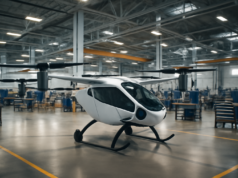
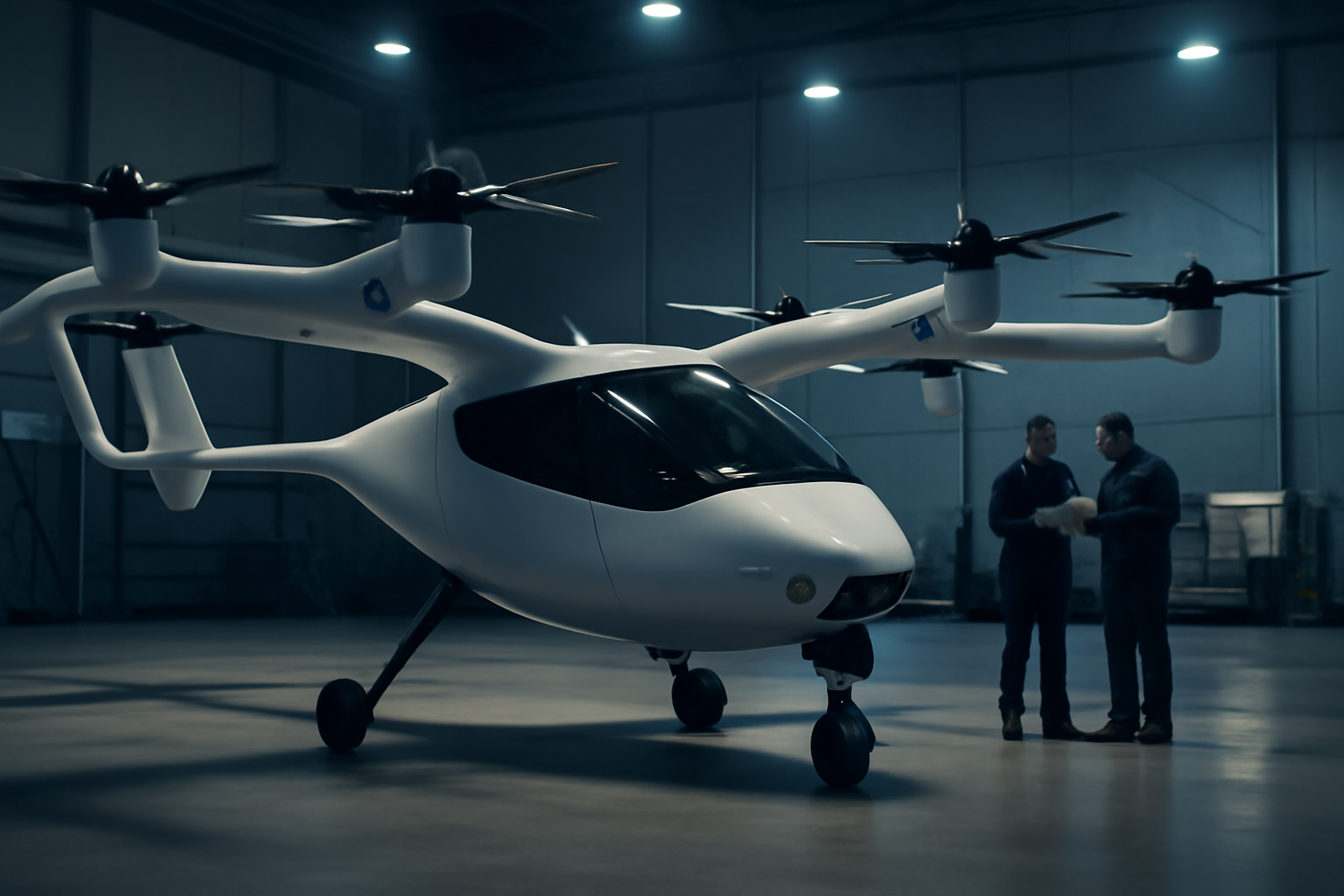
Archer Aviation has taken a significant step beyond its core air taxi operations with a strategic expansion through its Boeing partnership. The company now ventures into autonomous eVTOL capabilities, marking a pivotal shift in its business strategy and product portfolio. This development underscores the growing demand for diverse applications within the urban and regional air mobility sector, extending far beyond passenger transport.
Boeing Partnership: A Game-Changer for Archer
The collaboration between Archer and Boeing represents a convergence of two major players in aerospace and aviation technology. Boeing’s expertise in aircraft manufacturing, systems integration, and supply chain management provides Archer with invaluable resources to accelerate its autonomous eVTOL development. This partnership validates Archer’s vision and provides the capital and technical support necessary to scale beyond initial air taxi operations.
Boeing’s involvement signals strong confidence in the eVTOL market’s maturity and growth potential. The aerospace giant’s commitment demonstrates that autonomous electric vertical takeoff and landing vehicles are no longer speculative technology but a critical component of future aviation infrastructure. By backing Archer’s autonomous initiatives, Boeing positions itself as a leader in the next generation of mobility solutions.
The partnership also addresses a key challenge in the eVTOL industry: integrating autonomous systems with regulatory frameworks and safety standards. Boeing’s experience navigating complex certification processes with regulatory bodies like the FAA provides Archer with a critical advantage in bringing autonomous eVTOLs to market efficiently and safely.
Autonomous eVTOL: Expanding Market Opportunities
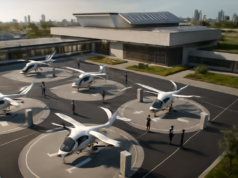
The shift toward autonomous eVTOL technology opens entirely new revenue streams and applications. While air taxi services focus on passenger transport in congested urban corridors, autonomous eVTOLs can serve cargo delivery, emergency medical transport, infrastructure inspection, and last-mile logistics. This diversification reduces Archer’s reliance on any single market segment and creates multiple pathways to profitability.
Autonomous technology fundamentally changes the economics of eVTOL operations. Without the need for a human pilot, operating costs decrease significantly, enabling viable business models in price-sensitive markets like urban delivery and logistics. This cost reduction is essential for achieving the scale required to make eVTOL services accessible to mainstream customers and enterprise clients.
Regulatory bodies are increasingly receptive to autonomous aviation operations under controlled conditions. The development of autonomous eVTOL systems by established aerospace companies like Boeing strengthens the regulatory pathway, providing reference standards and safety protocols that benefit the entire industry. Archer’s autonomous capabilities position the company favorably for emerging regulatory frameworks.
Competitive Positioning in a Crowded Market
The eVTOL market has become increasingly competitive, with companies like Joby, Lilium, and EHang pursuing similar air mobility goals. Archer’s expansion into autonomous systems creates differentiation in a field where multiple players pursue largely similar air taxi strategies. This technological advancement allows Archer to compete on capability and innovation, not just speed to market.
The Boeing relationship also provides marketing and credibility advantages. Boeing’s brand recognition and decades of aerospace leadership lend authority to Archer’s claims and technical capabilities. For enterprise customers, government agencies, and logistics companies evaluating eVTOL providers, Boeing’s backing represents a powerful endorsement and risk mitigation factor.
However, competition will intensify as other eVTOL manufacturers pursue autonomous capabilities. Companies must prove that their autonomous systems are not only technologically viable but also operationally efficient and cost-effective. Archer’s early entry into this space provides a first-mover advantage, though maintaining leadership requires continuous innovation and rapid commercialization.
Regulatory and Safety Implications
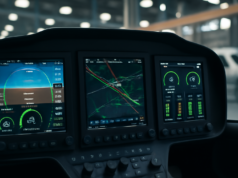
Autonomous eVTOLs present unique regulatory challenges that differ significantly from conventional air taxi operations. The Federal Aviation Administration and international aviation authorities must develop certification standards for autonomous flight systems, geofencing, sense-and-avoid technology, and emergency procedures. Boeing’s involvement suggests that these regulatory frameworks are being developed in collaboration with established aerospace players who understand certification requirements.
Safety is paramount in autonomous aviation systems. Unlike autonomous ground vehicles where failures typically result in property damage or minor injuries, autonomous aircraft failures could have catastrophic consequences. Archer and Boeing must demonstrate redundancy, fail-safe systems, and robust testing protocols. The stakes are high, but so are the rewards for companies that successfully navigate the regulatory landscape.
The success of Archer’s autonomous eVTOL initiative will likely set precedents for the entire industry. Regulators will scrutinize the technology and operations closely, and any safety incidents could significantly impact regulatory approval timelines for competitors. This responsibility underscores why established aerospace companies like Boeing are becoming essential partners in the eVTOL sector.
Market Timing and Industry Maturation
The expansion into autonomous eVTOL technology signals that the industry is moving beyond early prototype and demonstration phases toward commercialization. Market timing is critical—entering the autonomous segment too early risks wasting resources on premature technology, while entering too late risks losing market share to competitors. Archer’s current timeline suggests the company believes autonomous eVTOLs are approaching commercial viability.
Global urbanization and logistics demands continue to accelerate, creating genuine need for eVTOL services. Traffic congestion in major cities and e-commerce growth demand innovative last-mile solutions. Autonomous eVTOLs address both challenges without requiring the substantial pilot workforce that would be necessary for large-scale air taxi operations. This economic reality drives investment in autonomous technology regardless of technological hype.
The convergence of multiple factors—regulatory receptiveness, technological maturity, market demand, and capital availability—suggests eVTOL commercialization is transitioning from speculation to inevitability. Archer’s expansion into autonomous operations positions the company favorably for the next phase of industry development and growth.
Key Takeaways
- Archer’s autonomous eVTOL expansion diversifies revenue streams beyond air taxi services, targeting cargo, medical transport, and last-mile logistics applications.
- Boeing’s partnership strengthens Archer’s competitive positioning, providing aerospace expertise, certification knowledge, and brand credibility in a crowded market.
- Autonomous technology reduces operating costs by eliminating pilot requirements, enabling viable business models in price-sensitive markets and accelerating industry commercialization timelines.
Archer Aviation’s strategic pivot toward autonomous eVTOL technology marks a maturation of the personal air mobility industry. With Boeing’s support, the company expands beyond air taxis into applications with broader economic viability and market demand. As regulatory frameworks continue evolving and autonomous aviation capabilities improve, early movers like Archer will establish critical market advantages. The next few years will be decisive in determining which companies successfully commercialize autonomous eVTOL technology and capture the enormous market potential in urban and regional air mobility.