HIGHLIGHTS
- Future Flight Global launches intra-Florida air taxi operations using Pilatus PC-12 turboprops, establishing market validation before transitioning to electric aircraft.
- Florida’s fragmented population centers, distributed airport network, and regulatory environment create optimal conditions for regional air mobility expansion and revenue generation.
- Phased PC-12-to-electric transition strategy reduces technology execution risk while enabling immediate profitability and long-term sustainability alignment in emerging air taxi markets.
Future Flight Global has announced an ambitious plan to establish intra-Florida flights, positioning itself as a key player in the emerging personal air mobility sector. The company’s phased approach demonstrates a pragmatic strategy: launching operations with proven conventional aircraft before transitioning to electric propulsion systems. This methodical rollout reflects industry best practices, combining immediate service deployment with long-term sustainability goals.
The Pilatus PC-12: Proving Ground for Regional Air Mobility
Future Flight Global’s initial service will operate using Pilatus PC-12 aircraft, well-established turboprop-powered planes known for reliability and versatility across diverse terrain. The PC-12 platform provides several strategic advantages for launching regional air taxi operations, including proven performance metrics, established maintenance infrastructure, and regulatory familiarity among aviation authorities. This proven aircraft backbone allows the operator to focus on route optimization and customer service rather than aircraft certification challenges.
The selection of PC-12s demonstrates a rational approach to market entry. These single-engine turboprops can operate from shorter runways and unprepared surfaces, providing operational flexibility for Florida’s distributed airport network. The aircraft’s payload capacity and range make it well-suited for regional point-to-point flights, enabling Future Flight Global to establish viable routes before transitioning to next-generation electric vehicles.
By leveraging existing aircraft technology, Future Flight Global can rapidly scale operations and generate revenue while the broader industry matures electric propulsion capabilities. This bridge strategy has proven effective for other regional air mobility operators entering nascent markets, balancing innovation with operational feasibility.
Florida as a Strategic Launch Market for Air Mobility
Florida represents an ideal geographic market for regional air mobility expansion. The state’s geographic fragmentation, with multiple population centers separated by significant distances and congested ground transportation corridors, creates natural demand for point-to-point air connectivity. Miami, Tampa, Orlando, and smaller regional hubs form a network of potential flight corridors underserved by conventional commercial aviation.
The state’s relatively favorable regulatory environment and established aviation infrastructure provide additional advantages. Florida hosts numerous public and private airfields, minimizing certification barriers and enabling rapid network expansion. The state’s tourism economy, business travel demand, and distributed population centers collectively support viable demand for air taxi services across multiple route pairs.
Climate considerations also favor Florida as a launch market. While weather patterns present operational challenges, the state’s extended flying season compared to northern regions enables higher utilization rates and faster business model validation. Future Flight Global’s intra-Florida focus allows the company to master operational logistics, customer acquisition, and route optimization within a manageable geographic area before potential national or international expansion.
The Transition to Electric Aircraft: Timeline and Strategy
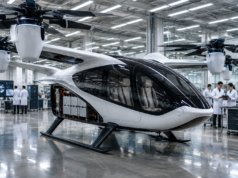
Future Flight Global’s phased approach includes a planned transition from PC-12s to electric aircraft, aligning with industry-wide momentum toward zero-emission regional aviation. This transition represents the company’s long-term vision, moving beyond conventional turboprop operations toward sustainable propulsion systems. The timeline and specific electric aircraft platforms remain strategic considerations as technology maturation accelerates across the eVTOL sector.
The electrification phase will require coordination across multiple domains: aircraft certification, infrastructure development (including charging networks), pilot training adaptations, and regulatory evolution. Future Flight Global’s initial revenue generation with PC-12s provides the financial foundation and operational expertise necessary to manage this technological transition effectively. This staged approach reduces execution risk while maintaining commitment to sustainability goals.
Electric propulsion offers significant advantages for regional air mobility: reduced operating costs per flight hour, eliminated emissions, lower noise signatures, and simplified maintenance requirements. As eVTOL and electric regional aircraft certifications progress through regulatory channels, operators like Future Flight Global positioned to scale can capture first-mover advantages in the electrified aviation market.
Market Implications and Competitive Positioning
Future Flight Global’s announcement signals increasing confidence in regional air mobility market viability and signals competitive intensity in the personal aviation sector. Multiple operators are pursuing similar geographic expansion strategies, with regional routes serving as primary revenue sources before network effects enable broader adoption. The company’s phased approach positions it competitively against both established regional carriers and emerging eVTOL operators.
The intra-Florida service announcement reflects broader industry trends: demand for point-to-point connectivity, customer willingness to adopt air mobility services, and operator confidence in near-term profitability. As multiple operators launch services simultaneously, competitive differentiation will depend on route coverage, pricing models, customer experience, and ultimately technology advancement toward electric propulsion.
Future Flight Global’s strategy demonstrates that successful air mobility operators must balance immediate operational demands with long-term technological vision. By establishing cash-generating PC-12 services while preparing electric aircraft integration, the company positions itself for sustained growth across multiple technology generations and market cycles.
Key Takeaways from Future Flight Global’s Strategy
- Future Flight Global launches regional air taxi service in Florida using proven Pilatus PC-12 aircraft, establishing operational baseline before electric aircraft transition.
- Florida’s distributed population centers, established airport network, and favorable regulatory environment create ideal conditions for regional air mobility market validation.
- The phased PC-12-to-electric transition strategy balances immediate revenue generation with long-term sustainability commitments, reducing technology execution risk while building operational expertise.
Future Flight Global’s intra-Florida air service announcement represents a significant milestone in regional air mobility development. The company’s pragmatic phased approach—launching with proven PC-12s while building infrastructure and expertise for electric aircraft operations—demonstrates how operators can balance market entry requirements with sustainability goals. As the personal air mobility sector matures, such strategic planning will increasingly differentiate successful operators from those unable to manage the complex transition between legacy and next-generation aviation technologies. Florida’s geographic and regulatory advantages position it as a critical proving ground for business models that will eventually reshape regional transportation across North America.