HIGHLIGHTS
- Google is testing autonomous drone delivery for medical supplies across Lake Champlain, a 120-mile lake separating Vermont, New York, and Quebec
- Over-water autonomous flight demands advanced sensor fusion, redundant systems, and fail-safe protocols to manage extended missions without emergency landing zones
- Successful deployment could revolutionize rural healthcare logistics, delivering critical blood products and medications to remote facilities in minutes rather than hours
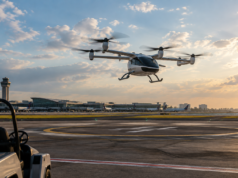
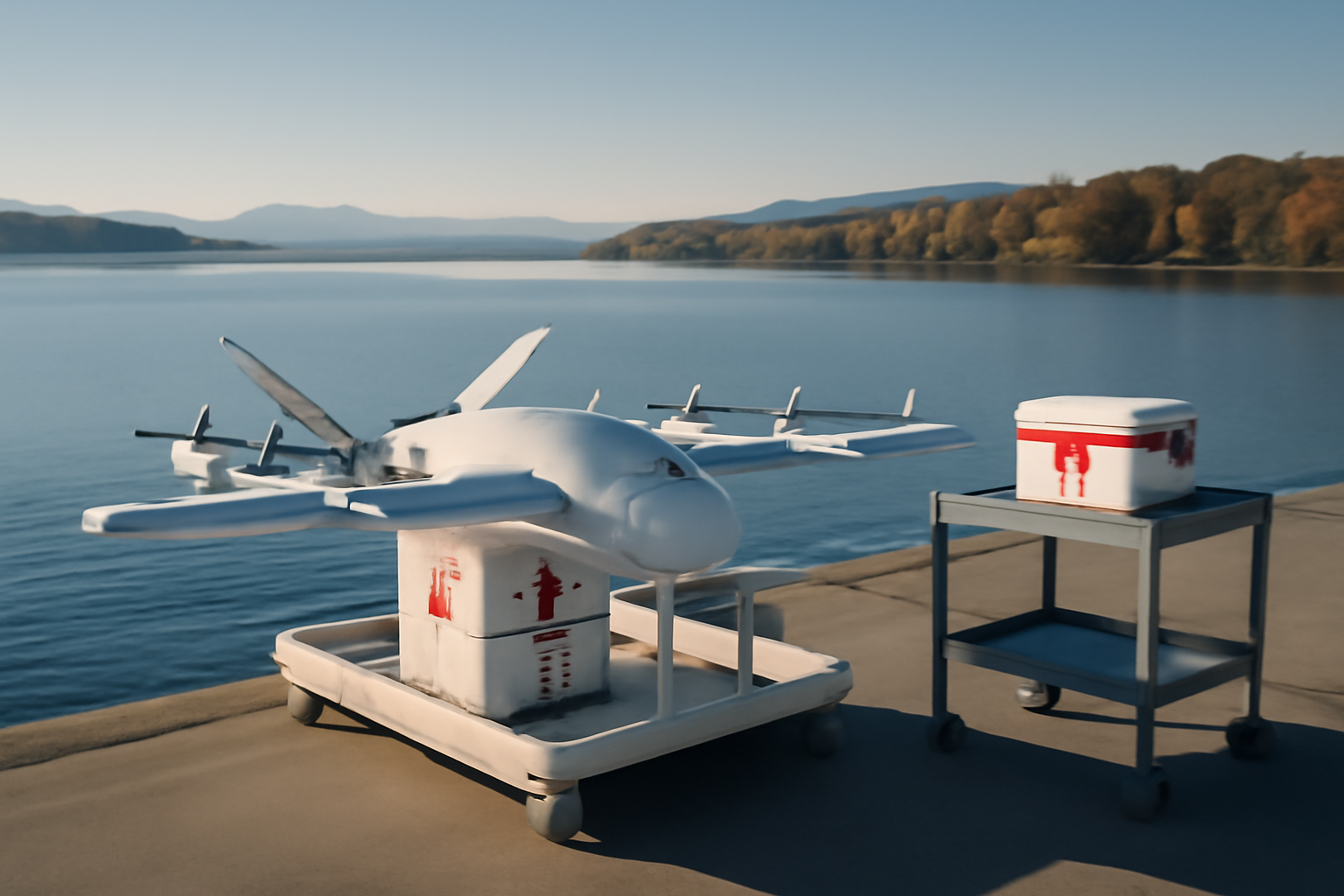
Google is making headlines in the medical logistics space with an ambitious new initiative to deliver critical medical supplies via autonomous drones across Lake Champlain. This groundbreaking project represents a significant step forward in proving that eVTOL and drone technology can serve essential humanitarian purposes beyond commercial delivery. The company is currently in the testing phase, working to establish viable flight corridors and operational protocols that could transform how emergency medical supplies reach remote or isolated areas.
The Lake Champlain Drone Delivery Initiative
Google’s focus on Lake Champlain—a 120-mile freshwater lake straddling Vermont, New York, and Quebec—makes strategic sense for medical supply delivery trials. The lake’s expanse presents unique challenges and opportunities for drone autonomy testing, including extended over-water navigation, variable weather conditions, and the need for precise landing zones. By selecting this geography, Google is deliberately testing its technology in one of the most demanding real-world scenarios possible, rather than relying solely on controlled testing environments.
The medical supplies being considered for delivery include time-sensitive items such as blood products, medications, laboratory samples, and diagnostic equipment. These supplies often face significant transportation challenges in regions where ground infrastructure is limited or where rapid delivery can mean the difference between life and death. Lake Champlain’s geographic position makes it an ideal testbed for routes connecting rural hospitals, clinics, and emergency response facilities on both sides of the lake.
Google’s approach reflects a broader industry trend toward practical, mission-critical applications for autonomous aircraft. Rather than focusing solely on passenger transport or recreational delivery, the company is positioning drones as essential infrastructure for healthcare systems. This strategic positioning could accelerate regulatory approval and public acceptance, as stakeholders recognize the life-saving potential of the technology.
Technical Challenges and Solutions
Over-water autonomous flight presents distinct technical hurdles that Google must overcome. Extended flights across a large body of water eliminate safe landing zones in case of emergency, requiring redundant navigation systems, fail-safe battery management, and weather-adaptive flight algorithms. The company is developing sophisticated sensor fusion technology that combines GPS, LiDAR, and computer vision to maintain precise positioning across the 15-20+ mile crossing distances the Lake Champlain route may involve.
Weather variability around the lake adds another layer of complexity. Lake-effect conditions, sudden wind shears, and microburst events can emerge rapidly and unpredictably. Google’s testing phase will generate critical data on how its autonomous systems respond to these real-world meteorological challenges, information that will be invaluable for future deployments in similar geographic regions worldwide. The company is investing in predictive weather modeling that feeds directly into flight planning algorithms.
Battery management and range optimization are paramount for medical supply drones operating across water. Unlike ground-based delivery where vehicles can simply pull over to recharge, airborne systems must ensure sufficient energy reserves for the entire mission plus adequate safety margins. Google is likely leveraging advances in lightweight battery chemistry and aerodynamic design to maximize payload capacity while maintaining the range necessary for Lake Champlain crossings without intermediate refueling stops.
Regulatory Landscape and Approvals
Operating autonomous aircraft across international borders—Lake Champlain separates the United States from Canada—requires coordination with multiple regulatory bodies. Google must work with the Federal Aviation Administration (FAA), Transport Canada, and potentially additional state and provincial authorities to establish the legal framework for these operations. The deliberate nature of this testing phase suggests the company is simultaneously gathering safety data and building regulatory relationships that will support broader deployment.
The medical nature of the cargo elevates regulatory scrutiny. Healthcare logistics fall under both aviation regulations and medical supply chain governance, creating a complex compliance environment. However, this complexity also presents an opportunity: successful navigation of these requirements positions Google’s technology as enterprise-grade and thoroughly vetted, potentially unlocking faster approval pathways for subsequent applications.
Previous successful drone delivery programs in other regions—such as the UPS Flight Forward operations or Wing Delivery initiatives—provide precedent that regulators are willing to approve medical supply drones when safety standards are met. Google can reference these programs while demonstrating how its Lake Champlain testing exceeds existing safety benchmarks, potentially accelerating the approval timeline.
Impact on Emergency Healthcare and Rural Medicine
The implications of successful medical drone delivery extend far beyond Lake Champlain. Rural and remote healthcare facilities consistently face challenges obtaining time-sensitive medical supplies, with transportation costs and delivery delays impacting patient outcomes. If Google’s system proves viable, it could become a template for healthcare systems worldwide seeking to overcome geographic isolation. Emergency rooms could access critical blood products, medications, and diagnostic materials within minutes rather than hours or days.
The economic benefits are equally compelling. Autonomous drone delivery eliminates fuel costs, pilot compensation, and vehicle maintenance associated with traditional helicopter or ground transport. These savings could be redirected to patient care or used to justify service expansion to even more remote regions. For hospitals operating in economically constrained environments, drone delivery might transform from a luxury to a standard service component.
Perhaps most importantly, lives hang in the balance. In cardiac emergencies, stroke cases, and trauma scenarios, every minute counts. A drone system capable of delivering specialized medications or blood products across previously impassable geography could directly improve survival rates and reduce long-term disability in patient populations currently underserved by existing logistics infrastructure.
Key Implementation Considerations
- Integration with existing hospital supply chain systems and inventory management protocols
- Specialized packaging and containment requirements for medical cargo in flight conditions
- Establishing cost-sharing models and reimbursement frameworks with healthcare payers
- Training clinical staff on drone-based supply coordination and emergency procedures
- Cybersecurity measures protecting sensitive patient data during autonomous logistics operations
Google’s Lake Champlain medical drone initiative represents more than a technology demonstration—it’s a proof of concept for how autonomous aircraft can address urgent real-world needs. As the testing phase progresses, the company will generate invaluable data on system reliability, regulatory pathways, and operational integration with healthcare institutions. Success in this ambitious undertaking could catalyze a wave of medical drone deployments globally, fundamentally transforming emergency logistics and rural healthcare access. The stakes are high, the technical challenges formidable, and the potential human impact profound.