
HIGHLIGHTS
- Thailand is developing a dedicated regulatory framework for electric air taxi operations, addressing aircraft certification, operator licensing, pilot training, and safety standards.
- The framework tackles infrastructure challenges including vertiport development, airspace integration, air traffic management systems, and urban noise mitigation for eVTOL services.
- Thailand’s regulatory approach positions it as a regional leader, attracting international eVTOL manufacturers and creating economic opportunities through tourism applications and maintenance services.
Thailand is taking significant steps to establish itself as a regional leader in electric air mobility by preparing a comprehensive regulatory framework specifically designed for electric air taxis (eVTOLs). This development marks an important milestone for Southeast Asia, as the nation works to adapt its aviation infrastructure and governance systems to accommodate this emerging transportation technology. The framework aims to balance innovation with safety, environmental sustainability, and operational feasibility in urban environments.
Thailand’s Strategic Position in Regional Air Mobility
Southeast Asia represents one of the most dynamic and rapidly urbanizing regions in the world, with megacities like Bangkok facing severe traffic congestion and transportation challenges. Thailand, as a regional economic hub, recognizes that electric air taxis could revolutionize urban commuting and provide a sustainable alternative to ground-based transportation. By developing this framework now, Thailand is positioning itself ahead of competitors and creating an attractive ecosystem for eVTOL manufacturers and operators to establish operations.
Bangkok’s dense urban landscape and growing population make it an ideal testbed for electric air taxi operations. The city’s infrastructure challenges, including limited road capacity and increasing pollution concerns, create compelling incentives for implementing innovative transportation solutions. Thailand’s proactive approach demonstrates governmental commitment to sustainable urban development and positions the country as a forward-thinking market for emerging mobility technologies.
The framework development also reflects Thailand’s broader economic strategy to attract tech-forward companies and investments. By establishing clear regulatory pathways for eVTOL operations, the nation can capitalize on first-mover advantages and become a regional center for air mobility innovation, research, and commercialization. This positions Thailand alongside other leading nations pioneering urban air mobility integration.
Regulatory Framework Components and Requirements
Thailand’s electric air taxi framework addresses multiple critical dimensions of eVTOL operations, including airspace management, vehicle certification, operator licensing, and passenger safety standards. The regulatory approach builds upon existing aviation authority structures while introducing new categories and procedures tailored specifically to the unique characteristics of electric vertical takeoff and landing aircraft. This comprehensive approach ensures that operations remain safe while enabling the growth of the industry.
A central component of the framework involves establishing certification standards for eVTOL aircraft operating within Thai airspace. These standards must address aircraft design, performance specifications, noise emissions, battery safety, and electromagnetic compatibility. Regulators are working to harmonize these requirements with international aviation standards while accommodating the unique technological characteristics of electric propulsion systems. This approach facilitates potential future international cooperation and cross-border operations in Southeast Asia.
The framework also establishes operator licensing requirements, pilot training protocols, and operational procedures for electric air taxi services. These regulations ensure that only qualified personnel manage eVTOL operations and that service providers maintain rigorous safety and maintenance standards. Training curricula specifically address the distinctive handling characteristics of electric aircraft and emergency procedures relevant to battery-powered propulsion systems.
Infrastructure and Airspace Integration Challenges
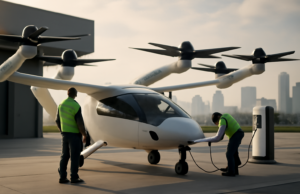
Implementing electric air taxi services in Thailand requires significant coordination between civil aviation authorities, urban planners, and telecommunications regulators. The framework addresses critical infrastructure requirements, including the development of vertiport facilities in urban areas, charging stations, and maintenance hangars. Authorities must balance the need for accessible passenger facilities with urban land constraints and noise considerations affecting surrounding communities.
Airspace integration presents another substantial challenge addressed by Thailand’s framework. The country must develop traffic management systems, communication protocols, and airspace corridors that safely segregate eVTOL operations from traditional aircraft, helicopters, and other airborne activities. This requires advanced air traffic management technology and coordination between multiple governmental agencies. Thailand is leveraging international best practices and emerging standards from other nations to develop effective solutions.
Environmental and noise considerations also feature prominently in the framework. While electric air taxis produce zero direct emissions, their operations generate noise that can affect urban residents. The regulations establish noise limits, operational windows, and flight path restrictions designed to minimize community impacts. These provisions ensure that the environmental benefits of electrification are not offset by quality-of-life concerns for Bangkok residents.
Economic Opportunities and Market Development
Thailand’s electric air taxi framework creates substantial economic opportunities for manufacturers, operators, technology providers, and service companies. The regulatory clarity encourages investment in eVTOL production facilities, maintenance operations, and pilot training centers. Companies considering Southeast Asian expansion now have a clearer pathway to market entry in one of Asia’s most strategically important nations.
The framework is expected to attract partnerships with international eVTOL manufacturers seeking to establish regional operations. Companies like Joby Aviation, Lilium, and other leading eVTOL developers may view Thailand as an attractive market for pilot programs, demonstration flights, and eventual commercial service launches. These collaborations would bring technology transfer, employment opportunities, and economic development to the region.
Tourism represents another significant opportunity sector. Thailand’s status as a major international tourist destination could benefit from premium air taxi services connecting major hotels, airports, and attractions. Electric air taxis could enhance visitor experiences while reducing ground transportation congestion. This application could serve as an early revenue driver for commercial eVTOL operations in Thai airspace.
Regional Leadership and International Implications
Thailand’s proactive stance on eVTOL regulation positions the nation as a regional leader in aviation innovation and sustainable transportation. Other Southeast Asian countries, including Vietnam, Indonesia, and Malaysia, may look to Thailand’s framework as a model for their own regulatory development. This creates potential for harmonized standards across the region, facilitating future cross-border eVTOL operations and network effects.
International aviation organizations and eVTOL industry associations are monitoring Thailand’s regulatory approach with keen interest. The framework could contribute to global standards development and inform best practices for emerging markets entering the eVTOL sector. Thailand’s emphasis on safety, sustainability, and economic development provides a balanced model that other nations may adopt or adapt.
The timing of Thailand’s framework development aligns with critical industry milestones, as major eVTOL manufacturers approach commercial service launches globally. By establishing regulatory readiness now, Thailand positions itself to capitalize on international momentum and secure early-mover advantages in one of Southeast Asia’s most dynamic markets.
Key Takeaways from Thailand’s eVTOL Framework Initiative
- Thailand is developing a comprehensive regulatory framework specifically for electric air taxi operations, establishing certification standards, operator licensing, and safety requirements tailored to eVTOL technology characteristics.
- The framework addresses critical infrastructure needs including vertiport development, airspace integration, air traffic management systems, and noise mitigation strategies for urban operations.
- Thailand’s proactive regulatory approach attracts international eVTOL manufacturers and creates economic opportunities through tourism applications, maintenance services, and pilot training centers, positioning the nation as a Southeast Asian leader in air mobility innovation.
Thailand’s preparation of an electric air taxi framework represents a significant step forward for Southeast Asian air mobility and demonstrates the region’s commitment to sustainable urban transportation solutions. By establishing clear regulatory pathways before commercial services launch, Thailand creates conditions for safe, responsible growth of the eVTOL industry. As other nations and cities worldwide pursue similar regulatory initiatives, Thailand’s approach offers valuable lessons in balancing innovation with safety, environmental protection, and economic development. The framework sets the stage for Thailand to become a regional hub for electric air taxi operations and a model for emerging markets entering this transformative transportation sector.