
HIGHLIGHTS
- Lilium and NetJets announce a landmark 150-aircraft eVTOL order, the largest commercial commitment to electric aviation to date, validating the technology’s readiness for large-scale deployment.
- NetJets’ partnership accelerates vertiport infrastructure development and regulatory certification timelines, leveraging the company’s established relationships with aviation authorities and airports globally.
- The deal positions premium air mobility as an imminent business reality, with electric aircraft set to transform luxury travel and regional transportation within the coming years.
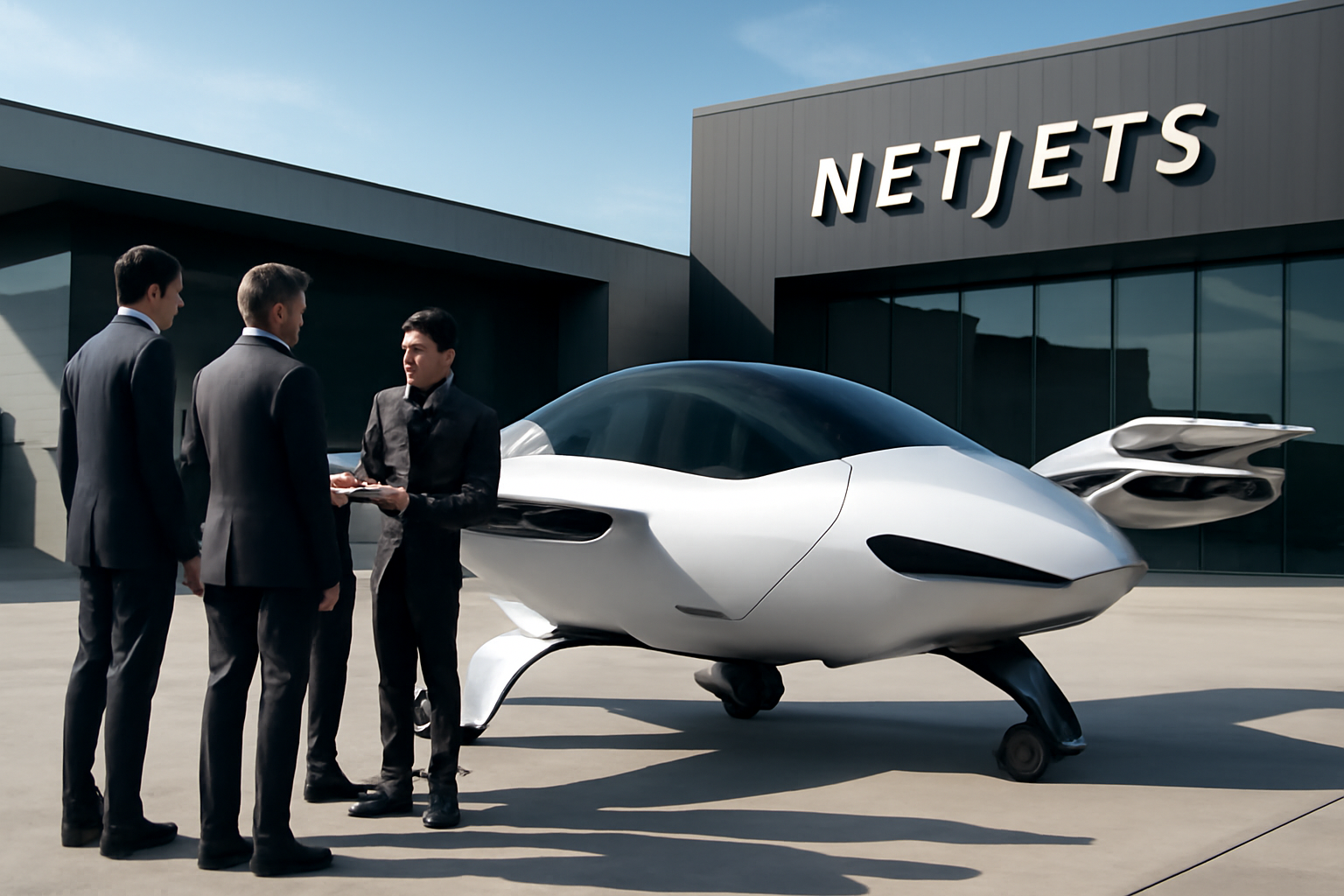
The electric vertical takeoff and landing (eVTOL) industry has reached a pivotal milestone with Lilium’s announcement of a landmark partnership with NetJets, one of the world’s largest fractional aircraft ownership companies. The deal, which calls for 150 Lilium eVTOL aircraft to be integrated into NetJets’ fleet, represents one of the most significant commercial commitments to electric aviation to date and demonstrates growing confidence in the viability of air mobility solutions at scale.
Lilium and NetJets: A Strategic Alliance for Electric Aviation
The partnership between Lilium and NetJets represents a convergence of two major forces in aviation: cutting-edge electric propulsion technology and established luxury air travel infrastructure. NetJets, with its decades of experience operating a global network of aircraft and serving high-net-worth individuals, brings operational expertise, regulatory relationships, and an existing customer base that can immediately adopt electric aviation services. Lilium, as a leading eVTOL manufacturer, contributes advanced aircraft design, battery technology, and the manufacturing capacity to fulfill this unprecedented order.
This alliance is particularly significant because it moves eVTOL adoption beyond theoretical discussions and pilot programs into real-world commercial operations. NetJets’ commitment to 150 aircraft signals that the company sees electric aviation not as a distant possibility but as an imminent business reality that will reshape premium air transportation. The partnership validates years of investment and development by Lilium, providing the company with a major customer anchor and a clear path to profitability.
The deal also underscores a broader industry trend: established aviation companies are increasingly hedging their bets on electric technology. Rather than waiting to see if eVTOL adoption materializes organically, companies like NetJets are proactively positioning themselves as first movers in the electric aviation space, ensuring they maintain market leadership as consumer preferences and regulatory frameworks evolve.
Market Impact and Commercial Implications
The Lilium-NetJets deal sends powerful signals to investors, regulators, and potential customers worldwide. A 150-aircraft order from one of the aviation industry’s most respected companies provides external validation that eVTOL technology has reached the necessary maturity levels for large-scale commercial deployment. This kind of institutional backing can accelerate certification timelines, encourage additional orders from competing operators, and increase public confidence in electric aviation safety and reliability.
From a financial perspective, the order represents substantial revenue for Lilium at a critical juncture in the company’s development. The funding from such a large order can be deployed toward manufacturing facilities, supply chain optimization, workforce expansion, and continued research and development. For NetJets, the move positions the company as a premium provider in the emerging air mobility space, allowing it to capture market share in a new category of transportation before competitors can establish themselves.
The partnership also has implications for the broader eVTOL ecosystem. A successful Lilium-NetJets relationship can create demonstration effects that encourage other fractional ownership companies, charter operators, and legacy airlines to explore eVTOL partnerships. Additionally, the large order may encourage suppliers of batteries, electric motors, avionics, and other components to invest in scaling production, which benefits the entire industry through reduced component costs and faster supply chain maturation.
Regulatory and Infrastructure Considerations
One of the most critical aspects of the Lilium-NetJets deal is what it implies for regulatory approval and infrastructure development. For 150 aircraft to enter active service, Lilium’s eVTOL design must receive certification from aviation authorities in key markets, including the U.S. Federal Aviation Administration (FAA) and the European Union Aviation Safety Agency (EASA). NetJets’ partnership suggests confidence that these certifications will be achieved within reasonable timeframes, though exact approval dates remain subject to regulatory processes.
Beyond certification, the deployment of 150 eVTOL aircraft requires a network of vertiports—facilities designed specifically for electric aircraft operations. NetJets will need to work with airports, real estate developers, and municipal governments to establish vertiports in major metropolitan areas and high-traffic routes. This infrastructure development is one of the most significant challenges facing the air mobility industry, and the company’s partnership with Lilium demonstrates a commitment to solving these logistical hurdles.
The deal also raises questions about how traditional airspace will be managed as eVTOL traffic increases. Aviation authorities will need to develop new procedures for low-altitude operations, noise management, safety protocols, and integration with existing air traffic control systems. NetJets’ existing relationships with aviation regulators globally position the company well to navigate these regulatory complexities and potentially help shape the emerging regulatory frameworks for eVTOL operations.
The Future of Premium Air Mobility
The Lilium-NetJets partnership offers a glimpse into what premium air mobility might look like in the near future. With 150 aircraft deployed globally, NetJets will be able to offer customers a new class of services: faster point-to-point urban and regional transportation with the luxury and convenience that the company’s brand represents. Electric aircraft will be quieter and more environmentally friendly than traditional jets, which aligns with increasing demand from high-net-worth individuals for sustainable luxury experiences.
For passengers, the implications are transformative. Journeys that currently require commercial flights or long drives could be completed in electric aircraft at speeds comparable to traditional jets but with reduced environmental impact and greater flexibility. The partnership suggests that within a few years, premium air mobility services could become a realistic alternative for business travel, luxury tourism, and regional transportation across major markets.
The broader vision extends beyond NetJets and Lilium. Success in this partnership will likely inspire similar agreements between other eVTOL manufacturers and established aviation operators. As the ecosystem matures and costs decrease through production scaling, electric aviation services may eventually become accessible beyond ultra-high-net-worth segments, fundamentally reshaping regional transportation networks globally.
Key Takeaways from the Partnership
- Lilium and NetJets’ 150-aircraft order represents the largest commercial eVTOL commitment to date, validating electric aviation’s readiness for large-scale deployment and signaling confidence from a major aviation operator in the technology’s viability.
- The partnership accelerates regulatory timelines and infrastructure development, as NetJets’ existing relationships with aviation authorities and airports provide a pathway for Lilium aircraft certification and vertiport expansion across major markets.
- The deal positions NetJets as a first-mover in premium electric air mobility, creating potential competitive advantages while demonstrating that established aviation companies view eVTOL technology as an imminent business opportunity rather than a distant possibility.
The Lilium-NetJets partnership marks a turning point for electric aviation. What was once a speculative technology pursued by well-funded startups is now attracting the commitment of industry-established players with the operational expertise, customer relationships, and financial resources to scale air mobility services globally. As these 150 aircraft enter service over the coming years, they will fundamentally reshape how premium travelers move between cities, offering a model that other operators will undoubtedly seek to replicate. The future of air mobility is electric, and this deal proves it’s arriving sooner than many anticipated.