HIGHLIGHTS
- Archer Aviation acquires Boeing’s Physical AI division to accelerate autonomous eVTOL technology development and secure competitive advantage in urban air mobility.
- Physical AI systems—integrating robotics, autonomous control, and machine learning—are critical for safe autonomous flight in complex urban airspace.
- The acquisition reflects industry consolidation and signals that autonomous capability will be the primary market differentiator for commercial eVTOL operators.
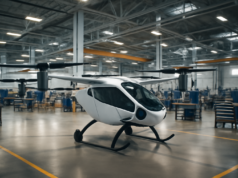
Archer Aviation has announced a strategic acquisition of Boeing’s Physical AI division, a landmark move that signals the convergence of autonomous systems and advanced aerospace engineering. This acquisition underscores the critical importance of artificial intelligence and robotics in the development of next-generation electric vertical takeoff and landing aircraft. By integrating Boeing’s Physical AI expertise, Archer positions itself as a leader in the automation and autonomy space for urban air mobility.
The Strategic Importance of Physical AI in Aviation
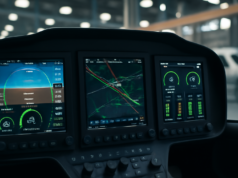
Physical AI represents a transformational technology that extends beyond traditional software-based systems. It encompasses robotics, autonomous control systems, and machine learning algorithms that enable aircraft to make real-time decisions in dynamic environments. For companies developing eVTOL aircraft, Physical AI is essential for ensuring safe autonomous operations in complex urban airspace where rapid decision-making is non-negotiable.
Boeing’s Physical AI division has been at the forefront of developing intelligent systems that combine perception, reasoning, and autonomous action. These capabilities are directly applicable to Archer’s mission of scaling electric vertical takeoff and landing operations. With this acquisition, Archer gains access to proven technologies and engineering expertise that have been refined across decades of aerospace innovation.
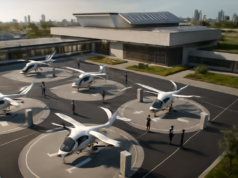
The integration of Physical AI into eVTOL platforms addresses one of the industry’s most pressing challenges: autonomous flight in congested airspace. As urban air mobility scales from dozens of flights to thousands daily, the need for sophisticated autonomous systems becomes paramount. Archer’s acquisition of Boeing’s Physical AI division positions the company to lead this transition.
Archer Aviation’s Vision for Autonomous eVTOL Operations
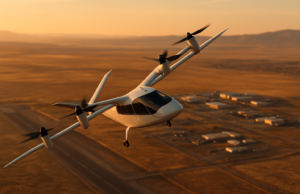
Archer has consistently prioritized automation and safety in its aircraft design philosophy. The company’s Midnight aircraft platform is engineered with advanced avionics and control systems that lay the groundwork for autonomous capabilities. By acquiring Boeing’s Physical AI expertise, Archer now has the technical foundation to accelerate autonomous eVTOL development beyond current industry timelines.
The acquisition strengthens Archer’s competitive position against other eVTOL manufacturers who are also racing to develop autonomous capabilities. Companies like Joby Aviation and Beta Technologies have invested heavily in autonomy research, but few have secured the kind of legacy aerospace AI expertise that Boeing represents. This strategic move demonstrates Archer’s commitment to building best-in-class autonomous systems from day one.
Autonomous eVTOL operations offer substantial benefits for urban air mobility operators, including reduced pilot workload, improved safety margins, and optimized flight paths. As regulators gradually open airspace for autonomous aircraft operations, companies with proven Physical AI systems will have a decisive advantage in capturing market share and securing certification pathways.
Boeing’s Physical AI Legacy and Innovation
Boeing’s Physical AI division has developed cutting-edge technologies in robotics, autonomous systems, and adaptive control. These innovations have been tested across commercial aviation, defense applications, and autonomous systems projects. By transitioning this division to Archer, Boeing demonstrates confidence in the eVTOL sector’s potential while allowing specialized teams to focus on emerging mobility solutions.
The sale of Boeing’s Physical AI division reflects broader industry trends where aerospace incumbents are strategically divesting specialized units to focused innovators. This approach allows startups like Archer to accelerate development cycles while established aerospace companies maintain exposure to future mobility markets through partnerships and investments.
Boeing’s engineers and researchers bring decades of institutional knowledge in safety-critical systems design, certification standards, and regulatory compliance. These soft assets are invaluable for Archer as the company navigates the path toward commercial certification and eventual autonomous operations approval from regulatory authorities like the FAA.
Implications for the eVTOL Industry and Market Growth
The Archer-Boeing Physical AI acquisition signals increasing consolidation and specialization within the eVTOL ecosystem. As the industry matures, companies that can combine advanced autonomous technology with efficient aircraft design will emerge as market leaders. This acquisition positions Archer as a potential category winner in the urban air mobility space.
For investors and industry observers, this move validates the thesis that autonomous capability is a critical differentiator in eVTOL markets. Companies without in-house autonomous systems expertise may face pressure to develop these capabilities through organic investment, acquisitions, or partnerships. The competitive landscape for eVTOL will increasingly be determined by autonomous capabilities rather than aircraft design alone.
Regulators are also watching this development closely. As Physical AI systems become more prevalent in aircraft design, aviation authorities will need to establish certification frameworks for autonomous eVTOL operations. Archer’s acquisition of Boeing’s expertise positions the company to work collaboratively with regulators on these standards, potentially shaping the regulatory environment for years to come.
Key Takeaways from the Archer-Boeing Acquisition
- Archer’s acquisition of Boeing’s Physical AI division accelerates autonomous eVTOL development and strengthens competitive positioning in the urban air mobility market.
- Physical AI technology—encompassing robotics, autonomous control, and machine learning—is essential for safe autonomous operations in complex urban airspace.
- The acquisition reflects industry consolidation trends and signals that autonomous capability will be a primary market differentiator for commercial eVTOL operators.
Archer Aviation’s strategic acquisition of Boeing’s Physical AI division represents a pivotal moment for the eVTOL industry. By combining innovative aircraft design with proven autonomous systems expertise, Archer is building a comprehensive platform for the future of urban air mobility. As regulations evolve and market demand grows, companies with advanced Physical AI capabilities will lead the transition toward safe, efficient, and autonomous aerial transportation networks. This acquisition demonstrates that the winners in eVTOL will be those who can master both hardware and intelligent systems integration.