
HIGHLIGHTS
- Yivtol achieves major milestone with first US ultralight eVTOL aircraft deliveries, successfully navigating FAA certification requirements.
- Ultralight eVTOL segment offers faster market entry and lower costs than passenger variants, generating immediate revenue and operational experience.
- Chinese manufacturer’s US success intensifies global eVTOL competition and validates commercial viability of electric vertical takeoff aircraft.
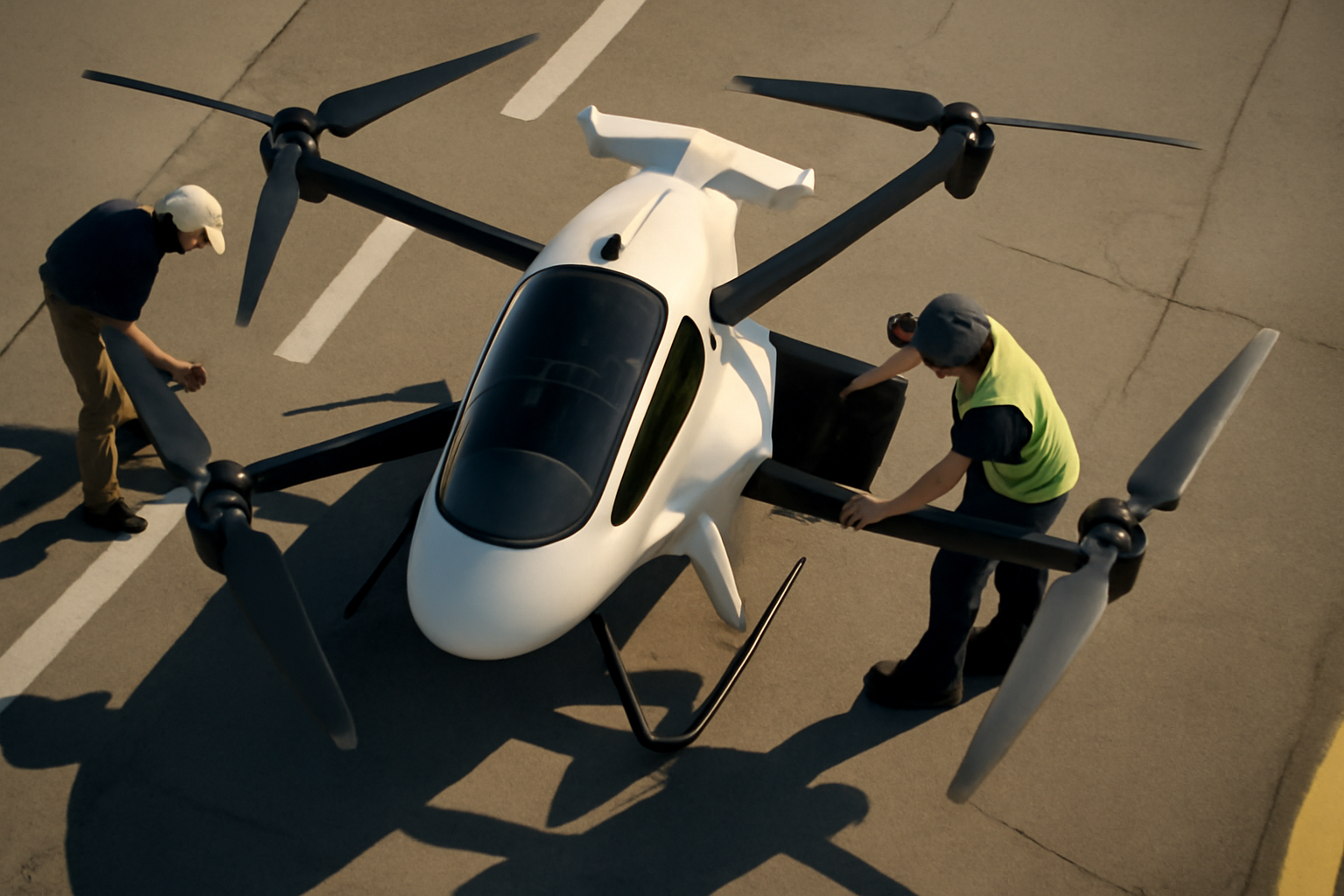
In a landmark moment for global air mobility, China-based manufacturer Yivtol has begun delivering its ultralight eVTOL aircraft to customers in the United States. This achievement represents a significant step forward for the emerging electric vertical takeoff and landing industry, demonstrating that international manufacturers are successfully navigating regulatory frameworks and bringing innovative aircraft to market. Yivtol’s entry into the US market signals growing confidence in the commercial viability of ultralight eVTOL technology and could accelerate broader adoption of electric aircraft across North America.
Yivtol’s Market Entry Strategy
Yivtol’s decision to target the US market with its ultralight eVTOL reflects the company’s confidence in both its aircraft design and its ability to meet American regulatory standards. The ultralight category offers a strategic entry point for new manufacturers, as these aircraft typically face less stringent certification requirements than heavier regional transport aircraft. By focusing on this segment, Yivtol can establish a foothold in one of the world’s largest and most competitive aviation markets while building operational experience and customer relationships.
The timing of these deliveries is particularly significant given the current state of eVTOL development globally. While numerous manufacturers worldwide are pursuing certification and commercial operations, many remain in advanced development stages. Yivtol’s ability to complete actual deliveries demonstrates that the company has successfully cleared critical milestones, including design validation, manufacturing processes, and regulatory approval pathways. This progress provides valuable validation for the broader eVTOL ecosystem.
By establishing operations in the US, Yivtol gains access to a market characterized by strong demand for innovative transportation solutions, substantial investment capital, and supportive regulatory evolution. The company’s ultralight eVTOL could appeal to customers seeking affordable electric aircraft for personal transportation, recreational flying, and potentially commercial applications like inspection and surveillance missions.
Ultralight eVTOL Market Opportunities
The ultralight eVTOL segment represents one of the most immediately accessible market opportunities within the broader air mobility sector. These aircraft, typically weighing under 1,320 pounds in the US ultralight category, offer lower acquisition costs, simpler certification processes, and reduced operational complexity compared to heavier electric aircraft. For manufacturers like Yivtol, this category provides a practical pathway to revenue generation while larger aircraft complete longer certification cycles.
Use cases for ultralight eVTOLs are diverse and growing. Early adopters in the US market include recreational flyers seeking efficient electric alternatives to traditional ultralight aircraft, aerial photographers and inspection professionals who benefit from the aircraft’s vertical takeoff and landing capabilities, and enthusiasts interested in experiencing next-generation aviation technology. As infrastructure develops and operational experience accumulates, additional commercial applications will likely emerge, from emergency response to rural connectivity missions.
The affordability advantage of ultralight eVTOLs cannot be overstated. While larger passenger-carrying eVTOL aircraft require substantial capital investment and long development cycles, ultralight models can reach market faster and at lower price points. This democratization of eVTOL technology may accelerate user adoption and help establish operational, regulatory, and infrastructure foundations that benefit the entire industry as larger aircraft enter service later this decade.
Regulatory Navigation and Certification Success
Successfully delivering eVTOL aircraft to US customers requires navigating a complex and evolving regulatory landscape. The Federal Aviation Administration (FAA) has been developing certification standards for electric aircraft, with particular focus on safety, noise emissions, and operational protocols. Yivtol’s completion of this process demonstrates the company’s technical capability and regulatory expertise, setting a precedent for other international manufacturers considering US market entry.
The regulatory pathway for ultralight aircraft, while relatively streamlined compared to larger categories, still demands rigorous safety validation and compliance documentation. Yivtol’s achievement suggests the company invested significantly in understanding FAA requirements, designing aircraft to meet those standards, and building relationships with regulatory authorities. This foundational work benefits not only Yivtol’s current operations but establishes clearer guidance for future eVTOL manufacturers pursuing certification.
The successful certification and delivery of Chinese-manufactured eVTOL aircraft to the US market also represents broader regulatory confidence in international aviation standards. While geopolitical considerations may influence some supply chain decisions, the FAA’s willingness to certify Yivtol’s aircraft reflects the organization’s commitment to technology-neutral, safety-focused regulation. This approach encourages global competition and innovation in the eVTOL sector.
Implications for Global eVTOL Competition
Yivtol’s US market entry intensifies competition in the eVTOL sector, challenging established players and emerging competitors to accelerate their own timelines and improve their value propositions. The ultralight segment, while initially less visible than passenger-carrying air taxi concepts, represents a genuine market opportunity that multiple manufacturers will pursue aggressively over the coming years. Yivtol’s early deliveries position the company as a credible competitor and may influence market perception of Chinese aviation manufacturers globally.
The competitive landscape for eVTOLs increasingly reflects global participation, with manufacturers from Asia, Europe, and North America all pursuing certification and commercialization. Yivtol’s success demonstrates that regulatory barriers, while significant, are surmountable for well-resourced companies with sound engineering and business strategies. This competitive environment should ultimately benefit customers through improved aircraft designs, better pricing, and accelerated innovation across the sector.
Looking forward, Yivtol’s presence in the US market establishes the company as a long-term player in air mobility, not merely a transient entrant. The company’s ability to support delivered aircraft with maintenance, parts availability, and customer service will be critical to building brand reputation and securing repeat business. Success in this initial phase could position Yivtol for expansion into larger aircraft categories as the market matures and regulatory frameworks strengthen.
Key Takeaways
- Yivtol has achieved a significant market milestone by completing first deliveries of its ultralight eVTOL to US customers, demonstrating successful navigation of FAA certification and regulatory requirements.
- Ultralight eVTOL aircraft offer faster time-to-market and lower acquisition costs compared to larger passenger-carrying variants, creating immediate revenue opportunities and operational experience for manufacturers.
- Yivtol’s US market entry intensifies global eVTOL competition and validates the commercial viability of electric vertical takeoff aircraft, encouraging broader industry investment and innovation.
Yivtol’s first US ultralight eVTOL deliveries represent a meaningful inflection point for the personal air mobility industry. The company’s successful transition from development to commercial operations, accomplished through regulatory compliance and strategic market positioning, demonstrates that eVTOL aircraft are transitioning from concept to operational reality. As more manufacturers complete certification and bring aircraft to market across multiple segments, the infrastructure, regulatory frameworks, and operational expertise required to support widespread eVTOL adoption will continue to strengthen. Customers and investors should monitor Yivtol’s market performance closely, as the company’s success or challenges will provide valuable insights into the broader eVTOL commercialization timeline and the ultimate role of electric aircraft in future transportation systems.