
HIGHLIGHTS
- Lake Tahoe forum examines eVTOL aircraft, flying cars, and electric watercraft as integrated multi-modal transportation solutions beyond traditional EVs
- Flying cars require FAA certification and vertiport infrastructure, with regulatory harmonization critical for widespread market adoption
- Electric watercraft offer zero-emission benefits for sensitive ecosystems and can seamlessly integrate with air and ground mobility networks
The electric vehicle revolution is accelerating beyond four wheels. As communities worldwide grapple with sustainable transportation solutions, a forward-thinking forum at Lake Tahoe is pushing boundaries by examining the convergence of electric vertical takeoff and landing (eVTOL) aircraft, flying cars, and electric watercraft. This multi-modal approach to mobility represents a paradigm shift in how we envision urban and regional transportation in the coming decade.
The Lake Tahoe Forum: A Hub for Future Mobility Innovation
Lake Tahoe has emerged as an unexpected epicenter for discussions on next-generation transportation. The forum brings together stakeholders, entrepreneurs, policymakers, and technology leaders to examine technologies that extend far beyond traditional battery-electric vehicles. By convening at this iconic location, organizers signal a commitment to exploring sustainable mobility solutions that leverage the region’s geography and environmental consciousness.
The forum’s scope reflects growing recognition that decarbonization requires more than road-based solutions. With increasing traffic congestion in urban areas and the need for rapid point-to-point connectivity in mountainous regions like Lake Tahoe, alternative mobility platforms are gaining serious attention from both private and public sectors.
Discussion topics at the forum span regulatory frameworks, safety standards, infrastructure requirements, and consumer adoption pathways. These conversations are critical as manufacturers race to commercialize personal air vehicles while maintaining environmental and operational sustainability.
Flying Cars: From Science Fiction to Regulatory Reality
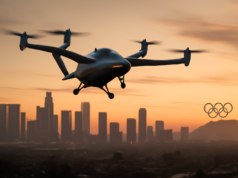
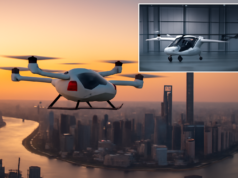
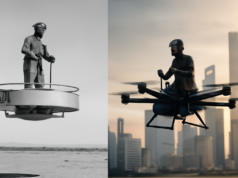
Flying cars represent the most visible frontier in personal air mobility. Unlike traditional eVTOL aircraft designed primarily for last-mile delivery or air taxi services, flying cars emphasize passenger comfort and autonomous or semi-autonomous operation. The Lake Tahoe forum examined how these vehicles could integrate into existing transportation networks while addressing fundamental questions about airspace management and pilot certification.
Current prototypes from companies like PAL-V, Joby Aviation, and others demonstrate feasibility, but widespread adoption depends on regulatory approval, affordable pricing, and public acceptance. The forum highlighted that successful implementation requires coordination between Federal Aviation Administration (FAA) standards, state transportation authorities, and local zoning regulations.
A critical insight emerged: flying cars may prove most viable in regions with specific geographic or demographic characteristics—exactly like the Lake Tahoe area, which experiences seasonal traffic bottlenecks and has limited ground transportation alternatives. This makes the region an ideal testbed for pilot programs and real-world deployment scenarios.
Electric Watercraft: A Complementary Mobility Solution
While flying cars capture headlines, electric boats and watercraft represent a quieter but equally important evolution in sustainable transport. Lake Tahoe’s pristine ecosystem makes it a natural laboratory for zero-emission marine technology. Electric propulsion systems for boats offer immediate environmental benefits, particularly in sensitive water environments where traditional combustion engines pose pollution risks.
The forum explored how electric watercraft could serve multiple purposes: recreational transportation, cargo movement, and emergency response. Battery technology advances are enabling longer range and faster charging for marine applications, making electric boats increasingly practical for extended journeys across large lakes.
Integration of electric watercraft with eVTOL services creates a multi-modal transportation ecosystem. Passengers could seamlessly transition from ground vehicles to electric boats to air taxis, optimizing for speed, cost, and environmental impact on a journey-by-journey basis. This integrated approach represents the true vision behind the Lake Tahoe forum’s comprehensive agenda.
Infrastructure, Regulation, and Market Barriers
Transforming these technologies from concepts to widespread reality demands substantial infrastructure investment. The forum addressed the chicken-and-egg challenge: manufacturers hesitate to scale production without clear regulatory pathways, while regulators move cautiously without industry maturity. Participants discussed how public-private partnerships could accelerate infrastructure development, including vertiports, charging stations, and airspace management systems.
Safety standards emerged as a paramount concern. eVTOL operators must demonstrate redundancy in critical systems, emergency landing capabilities, and pilot training protocols. Electric watercraft face different regulatory requirements involving maritime law, environmental compliance, and vessel registration. The forum recognized that harmonized standards across sectors could reduce compliance costs and accelerate market entry.
Insurance and liability frameworks also require clarification. Who bears responsibility if an eVTOL experiences mechanical failure? How do maritime insurance models adapt to electric powertrains? These questions cannot be resolved by industry alone; regulatory bodies must establish clear legal precedents that protect consumers while enabling innovation.
Consumer Adoption and Market Viability
Key Takeaways on Market Readiness
- Flying cars and eVTOL aircraft require FAA certification, standardized vertiport infrastructure, and affordable pricing models before mainstream adoption becomes viable
- Electric watercraft offer immediate environmental benefits in sensitive ecosystems like Lake Tahoe and can integrate with multi-modal transportation networks
- Regulatory harmonization, public-private partnerships, and dedicated pilot programs in geographic hotspots like the Lake Tahoe region are essential to accelerate commercialization
The Lake Tahoe forum ultimately reinforced a crucial message: the future of sustainable transportation is not singular but plural. Flying cars will serve specific use cases, as will electric boats and traditional ground-based EVs. Success requires thoughtful integration of these modalities, robust regulatory frameworks, and investment in complementary infrastructure. The forum attendees left energized by the recognition that innovation in personal air mobility and electric watercraft is not merely possible—it is already beginning, with forward-thinking communities like Lake Tahoe leading the way.