
HIGHLIGHTS
- Lake Tahoe forum pioneers integrated multi-modal electric mobility ecosystem combining eVTOLs, electric boats, and EVs for sustainable regional transport
- eVTOL technology approaches commercial maturity with realistic deployment timelines for Alpine regions within 2-3 years
- Collaborative regulatory frameworks and coordinated infrastructure development emerging as critical success factors for multi-platform mobility integration
The electrification revolution is expanding far beyond the roads. A landmark forum held at Lake Tahoe is pushing the boundaries of sustainable mobility by exploring how flying cars and electric boats could reshape regional and urban transportation. This forward-thinking initiative signals a major shift in how communities are imagining the future of clean energy transit, moving beyond traditional electric vehicles to embrace innovative air and water-based mobility solutions.
The Lake Tahoe Forum: A New Vision for Sustainable Mobility
Lake Tahoe’s latest forum represents a pivotal moment in the evolution of electric transportation. Bringing together industry leaders, policymakers, and innovators, the gathering aimed to examine how personal air mobility and electric watercraft could complement existing EV infrastructure. The forum showcased emerging technologies that promise to revolutionize how people move through the Alpine region and beyond, recognizing that sustainable transport extends into three dimensions.
The Lake Tahoe basin, known for its environmental sensitivity and pristine natural beauty, provides an ideal testing ground for next-generation mobility solutions. Local stakeholders recognized that traditional ground-based transportation alone cannot solve congestion and accessibility challenges in mountainous terrain. By hosting this forum, the region positioned itself as a leader in exploring holistic, multi-modal sustainable transportation ecosystems.
The event demonstrated growing recognition among regional planners that the future of mobility is fundamentally multi-platform. Rather than viewing flying cars and electric boats as distant science fiction, participants discussed realistic timelines, regulatory pathways, and practical implementation strategies for integrating these technologies into everyday life.
Flying Cars: From Vision to Regional Reality
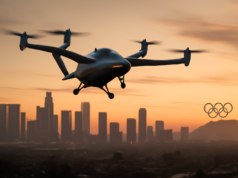
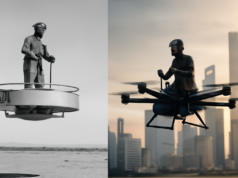
Electric vertical takeoff and landing (eVTOL) aircraft have transitioned from futuristic concepts to imminent commercial reality. The Lake Tahoe forum explored how flying cars could address the region’s unique geographic challenges, offering point-to-point connectivity that bypasses congested roads and winding mountain passes. Participants examined how these vehicles could reduce travel times between communities while minimizing environmental impact through zero-emission operations.
The technical maturity of eVTOL platforms has accelerated dramatically in recent years. Multiple manufacturers are nearing certification milestones, with some expected to launch commercial operations within 2-3 years. For a destination like Lake Tahoe, where terrain and distance create transportation bottlenecks, air mobility represents a genuine solution rather than merely aspirational technology. The forum highlighted use cases ranging from emergency medical transport to executive commuting and tourism applications.
Infrastructure requirements for flying cars received significant attention. Participants discussed vertiport development, charging networks, air traffic management systems, and safety protocols needed to integrate eVTOLs into the regional transportation ecosystem. The Lake Tahoe area’s relatively controlled airspace and lower population density compared to major metropolitan regions make it an attractive candidate for early adoption and phased implementation of advanced air mobility services.
Electric Boats: Electrifying Water-Based Transportation
Beyond the skies, the forum turned attention to Lake Tahoe’s waters, exploring how electric propulsion could transform recreational and commercial boating. Electric boats offer profound advantages for pristine alpine lakes: silent operation, zero emissions, and reduced environmental impact on sensitive aquatic ecosystems. Forum participants discussed how full electrification of watercraft could preserve Lake Tahoe’s unique natural character while enabling sustainable tourism and transportation.
The technology for electric boats has matured substantially, with lithium-ion battery systems now delivering impressive range and performance comparable to traditional combustion engines. Modern electric propulsion systems are quieter, require less maintenance, and eliminate fuel spills and pollution that threaten water quality. For a destination as environmentally conscious as Lake Tahoe, electric boats align perfectly with regional sustainability values and conservation priorities.
The economic implications of electric boat adoption were explored throughout the forum. Lower operating costs, reduced maintenance requirements, and minimal fuel expenses make electric watercraft increasingly attractive for tour operators, water taxi services, and private boating enthusiasts. Participants identified opportunities to develop regional boat charging infrastructure and discussed how electrification could become a defining feature of Lake Tahoe’s sustainable tourism positioning.
Integration Challenges and Regulatory Pathways
Moving these innovative mobility solutions from concept to deployment requires navigating complex regulatory environments. The Lake Tahoe forum addressed FAA certification requirements for eVTOLs, environmental compliance for waterborne vessels, and local zoning considerations. Participants emphasized that proactive policy development at regional and state levels is essential to creating frameworks that encourage innovation while ensuring safety and environmental protection.
Coordination between federal agencies, state regulators, and local authorities emerged as a critical success factor. The forum brought together representatives from transportation, environmental, and planning departments to align on shared goals and streamline approval processes. This collaborative approach recognizes that transformative mobility solutions require cross-sector partnership and synchronized regulatory evolution.
Safety standards, noise regulations, and environmental impact assessments will determine the pace and scope of deployment. Participants discussed how Lake Tahoe’s relatively manageable scale and stakeholder cooperation could serve as a model for other regions seeking to pioneer multi-modal electric mobility ecosystems. Early adoption in supportive environments like Lake Tahoe provides valuable data and operational experience that informs broader national implementation strategies.
Future Implications for Sustainable Regions Worldwide
The Lake Tahoe forum transcends local significance to carry implications for how communities worldwide approach sustainable transportation planning. By simultaneously exploring aerial and aquatic electrification alongside terrestrial EVs, the region is developing a comprehensive, integrated mobility vision. This holistic approach could become a template for other scenic, environmentally sensitive regions facing transportation challenges.
Investment interest in multi-modal electric mobility is accelerating. Capital flowing into eVTOL manufacturers, electric boat developers, and supporting infrastructure companies reflects market confidence in these technologies. The Lake Tahoe initiative positions the region to attract further innovation investment and potentially serve as an early deployment zone for advanced mobility solutions seeking real-world operating environments.
The convergence of flying cars, electric boats, and traditional EVs represents the genuine future of sustainable transportation. Rather than viewing these as competing technologies, the Lake Tahoe forum exemplified how they can function as complementary elements within unified mobility ecosystems. Regions that embrace this integrated vision early will establish themselves as leaders in the sustainable transport revolution and improve quality of life for residents and visitors alike.
Key Takeaways
- Lake Tahoe forum explores eVTOLs and electric boats as integrated solutions to regional transportation challenges beyond traditional EVs
- Flying car technology approaches commercial maturity with realistic deployment timelines for scenic mountain destinations
- Collaborative regulatory pathways and infrastructure development are essential for successful multi-modal electric mobility deployment
The Lake Tahoe forum demonstrates that the future of sustainable mobility extends across ground, water, and air. By embracing comprehensive electrification strategies and fostering innovation across multiple transportation modes, forward-thinking regions can solve mobility challenges while preserving environmental values. The forum’s integrated approach to flying cars, electric boats, and EVs signals a paradigm shift in how communities plan for sustainable, connected transportation futures.