HIGHLIGHTS
- Greenfield vertiports enable purpose-built eVTOL infrastructure from scratch, eliminating costly retrofitting and accelerating time-to-market for UAM operators.
- Strategic site selection on undeveloped land reduces acquisition and remediation costs while enabling integrated renewable energy and sustainability systems.
- Public-private partnerships funding greenfield vertiports drive economic development, job creation, and municipal competitive positioning in the UAM industry.
The rapid expansion of electric vertical takeoff and landing (eVTOL) aircraft technology is driving a fundamental shift in how airports and cities plan infrastructure. Unlike traditional aviation, which relies on decades-old runway infrastructure, urban air mobility (UAM) requires an entirely new class of facilities: vertiports. The latest industry developments show that many operators and municipalities are choosing to build these revolutionary hubs on greenfield sites rather than retrofitting existing airport infrastructure, opening up unprecedented opportunities for purpose-built, efficient aerospace facilities.
What Are Greenfield Vertiports and Why They Matter
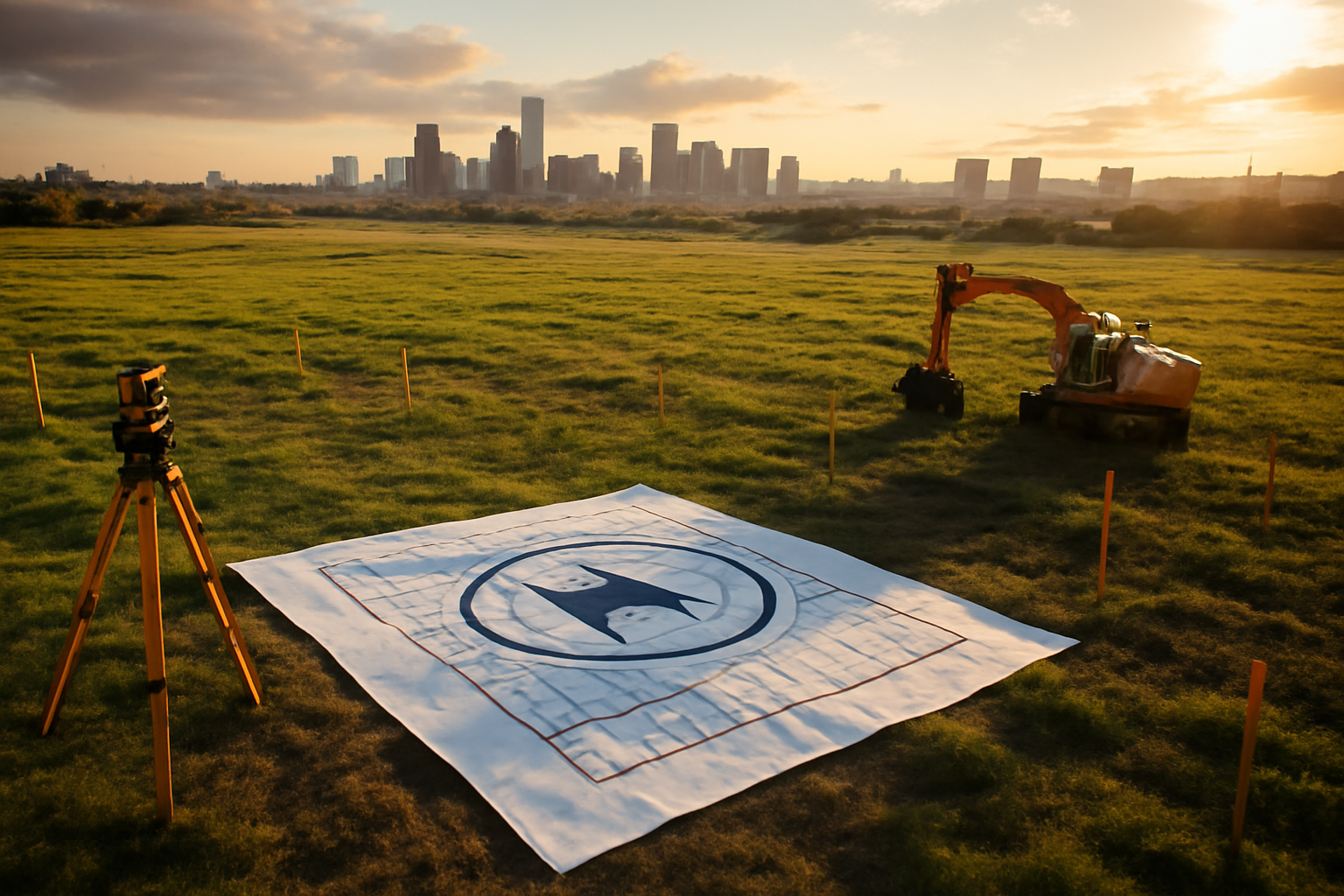
Greenfield vertiports represent a paradigm shift in aviation infrastructure development. These are vertically-oriented facilities built on previously undeveloped land, designed from the ground up to accommodate eVTOL aircraft rather than adapted from existing airport terminals or parking facilities. This approach allows architects and engineers to design optimal layouts that maximize efficiency, safety, and passenger experience without the constraints of legacy infrastructure.
The advantages are substantial. Greenfield sites offer flexibility in design, allowing vertiport operators to incorporate advanced features such as integrated charging infrastructure, seamless ground transportation connections, and future expansion capabilities. Unlike brownfield developments that must work around existing structures and environmental considerations, greenfield vertiports can be purpose-built to accommodate the specific operational and technical requirements of electric vertical takeoff and landing aircraft.
From a regulatory perspective, building on greenfield sites often streamlines the approval process. Planners and developers can work with local authorities from inception to design vertiports that meet current and anticipated future UAM regulations, avoiding costly retrofitting delays that plague adaptive-reuse projects. This proactive approach accelerates the timeline from concept to operational facility, critical for airlines eager to launch UAM services before competitors establish market dominance.
Strategic Location Selection for Greenfield Vertiports
Successful greenfield vertiport development hinges on selecting locations that balance accessibility, regulatory feasibility, and economic viability. Industry leaders are identifying sites on the periphery of major metropolitan areas—positions that serve as gateways between city centers and major transportation hubs without requiring extensive urban infrastructure modifications. These strategic corridors connect downtown business districts to regional airports, reducing ground transportation times and creating compelling value propositions for time-sensitive travelers.
Environmental considerations are paramount in greenfield site selection. Developers prioritize locations that minimize noise impact on residential neighborhoods, allowing eVTOL operations to proceed with community support. Additionally, greenfield sites often feature superior ground conditions, eliminating costly remediation expenses associated with historically contaminated industrial properties. This environmental advantage resonates with increasingly conscious investors and regulators focused on sustainable development.
Proximity to existing transportation networks—highways, rail corridors, and public transit systems—substantially influences vertiport location decisions. Greenfield sites adjacent to major transportation arteries enable seamless passenger transfers and cargo logistics integration, maximizing the operational efficiency that makes UAM economically viable. Early developers are strategically positioning vertiports as intermodal hubs, connecting air, ground, and rail transportation into unified mobility ecosystems.
Engineering and Design Innovations in Greenfield Development
Purpose-built greenfield vertiports enable architectural innovations impossible in retrofitted facilities. Advanced designers are incorporating multi-level charging stations, real-time passenger flow optimization, and automated cargo handling systems into vertiport blueprints. These facilities feature dedicated departure and arrival zones, weather monitoring systems, and emergency response infrastructure designed specifically for eVTOL operational requirements rather than adapted from conventional airport standards.
Energy infrastructure represents a critical design consideration. Greenfield vertiports can incorporate renewable energy generation—solar arrays, wind turbines, and battery storage systems—directly into facility design, enabling ambitious sustainability goals. Some facilities under development feature fully electrified operations with zero fossil fuel consumption, aligning perfectly with the environmental mission of electric vertical takeoff and landing technology while reducing long-term operational costs.
Safety and operational resilience inform every aspect of greenfield vertiport design. Engineers integrate redundant communication systems, backup power supplies, and weather protection infrastructure that standard airports simply cannot accommodate due to spatial constraints. Advanced drainage systems manage precipitation efficiently, while integrated de-icing and lightning protection systems ensure year-round operational reliability—essential requirements for commercial UAM services.
Economic and Regulatory Advantages of Building on Greenfield Sites
The financial case for greenfield vertiport development is compelling for developers, operators, and municipalities. Land acquisition costs in undeveloped areas typically run substantially lower than urban real estate, improving project economics and reducing payback periods. Additionally, greenfield sites eliminate costly remediation, structural demolition, and environmental remediation expenses that inflate adaptive-reuse projects, channeling capital directly into operational infrastructure and technology.
Regulatory pathways for greenfield development offer significant advantages over retrofitting existing facilities. Aviation authorities appreciate the opportunity to establish uniform operational standards across purpose-built infrastructure, simplifying certification processes and reducing approval timelines. Municipalities benefit from coordinated development planning that integrates vertiports into comprehensive transportation strategies rather than retrofitting facilities into fragmented urban environments.
Public-private partnerships increasingly fund greenfield vertiport development, with municipal governments recognizing that UAM infrastructure drives economic development, job creation, and urban competitiveness. Strategic greenfield sites position cities as leaders in aerospace technology adoption while generating tax revenue and attracting investment from eVTOL manufacturers, service operators, and supporting industries. This economic stimulus justifies municipal investment in greenfield site acquisition and infrastructure development that might initially appear costly.
Key Advantages of Greenfield Vertiports
- Purpose-built design optimized for eVTOL operations and passenger experience from inception
- Lower land acquisition and remediation costs enabling faster financial returns on investment
- Integrated renewable energy, charging, and sustainability systems reducing operational environmental impact
- Streamlined regulatory approval processes through coordinated planning with aviation authorities
- Strategic positioning near major transportation corridors supporting intermodal connectivity
- Future scalability and expansion capacity without structural constraints
The shift toward greenfield vertiport development represents a transformational moment for urban air mobility. By building purpose-designed facilities on undeveloped sites, operators and municipalities can establish efficient, sustainable, and economically viable infrastructure supporting the explosive growth anticipated in eVTOL services over the coming decade. As regulatory frameworks mature and aircraft technology advances, greenfield vertiports will form the foundation of twenty-first-century urban transportation systems, seamlessly integrating air mobility into existing metropolitan infrastructure while creating new economic opportunities and enhancing quality of life for millions of travelers worldwide.