HIGHLIGHTS
- Livonia couple becomes part of growing trend of everyday citizens experiencing personal eVTOL flight, signaling technology’s rapid progression from prototype to accessible reality
- Single-seat eVTOL designs optimize efficiency and reduce infrastructure requirements, offering practical pathways for personal aviation beyond commercial air taxi services
- Public eVTOL experiences provide critical real-world safety data and regulatory validation while building mass-market acceptance essential for industry growth
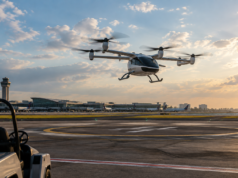
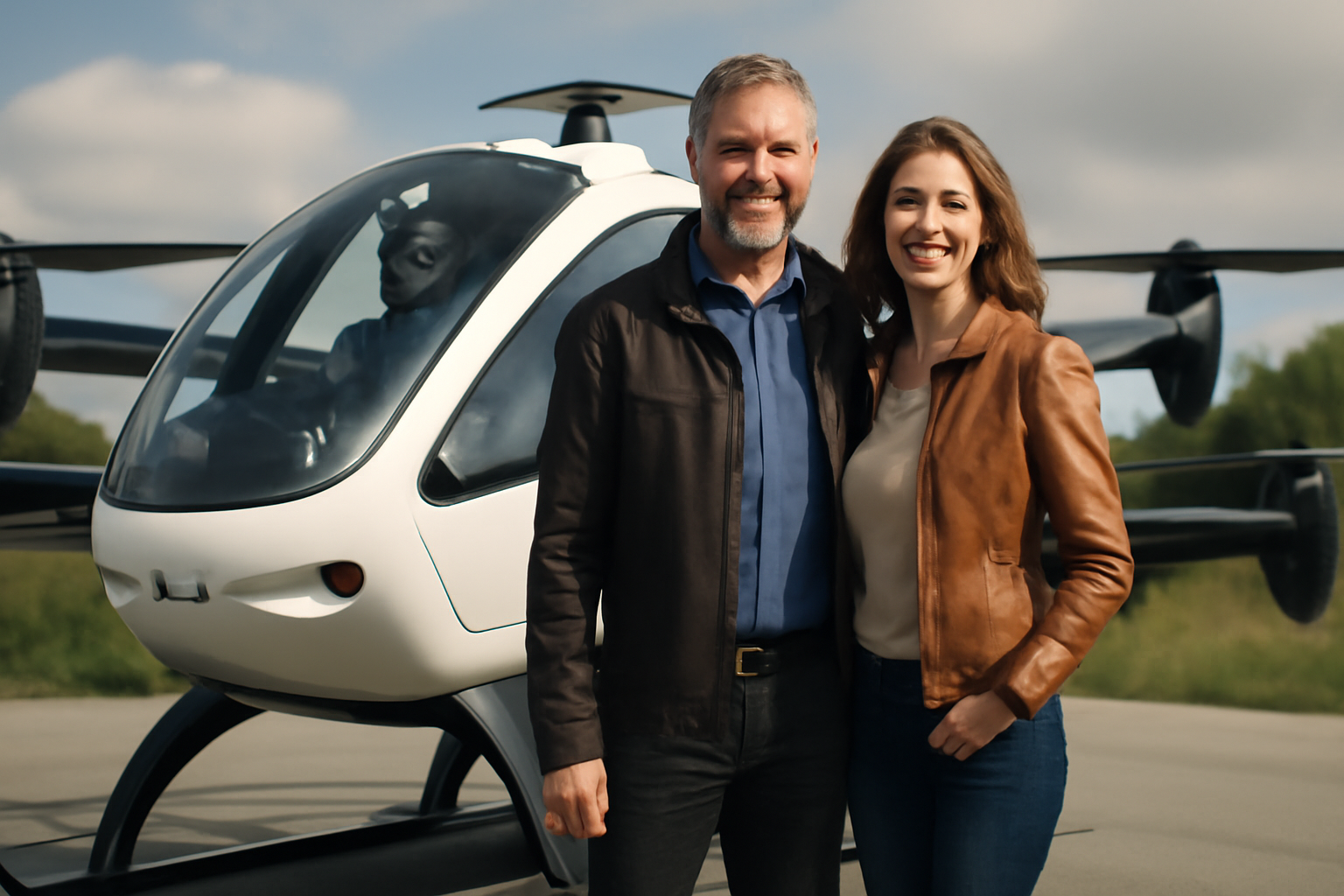
The future of personal transportation just became a tangible reality for one couple in Livonia. With a simple climb into the cockpit of an electric vertical takeoff and landing aircraft, they experienced what could represent the dawn of a new era in urban mobility. This hands-on moment with eVTOL technology demonstrates how close we are to seeing these aircraft transition from concept to everyday experience for everyday people.
Breaking the Barrier Between Fantasy and Reality
For decades, personal flying vehicles existed primarily in the realm of science fiction and concept art. Engineers, designers, and futurists spoke about them in distant, almost mythical terms. Yet the experience of that Livonia couple proves that eVTOL technology is no longer a distant dream—it’s a present-day reality that people can actually access and experience.
The significance of this moment extends beyond mere novelty. When ordinary citizens can step into an eVTOL and experience the sensation of vertical flight firsthand, it marks a psychological and cultural turning point. The technology transitions from “something experts talk about” to “something I can actually do.” This shift in perception is crucial for public acceptance and the eventual mainstream adoption of personal air mobility.
The Livonia experience also highlights how rapidly the industry has matured. Just a few years ago, eVTOL flights were restricted to controlled test environments and specialized venues. Now, members of the public can access these aircraft, fly in them, and understand firsthand how the technology works. This democratization of eVTOL access accelerates the path toward commercialization and integration into urban transportation networks.
Single-Seat eVTOL Design and Personal Mobility
The single-occupant design of this particular eVTOL represents an important category within the broader personal air mobility ecosystem. While most commercial eVTOL development focuses on air taxi services carrying multiple passengers, single-seat aircraft serve a distinct purpose. They offer maximum efficiency, reduced energy consumption, and the intimate, personal experience that appeals to aviation enthusiasts and early adopters.
Single-seat eVTOLs require less infrastructure than larger aircraft. They can operate from smaller vertiports, parking areas, or even private property in some cases. The reduced weight and power requirements compared to multi-passenger designs mean faster charging times and extended flight ranges on a single battery charge. For recreational flying, personal commuting, and specialized applications, these aircraft represent an optimal balance between capability and practicality.
The design also reflects confidence from manufacturers that the market for personal eVTOL aircraft will grow substantially. Rather than waiting for regulatory frameworks to fully mature for larger commercial services, companies are proving the concept works at the individual level. This bottom-up approach to market development may actually accelerate the overall acceptance and integration of eVTOL technology into transportation networks.
Regulatory Pathways and Real-World Testing
The fact that a Livonia couple could experience a genuine eVTOL flight speaks to significant progress in regulatory frameworks. Aviation authorities worldwide have been developing guidelines and standards for eVTOL operations. These regulations must balance innovation and speed to market with safety and public confidence—no easy task.
Real-world testing experiences like the Livonia flight provide invaluable data to regulators and manufacturers alike. Each flight generates information about aircraft performance, pilot training requirements, noise levels, safety margins, and public response. This empirical data is far more valuable than computer simulations or theoretical models when establishing best practices and safety standards for commercial eVTOL operations.
The progression from test flights to public experiences to eventual regular commercial service follows a logical, validated pathway. Regulators can observe how eVTOL aircraft perform in real environments, identify potential issues before they scale to commercial operations, and build confidence in the safety and reliability of the technology. The Livonia couple’s flight represents one data point in a larger mosaic of evidence supporting the viability of widespread eVTOL adoption.
The Emotional and Economic Impact of eVTOL Access
Beyond the technical and regulatory aspects, the Livonia couple’s experience carries profound emotional significance. For most people, flying in a personal aircraft has always been an aspirational, out-of-reach dream—something only wealthy individuals with private pilot licenses could experience. eVTOL technology promises to democratize access to personal flight, making it available to middle-class families and everyday commuters.
This democratization has major economic implications. The personal air mobility market represents a potential multi-billion-dollar industry. Aircraft manufacturers, battery producers, charging infrastructure companies, insurance providers, and many other businesses see enormous market potential. When more people have positive personal experiences with eVTOL technology, they become advocates and potential customers, accelerating market growth and investment.
The Livonia experience also demonstrates that eVTOL companies are confident enough in their products to put them in the hands of ordinary people. This confidence sends a powerful signal to investors, regulators, and potential customers. It suggests that the technology has reached a maturity level where public demonstrations are not just possible but desirable for building market awareness and public acceptance.
Key Takeaways from eVTOL’s Growing Accessibility
- Personal eVTOL experiences are transitioning from exclusive test programs to public access, marking a critical shift in commercialization and market readiness
- Single-seat eVTOL designs offer operational efficiency, reduced infrastructure requirements, and represent a proven entry point for personal air mobility adoption
- Real-world flights by everyday citizens provide essential safety data and regulatory validation while building public confidence in eVTOL technology
The experience of the Livonia couple flying in a personal eVTOL represents far more than a novelty moment. It embodies the convergence of mature technology, evolving regulatory frameworks, and growing market readiness. As more everyday people have the opportunity to experience eVTOL flight firsthand, the psychological barriers to adoption continue to fall. The future of personal air mobility isn’t just approaching—it’s already here, and ordinary people are finally getting to experience it for themselves.