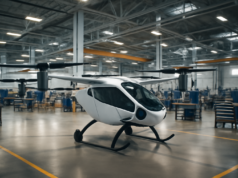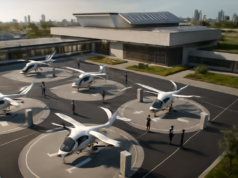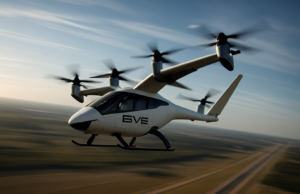
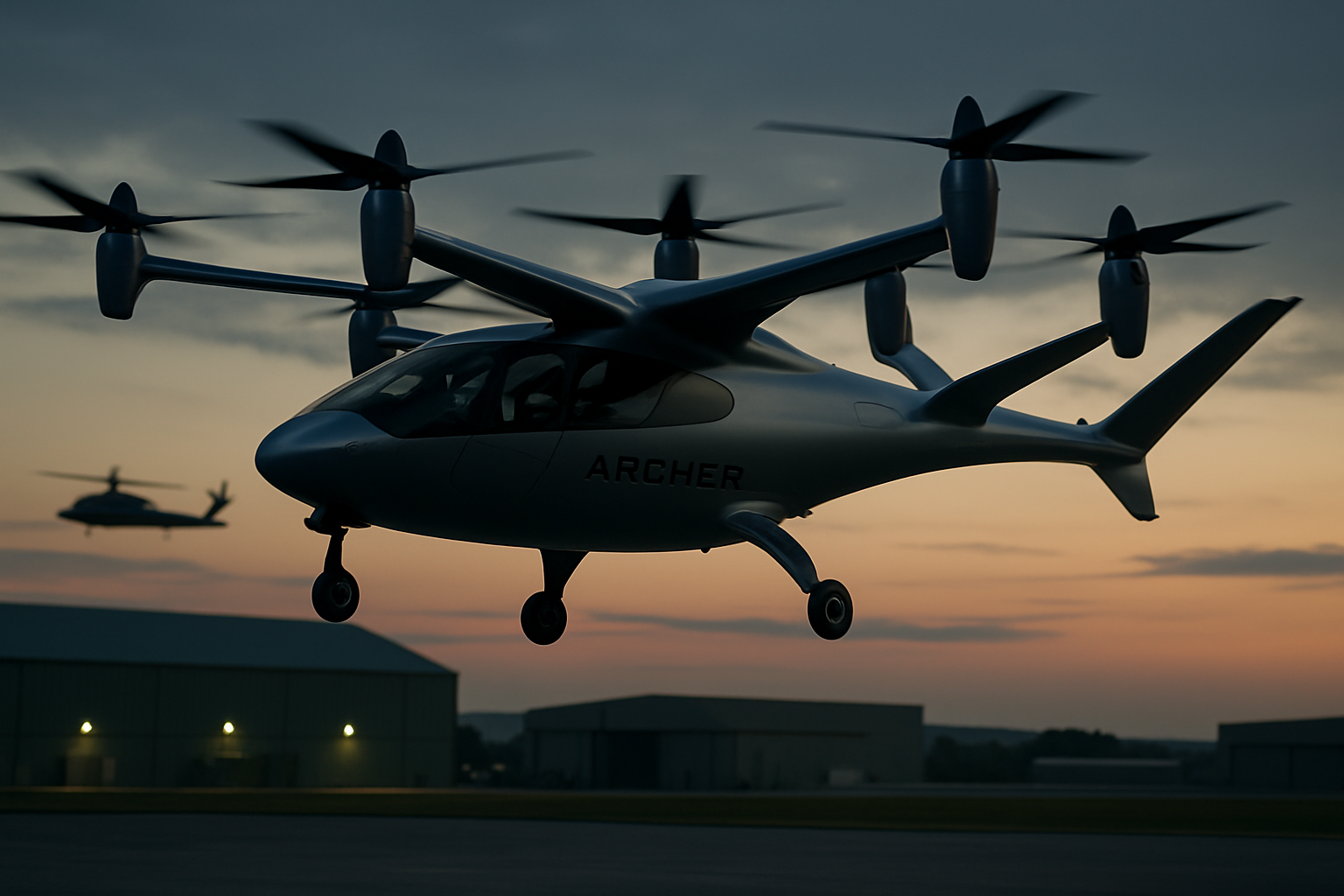
Archer Aviation has made a significant announcement regarding the launch of twin military and civil hybrid VTOL programs, marking a pivotal moment in the personal air mobility sector. This strategic expansion demonstrates the company’s commitment to diversifying its portfolio across multiple market segments while advancing hybrid vertical takeoff and landing technology. The dual-program approach positions Archer at the forefront of the evolving eVTOL industry and reflects growing demand for electric vertical takeoff and landing solutions in both commercial and defense applications.
Understanding Archer’s Strategic Market Expansion
Archer Aviation’s decision to launch parallel military and civil hybrid VTOL programs represents a comprehensive strategy to capture emerging opportunities in distinct market segments. By developing separate initiatives tailored to the specific requirements of each market, the company demonstrates sophisticated business acumen and technical versatility. This approach allows Archer to address the unique regulatory, operational, and performance requirements that distinguish military applications from civilian air mobility services.
The expansion into military VTOL programs is particularly noteworthy given the increasing defense sector interest in advanced air mobility solutions. Military applications demand robust performance characteristics, enhanced security features, and specialized operational capabilities that differ significantly from civilian passenger transport. Archer’s military program positions the company to capitalize on substantial defense procurement opportunities and government contracts that support long-term revenue growth.
Simultaneously, the civil hybrid VTOL program focuses on commercial passenger transportation, urban air mobility networks, and logistics applications. This segment continues to experience accelerating growth as regulatory frameworks mature and infrastructure for electric vertical takeoff and landing operations develops globally. Archer’s investment in civil applications ensures the company remains competitive in the rapidly expanding eVTOL transportation market.
Hybrid VTOL Technology and Performance Advantages
Hybrid VTOL systems combine electric propulsion with alternative energy sources to enhance range, payload capacity, and operational flexibility compared to purely electric aircraft. This technological approach addresses key limitations of current battery-only eVTOL designs, particularly regarding extended flight ranges and heavier payload requirements. Archer’s hybrid architecture provides significant advantages for both military missions and civil applications requiring longer endurance or greater cargo capacity.
The hybrid propulsion concept enables aircraft to operate efficiently across diverse mission profiles and environmental conditions. By incorporating both electric and supplementary power systems, Archer’s VTOL designs achieve optimal efficiency during takeoff, hover, and transition phases while maintaining extended cruise capabilities. This hybrid approach represents a pragmatic solution to current battery technology limitations while advancing the broader transition toward sustainable aviation.
Performance improvements from hybrid systems extend beyond range and payload metrics. Enhanced power delivery during critical flight phases improves safety margins, reduces operational constraints, and enables smoother integration with existing aerospace infrastructure. For military applications, hybrid VTOL technology provides tactical advantages including rapid response capabilities, extended mission duration, and reduced reliance on extensive forward-deployed refueling infrastructure.
Military VTOL Market Opportunities and Applications
The military vertical takeoff and landing market represents a substantial opportunity for companies like Archer seeking to diversify revenue streams. Defense agencies worldwide are actively evaluating eVTOL technology for personnel transport, cargo delivery, medical evacuation, and tactical mobility applications. Military VTOL programs offer extended development timelines, substantial government funding, and long-term procurement contracts that provide financial stability and growth potential.
Archer’s military VTOL initiative positions the company to support critical defense mission requirements including rapid mobility in challenging terrain, autonomous operation capabilities, and integration with military command and control systems. These applications demand sophisticated engineering, advanced materials, and security-hardened systems that differentiate military programs from civilian variants. By developing specialized military variants, Archer strengthens relationships with defense procurement agencies and establishes technological expertise relevant to advanced aerospace capabilities.
The military sector’s embrace of electric and hybrid propulsion technology accelerates innovation while providing substantial resources for technology development. Defense contracts typically include extended development periods, allowing manufacturers to refine performance characteristics and address technical challenges through iterative design cycles. This market segment also supports the broader eVTOL ecosystem by driving technological advancement that ultimately benefits civilian applications.
Civil Aviation and Urban Air Mobility Development
Archer’s civil hybrid VTOL program addresses the expansive urban air mobility market projected to serve millions of passengers annually within the next decade. Commercial applications emphasize passenger comfort, operational efficiency, noise reduction, and economic viability in congested urban environments. The civil program develops aircraft and operational systems specifically optimized for point-to-point passenger transportation, regional cargo services, and emergency medical transport.
Civil hybrid VTOL operations require integration with emerging airspace management systems, vertiport infrastructure, and regulatory compliance frameworks still under development globally. Archer’s civil program contributes valuable operational data and insights that inform regulatory evolution and industry standards. Success in civil markets depends on demonstrating consistent reliability, passenger safety, cost-effective operations, and positive community acceptance regarding noise, safety, and environmental impacts.
The commercial viability of civil eVTOL services depends on achieving operational economics that support profitable service delivery at competitive price points. Archer’s hybrid approach enhances economic sustainability by extending aircraft range, reducing per-hour operating costs, and enabling diverse revenue-generating applications. As regulatory approval pathways clarify and infrastructure develops, civil hybrid VTOL programs position companies like Archer to capture substantial market share in urban air mobility transportation.
Regulatory Landscape and Certification Pathways
Both military and civil VTOL programs must navigate complex regulatory environments established by aviation authorities and defense procurement agencies. Civil eVTOL aircraft require certification from organizations like the FAA and EASA, which continue developing special conditions and certification specifications for novel aircraft categories. These regulatory processes demand comprehensive safety analyses, performance testing, and demonstration of airworthiness across diverse operational scenarios.
Military VTOL programs follow distinct certification pathways established by defense departments and military aviation authorities. These programs often benefit from accelerated development timelines and specialized procurement processes that recognize unique national security requirements. Military certification standards emphasize operational readiness, system reliability, and integration compatibility with existing defense infrastructure and tactical systems.
Archer’s dual-program approach leverages insights from both regulatory pathways to advance overall technology maturity and market readiness. Technologies and solutions developed for military applications often transfer to civil variants, while civil market experiences inform military system improvements. This synergistic approach accelerates development timelines and optimizes resource allocation across program portfolios.
Key Takeaways from Archer’s Hybrid VTOL Initiative
- Archer’s twin military and civil hybrid VTOL programs demonstrate comprehensive market strategy targeting both defense and commercial sectors simultaneously
- Hybrid propulsion technology addresses critical limitations of battery-only designs by extending range, increasing payload capacity, and improving operational flexibility
- Military programs provide substantial long-term revenue potential through government procurement while advancing aerospace technology capabilities
- Civil programs position Archer to capture growing urban air mobility market opportunities as regulatory frameworks mature and infrastructure develops
- Dual-program approach enables technology sharing and cross-pollination between military and civilian variants, accelerating overall development and market readiness
- Hybrid VTOL systems represent pragmatic technology solution addressing current battery limitations while advancing sustainable aviation transition
Archer Aviation’s announcement of twin military and civil hybrid VTOL programs marks a significant milestone in the evolution of personal air mobility and electric vertical takeoff and landing technology. By simultaneously developing specialized programs for defense and commercial markets, Archer positions itself strategically within both established aerospace procurement channels and emerging eVTOL industry ecosystems. The hybrid propulsion approach addresses technological constraints while advancing the broader transition toward sustainable, efficient air mobility solutions. As regulatory frameworks continue developing and infrastructure investments accelerate globally, Archer’s comprehensive program portfolio positions the company to capture substantial market opportunities across military and civil segments. The success of these initiatives will significantly influence the trajectory of eVTOL technology adoption and demonstrate the viability of hybrid propulsion systems for advanced air mobility applications. Industry observers and investors will closely monitor Archer’s progress as the company executes these ambitious programs and contributes to the rapidly evolving personal air mobility landscape.