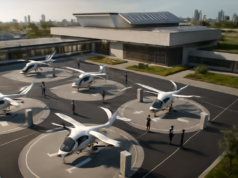

The electric vehicle and drone industry stands at a critical juncture. While technological innovations have advanced rapidly, the path from prototype to mass production remains fraught with challenges. Understanding and overcoming these barriers to scaling domestic EV drone production is essential for the future of personal air mobility and sustainable transportation solutions.
Manufacturing Infrastructure Constraints
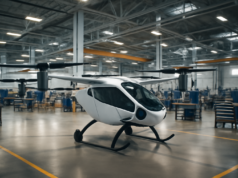
One of the most significant obstacles facing the EV drone industry is the lack of adequate manufacturing infrastructure tailored to these emerging technologies. Traditional aerospace and automotive manufacturing plants were not designed for the unique requirements of drone production, which demands precision engineering combined with innovative assembly techniques.
Companies investing in domestic production must either retrofit existing facilities or build entirely new manufacturing centers. These capital-intensive projects require substantial upfront investment, with payback periods extending over multiple years. The financial burden falls heaviest on smaller manufacturers and startups who lack the resources of established aerospace giants.
Additionally, supply chain integration remains problematic. EV drones require specialized components including advanced battery packs, lightweight composite materials, and sophisticated control systems. Establishing reliable domestic suppliers for these components takes time and requires coordinated investment across the industry ecosystem.
Regulatory and Certification Hurdles
Navigating the complex web of aviation and automotive regulations represents another formidable challenge for EV drone manufacturers. Each jurisdiction maintains its own certification requirements, and there is currently no unified international standard for personal air mobility vehicles.
The certification process itself is lengthy and expensive. Manufacturers must conduct extensive testing and provide comprehensive documentation to demonstrate safety and reliability. These regulatory requirements, while necessary for public safety, can delay market entry by 18-36 months and add millions of dollars to development costs.
Furthermore, regulations continue to evolve as governments develop frameworks specifically for unmanned and automated aerial systems. Manufacturers must maintain flexibility to adapt designs and processes as new requirements emerge, creating uncertainty in production planning and increasing overall project risk.
Technical Development and Innovation Bottlenecks
Despite significant progress, several critical technical challenges remain unresolved in EV drone development. Battery technology, while improving steadily, still falls short of delivering the energy density and flight endurance that consumers expect for practical transportation applications.
Weight reduction through advanced materials like carbon fiber composites and aluminum alloys is essential but comes at premium prices. Scaling these materials to mass production volumes while maintaining cost competitiveness requires substantial research and development investment, which strains smaller manufacturers’ budgets.
Autonomous flight systems, noise reduction technologies, and weather-resistant components all require ongoing refinement. These technical innovations cannot be rushed without compromising safety and reliability, creating a natural tension between speed-to-market and product quality that manufacturers must carefully balance.
Market Adoption and Consumer Demand
Building consumer confidence in EV drones as legitimate transportation solutions remains an uphill battle. Years of science fiction promises have created skepticism among potential users, who worry about safety, reliability, and practicality in real-world conditions.
Early adopters are essential for establishing market traction, but they remain geographically concentrated in technology-forward regions. Broader adoption requires demonstrating clear value propositions in terms of cost savings, time efficiency, and convenience compared to existing transportation options.
Marketing and educational initiatives must address public concerns about safety, noise pollution, and privacy implications. Building this trust cannot be rushed and requires consistent demonstration of responsible industry practices and transparent communication about both capabilities and limitations.
Key Takeaways for Overcoming Production Barriers
- Domestic manufacturing infrastructure must be purpose-built or extensively retrofitted to meet the unique demands of EV drone production
- Regulatory fragmentation across jurisdictions creates compliance complexity that manufacturers must navigate strategically
- Continued investment in battery technology, lightweight materials, and autonomous systems is critical for competitive advantage
- Building consumer trust through transparency and demonstrated reliability is essential for market expansion
- Industry collaboration on standards and best practices can accelerate scaling and reduce individual company burden
- Government support through research incentives and regulatory clarity can significantly reduce barriers to entry
The path to scaling domestic EV drone production requires coordinated action across multiple fronts. Manufacturers, regulators, suppliers, and consumers must work together to overcome these interconnected challenges. By investing in infrastructure, maintaining regulatory engagement, advancing critical technologies, and building consumer confidence, the industry can transform the barriers of today into the proven solutions of tomorrow. The future of personal air mobility depends on the industry’s collective ability to overcome these obstacles and deliver practical, safe, and affordable solutions to the market.