HIGHLIGHTS
- Electric VTOL and lunar exploration represent competing priorities for aerospace innovation investment and talent resources.
- Both sectors drive technological advancement in battery systems, autonomous control, and lightweight materials engineering.
- Strategic focus on near-Earth urban mobility and deep-space exploration reshape the future of aerospace industry priorities.
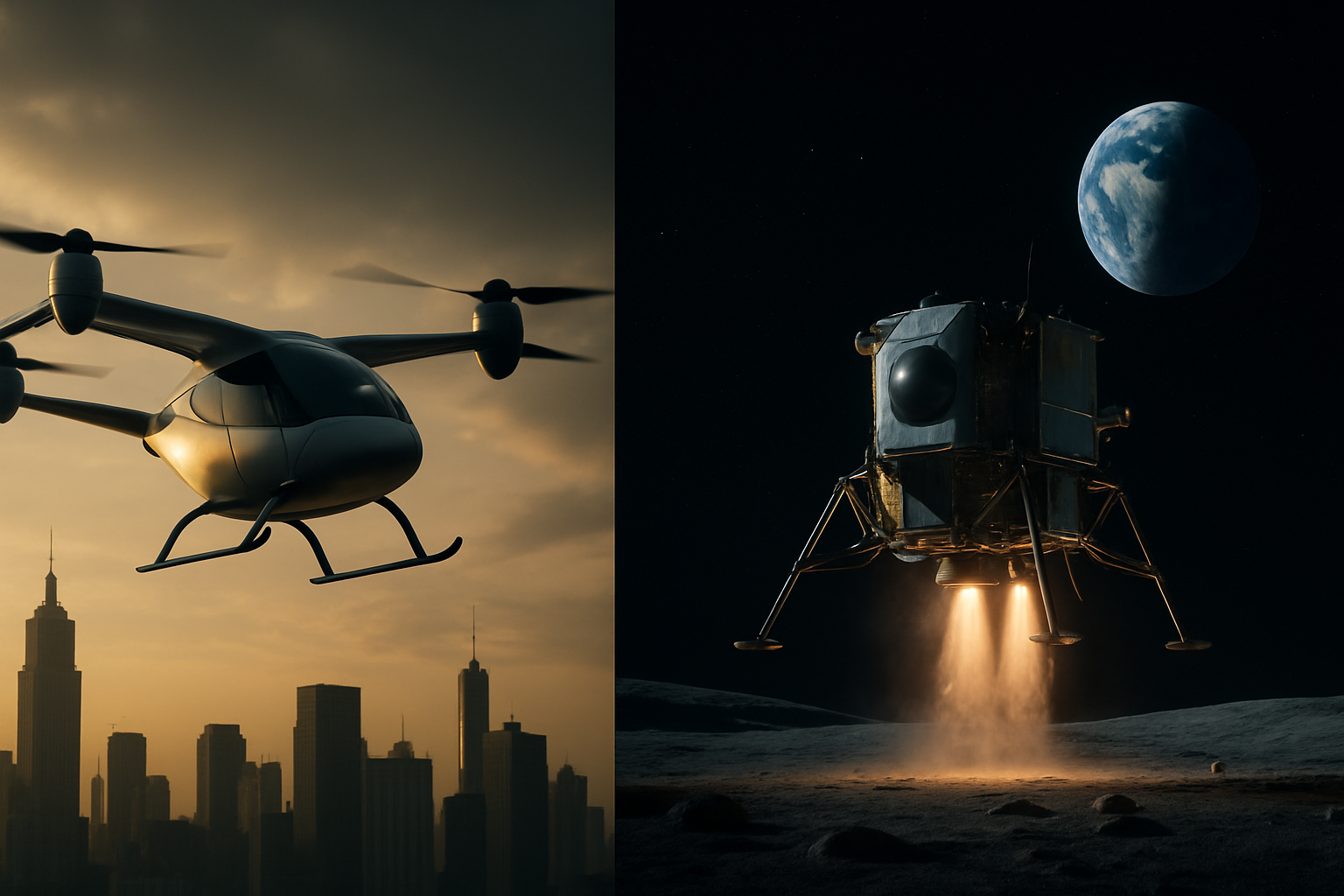
The aerospace industry stands at a crossroads as two transformative technologies compete for investment, talent, and regulatory focus: electric vertical takeoff and landing (eVTOL) aircraft and advanced lunar exploration systems. While these sectors may appear distinct, they represent competing visions for humanity’s future in aerospace innovation. Recent market analysis reveals a fascinating dynamic where resources, engineering expertise, and government support are increasingly divided between urban air mobility solutions and ambitious deep-space exploration programs.
The Race for Aerospace Innovation Capital
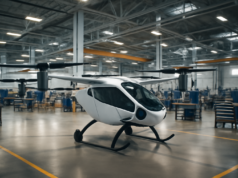
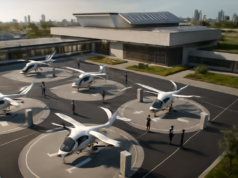
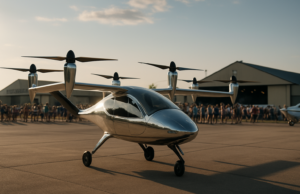
The global aerospace sector faces unprecedented demand for innovative solutions across multiple domains. Electric VTOL technology promises to revolutionize urban transportation within the next decade, with commercial operations expected to begin in major metropolitan areas. Simultaneously, lunar exploration programs have accelerated, with multiple nations and private companies targeting the Moon as a critical stepping stone for deeper space exploration. Both sectors require substantial capital investment, making the allocation of resources a strategic priority for governments and private investors.
Investment trends reveal an interesting pattern: venture capital flowing into eVTOL companies has surged, with billions of dollars supporting startups developing air taxi services, cargo delivery drones, and emergency response aircraft. Meanwhile, lunar exploration budgets have expanded at government and agency levels, particularly with renewed commitments to sustained Moon presence initiatives. This bifurcation reflects different funding philosophies—venture-backed commercialization for eVTOL versus government-led, long-term exploration for lunar missions.
The competition intensifies as both sectors vie for technical talent. Aerospace engineers, software developers, and systems designers find themselves choosing between the relatively near-term commercialization potential of urban air mobility and the longer-term, mission-critical challenges of lunar exploration. This talent migration pattern will ultimately determine which sector achieves breakthrough innovations first.
Technological Convergence and Shared Innovation
Despite apparent competition, electric VTOL development and lunar exploration programs share significant technological synergies. Both require advanced battery systems capable of sustained performance under demanding conditions. Electric VTOL batteries must deliver high power density with reliability across numerous daily cycles, while lunar landers require compact, efficient energy storage for extended surface operations. Research breakthroughs in either domain accelerate progress in the other, creating unexpected innovation spillovers.
Autonomous flight systems represent another critical overlap. eVTOL aircraft development demands sophisticated autonomous navigation, collision avoidance, and traffic management systems for urban environments. Lunar missions require equally advanced autonomous capabilities for landing precision, obstacle detection, and unmanned rover operations. The software frameworks, sensor integration approaches, and decision-making algorithms developed for one application often find rapid adoption in the other sector.
Materials science and lightweight engineering principles transcend both industries. The weight-to-strength ratios demanded by electric aircraft fuselages mirror the materials challenges faced by lunar lander design teams. Advanced composites, titanium alloys, and innovative manufacturing techniques pioneered for commercial eVTOL aircraft often emerge from research originally targeting space applications, demonstrating how competition drives cross-pollination of technical expertise.
Regulatory Frameworks and Market Development
Electric VTOL commercialization requires robust regulatory frameworks that lunar exploration, as a primarily government-led endeavor, circumvents through existing space agency protocols. Aviation authorities worldwide are actively developing airworthiness standards, pilot certification requirements, and airspace integration rules for eVTOL operations. This regulatory apparatus, while sometimes slowing innovation, establishes clear commercial viability timelines that attract sustained investment.
Lunar exploration regulations remain less developed, operating under international space treaties and individual nation space policies. However, the emerging commercial lunar economy—with companies bidding to deliver payloads to the Moon—increasingly demands clarity on resource utilization rights, liability frameworks, and environmental protection standards. The divergent regulatory trajectories reflect the different maturity levels of these sectors but also create interesting asymmetries in how quickly each can scale operations.
Market projections suggest electric VTOL services could generate hundreds of billions in annual revenue within two decades, driven by passenger air taxi services, cargo delivery, and emergency medical transport. Lunar exploration markets remain smaller but potentially more lucrative per mission, with scientific research, resource extraction, and space station support driving demand. These divergent market structures shape investment strategies and commercial timelines differently for each sector.
Strategic Implications for Aerospace Leadership
Nations and companies viewing aerospace as a strategic priority must navigate complex decisions about resource allocation between near-term eVTOL commercialization and long-term lunar exploration capability. Some stakeholders argue that urban air mobility represents the more pragmatic near-term opportunity, generating revenue and economic benefits within five to ten years. Others contend that sustained lunar presence establishes technological leadership in space commerce, positioning early movers for dominance in future deep-space industries.
Major aerospace contractors have adopted portfolio approaches, maintaining significant programs in both sectors. This strategy hedges against uncertainty regarding which technology achieves breakthrough commercial success first. However, resource constraints force difficult prioritization decisions, particularly regarding specialized engineering talent and production capacity. Companies and governments with superior execution in either domain gain asymmetric advantages that compound over time.
Geopolitical considerations add another layer of strategic complexity. Nations viewing space leadership as essential pursue aggressive lunar programs alongside supportive eVTOL policies. China’s rapid progress in both domains exemplifies this integrated strategy. Western nations balance commercial eVTOL enthusiasm with government-funded deep-space initiatives, creating different competitive dynamics. These geopolitical choices will ultimately determine which sector receives sustained support and achieves transformative scale first.
Key Takeaways for Industry Observers
- Capital allocation between eVTOL and lunar exploration represents a strategic choice with long-term competitive implications for aerospace leadership.
- Technological innovations in batteries, autonomous systems, and materials science create unexpected synergies between seemingly competing sectors.
- Regulatory maturity and market timelines differ significantly, with eVTOL offering near-term commercialization versus lunar exploration’s longer-term strategic value.
The competition between electric VTOL and lunar exploration ultimately benefits humanity through accelerated innovation across both domains. Rather than viewing these sectors as zero-sum competitors, industry strategists increasingly recognize the mutual advantage of maintaining strong programs across multiple aerospace frontiers. Success in either domain depends less on defeating the competing sector than on executing superior engineering, securing talented teams, and navigating regulatory environments effectively. The aerospace industry of the next decade will be shaped by organizations and nations that master both technologies simultaneously, leveraging synergies while maintaining focus on distinct market opportunities. As these sectors mature, their competitive dynamics will likely shift from resource scarcity to collaborative ecosystems, where breakthroughs in one domain actively accelerate progress in the other.