HIGHLIGHTS
- Pilot license requirements for flying cars vary significantly depending on vehicle classification and jurisdiction, with regulatory bodies actively developing new frameworks.
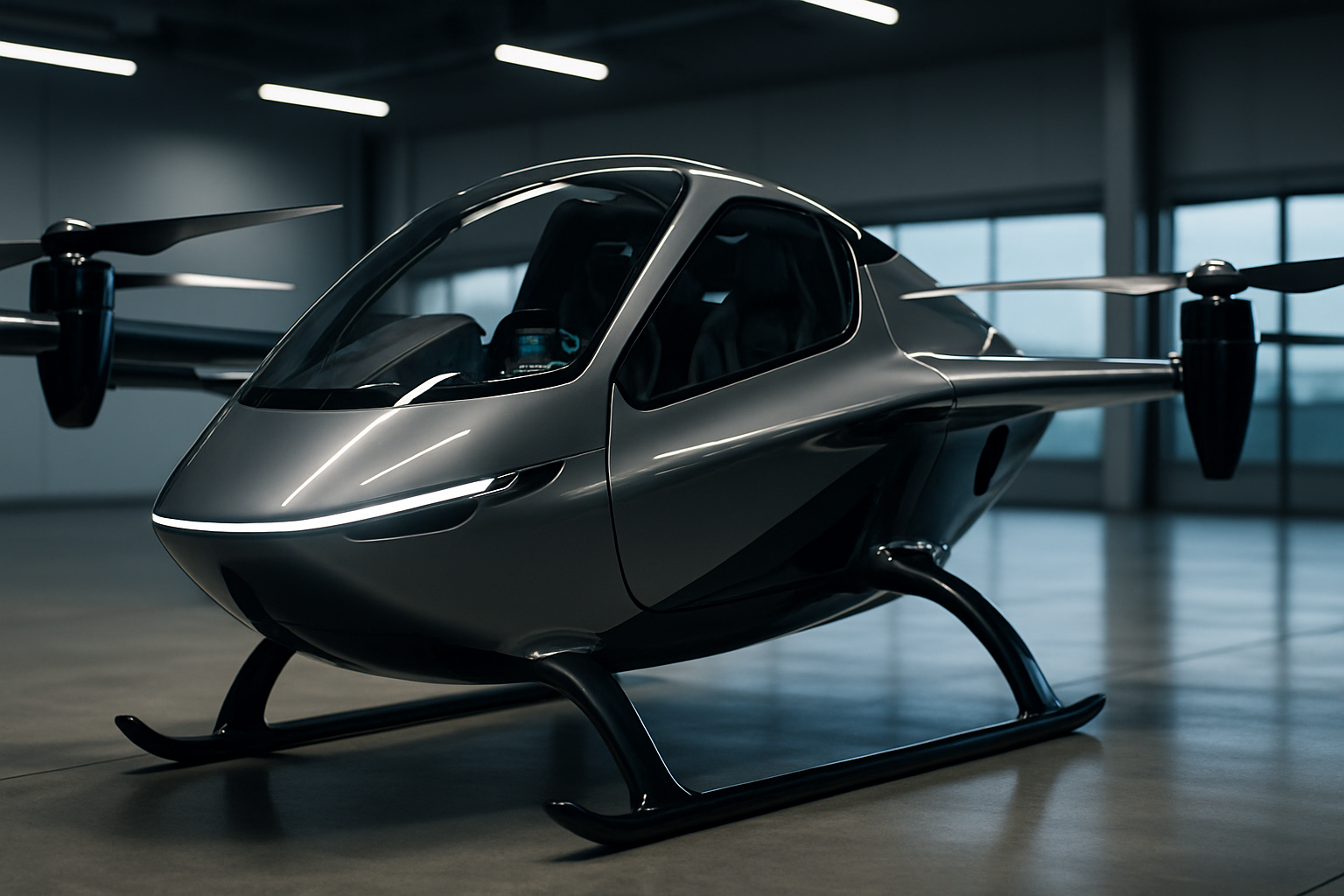
- AeroAuto’s Air EV One represents a new category of personal air mobility that could reshape licensing requirements and accessibility for average consumers.
- Current regulatory uncertainty around eVTOL and flying car operations means prospective operators should monitor FAA and international aviation authority updates closely.
The advent of personal flying cars has sparked a critical question among enthusiasts and potential buyers: Will you need a pilot’s license to operate one? The answer is far more nuanced than a simple yes or no, depending on vehicle classification, regulatory jurisdiction, and how aviation authorities categorize these emerging technologies. As companies like AeroAuto develop advanced electric vertical takeoff and landing (eVTOL) vehicles such as the Air EV One, the regulatory landscape continues to evolve, creating both opportunities and uncertainties for the future of personal air mobility.
Understanding Vehicle Classification and Regulatory Categories
The fundamental challenge in determining pilot license requirements lies in how regulatory bodies classify flying cars. Aviation authorities worldwide must decide whether these vehicles fall under traditional aircraft regulations, ultralight categories, or entirely new classifications designed specifically for personal air mobility. This classification directly impacts the licensing pathway, training requirements, and operational restrictions that owners will face.
The FAA and similar international aviation authorities are currently developing frameworks that could distinguish between fully autonomous flying cars, those requiring piloting skills, and hybrid systems that blend autonomous capabilities with manual control. AeroAuto’s Air EV One exemplifies this regulatory ambiguity—depending on its final design specifications and autonomous capabilities, it could require anything from basic certification to full commercial pilot training. The distinction between aircraft, sport aircraft, and other experimental categories becomes crucial in this context.
Historically, ultralight aircraft and recreational flying vehicles have operated under lighter regulatory scrutiny, but as flying cars approach consumer markets with higher speeds, carrying capacities, and flight envelope capabilities, authorities are reconsidering these classifications. The vehicle’s design, power source, weight, and operational altitude all factor into regulatory determination, meaning that electric propulsion alone doesn’t guarantee a simpler licensing path.
Current Regulatory Approaches Across Jurisdictions
Different countries are taking divergent approaches to regulating personal air mobility, reflecting varying safety philosophies and technological readiness assessments. The European Union Aviation Safety Agency (EASA) has established more detailed framework pathways for special conditions and type certification for novel aircraft, providing a template that other regions may follow. Meanwhile, the FAA in the United States has proposed alternative pathways including certifications for special airworthiness categories and provisional authorizations for innovative vehicle types.
In some regions, regulatory authorities are considering tiered licensing systems where basic flying car operation might require less training than traditional pilot certification but more than standard driver education. This middle-ground approach acknowledges that autonomous systems can handle significant portions of flight operations, potentially reducing the burden of comprehensive pilot training. However, establishing competency standards for emergency intervention and manual control remains a significant regulatory challenge.
Countries like Australia, Singapore, and the United Arab Emirates have positioned themselves as early adopters of urban air mobility regulations, establishing concrete pathways for eVTOL operations. These precedents are influencing discussions globally and may eventually serve as templates that other nations adapt or adopt. The competition to create favorable regulatory environments for emerging air mobility companies creates pressure for faster standardization and clearer licensing requirements.
The Role of Autonomous Technology in Licensing Requirements
Autonomous capabilities fundamentally alter licensing equations. If AeroAuto’s Air EV One or similar vehicles operate with advanced autonomous flight management systems, the licensing argument shifts from “pilot training required” to “safety operator certification preferred.” This distinction matters significantly—a safety operator or vehicle commander certification could be achieved through substantially less training than traditional pilot licensing, potentially opening personal air mobility to a broader demographic.
Current autonomous aircraft systems can handle navigation, route optimization, collision avoidance, and emergency procedures with minimal human intervention. However, regulators remain cautious about full autonomous flight without human oversight, particularly for passenger-carrying vehicles. This conservative stance ensures that human operators retain decision-making authority during critical phases of flight, which necessarily requires some level of operational competency validation—hence licensing of some form.
The challenge lies in determining minimum competency standards for operators of autonomous flying cars. Unlike traditional pilots who undergo hundreds or thousands of training hours, flying car operators might need certification demonstrating understanding of system limitations, emergency procedures, and basic aeronautical principles. This abbreviated pathway could satisfy safety requirements while remaining accessible to average consumers interested in personal air mobility.
Manufacturer Responsibility and Standardization Efforts
Leading eVTOL manufacturers, including AeroAuto, are actively working with regulatory bodies to establish manufacturing standards and operational guidelines that influence licensing requirements. These manufacturers have vested interests in creating licensing frameworks that are neither so onerous as to discourage consumer adoption nor so lenient as to create public safety risks. Industry collaboration with aviation authorities aims to harmonize standards globally, reducing compliance fragmentation.
Type certification standards for flying cars will likely mandate extensive factory testing, flight envelope verification, and safety system validation before any operational certification occurs. These manufacturing-stage requirements reduce licensing burden on individual operators, as manufacturers essentially guarantee safe vehicle operation within designed parameters. Consequently, operator licensing might focus on system-specific procedural knowledge rather than comprehensive aeronautical training.
Industry organizations are developing recommended practices and certification protocols that serve as blueprints for regulatory adoption. These proactive approaches by manufacturers like AeroAuto help shape regulatory frameworks in favorable directions, potentially accelerating the pathway toward more accessible licensing requirements. However, manufacturers must balance commercial interests with genuine safety commitments, a tension that regulatory authorities monitor carefully.
Key Takeaways for Prospective Flying Car Operators
- Pilot license requirements remain uncertain and jurisdiction-dependent, varying by vehicle type, autonomous capabilities, and local regulatory frameworks still under development
- Autonomous and semi-autonomous systems may enable reduced-licensing pathways such as safety operator certifications, potentially requiring significantly less training than traditional pilot licensing
- Early adoption countries and regulatory authorities are establishing precedents that will influence global standardization of flying car operational requirements and licensing pathways
- Manufacturer specifications and type certification processes will substantially determine individual operator licensing needs, making vehicle-specific factors as important as regulatory category
The question of whether you’ll need a pilot’s license for a flying car remains open to regulatory interpretation, but trends suggest a pragmatic middle path emerges. Rather than requiring full commercial pilot certification or eliminating licensing entirely, aviation authorities are likely establishing category-specific operational certifications tailored to autonomous flying car capabilities. As AeroAuto and competing manufacturers advance toward commercial deployment, regulatory frameworks will solidify, and clearer licensing pathways will emerge. Prospective buyers should monitor regulatory developments closely, understanding that licensing requirements will ultimately reflect a balance between safety assurance and consumer accessibility that regulators globally are still calibrating.