HIGHLIGHTS
- Archer Aviation and Anduril Industries partnered to develop fully autonomous ‘loyal wingman’ aircraft for military applications, representing a significant leap in unmanned defense systems.
- The self-flying aircraft eliminates pilot requirements, enabling extended autonomous missions with advanced AI decision-making capabilities for modern warfare scenarios.
- This partnership bridges electric vertical takeoff technology with autonomous defense platforms, potentially reshaping how military organizations approach unmanned aerial operations.
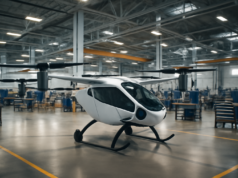
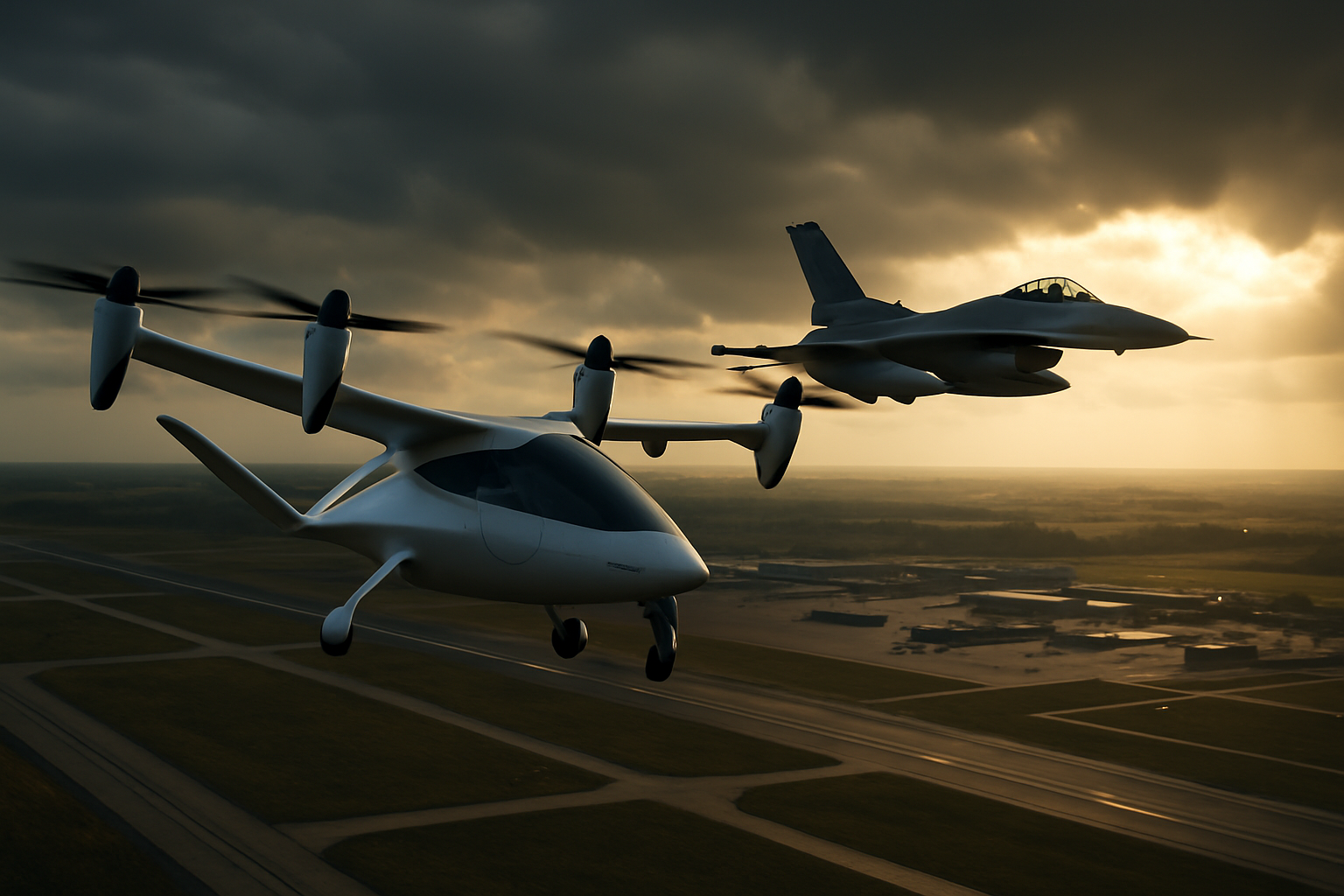
The aerospace and defense industries are witnessing a transformative moment as Archer Aviation and Anduril Industries collaborate to develop a revolutionary self-flying aircraft designed to serve as a “loyal wingman” for military operations. This partnership represents a convergence of two cutting-edge technologies: autonomous flight systems and advanced electric propulsion. The implications for military aviation are profound, suggesting a future where unmanned, AI-controlled aircraft operate seamlessly alongside traditional fighter jets and military platforms.
The Rise of Autonomous ‘Loyal Wingman’ Aircraft
The concept of a “loyal wingman” has long captured the imagination of defense strategists. Rather than a human-piloted escort, this autonomous aircraft would provide real-time support, reconnaissance, and tactical assistance to manned platforms. Archer and Anduril’s collaboration brings this vision closer to reality by combining expertise in electric vertical takeoff and landing (eVTOL) technology with sophisticated autonomous AI systems. The resulting platform promises unprecedented operational flexibility and reduced pilot workload in complex military scenarios.
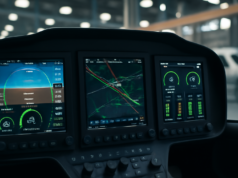
What sets this initiative apart from previous unmanned systems is the emphasis on true autonomy. Rather than relying on remote pilot control or pre-programmed flight paths, the aircraft will incorporate advanced decision-making algorithms that allow it to adapt to dynamic battlefield conditions in real-time. This level of intelligence enables the system to respond to threats, coordinate with allied forces, and execute complex maneuvers without constant human intervention. The implications extend beyond mere convenience—they fundamentally alter the tactical calculus of modern air operations.
Military organizations worldwide have been exploring unmanned combat aerial vehicles (UCAVs) for decades. However, the integration of fully autonomous systems with electric propulsion represents a new category of defense capability. Archer’s expertise in eVTOL design, traditionally focused on urban air mobility, is being repurposed to create platforms optimized for military performance. This cross-pollination of civilian aerospace innovation and defense requirements demonstrates how emerging technologies can be rapidly adapted for strategic purposes.
Archer Aviation’s Role in Defense Innovation
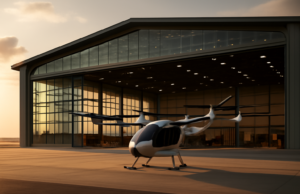
Archer Aviation, known for developing electric vertical takeoff aircraft for commercial and civilian applications, brings significant engineering expertise to this partnership. The company’s background in electric propulsion, battery optimization, and lightweight aircraft design provides a foundation for building efficient autonomous platforms. By leveraging their existing technology infrastructure, Archer can accelerate development timelines while maintaining rigorous safety and performance standards required for military applications.
The transition from civilian to military aviation presents unique engineering challenges. Military systems require enhanced durability, advanced redundancy mechanisms, and sophisticated sensor integration. Archer’s decision to enter the defense sector alongside Anduril indicates confidence in their technological foundation and recognition of market opportunities in autonomous military systems. The company’s involvement also signals broader industry recognition that eVTOL technology has applications far beyond commercial urban air mobility.
Archer’s background in handling complex certification and regulatory requirements for commercial eVTOL aircraft also provides valuable experience for navigating military procurement processes. While civilian aviation regulators focus on passenger safety and operational efficiency, military stakeholders prioritize performance, reliability, and tactical effectiveness. Archer’s experience managing diverse regulatory environments positions them well to address the specific demands of defense applications while maintaining the technological edge that defines their commercial operations.
Anduril Industries: Autonomous Systems Expertise
Anduril Industries brings deep expertise in autonomous systems, artificial intelligence, and defense technology integration. The company has established itself as a leader in developing intelligent platforms that can operate with minimal human oversight in complex, contested environments. Their AI and autonomous flight systems have been proven in various military contexts, and their approach emphasizes safety, reliability, and adaptability. By combining forces with Archer, Anduril leverages advanced electric propulsion to extend flight endurance and operational range.
Anduril’s track record in autonomous systems development demonstrates the technical maturity required for “loyal wingman” operations. The company understands the specific challenges of military autonomy, including the need for explainable AI decisions, robust cybersecurity, and seamless human-machine teaming. Their systems are designed to keep human operators informed and in control of strategic decisions while delegating tactical execution to autonomous algorithms. This philosophy ensures that military commanders retain ultimate authority while benefiting from the speed and precision of AI-driven operations.
The partnership with Archer allows Anduril to expand its platform capabilities into new operational domains. Rather than relying solely on existing airframes adapted for autonomy, the collaboration enables development of purpose-built autonomous platforms optimized from the ground up. This greenfield approach can yield superior performance characteristics, longer operational ranges, and more efficient resource utilization compared to retrofitting legacy aircraft designs with autonomous systems.
Military Applications and Operational Advantages
The “loyal wingman” concept offers numerous tactical advantages for military operations. Autonomous aircraft can perform suppressive fire, reconnaissance, and electronic warfare missions while reducing risk to human pilots. In contested airspace, these platforms can take on high-risk missions that would be unacceptable for crewed aircraft, significantly lowering the threshold for certain operational decisions. The ability to operate extended missions without pilot fatigue enables persistent monitoring and rapid response capabilities previously impossible with solely human-crewed platforms.
Coordination between autonomous and crewed platforms introduces new possibilities for complex air operations. A human pilot can focus on strategic decision-making and mission command while the autonomous wingman handles tactical execution. This division of labor can dramatically enhance operational effectiveness, allowing military forces to accomplish more with existing pilot resources. The system can also provide real-time information gathering and dissemination, creating a force multiplier effect that extends beyond simple numerical advantages.
Cost considerations further enhance the appeal of autonomous systems. While initial development costs are substantial, the elimination of pilot training requirements, reduced operational logistics, and longer operational life per platform create favorable long-term economics. Nations can deploy more operational capability across broader geographical areas with smaller pilot populations. This efficiency advantage becomes increasingly important as military budgets face pressure and recruitment challenges persist in developed nations.
Industry Impact and Future Implications
The Archer-Anduril partnership signals a broader trend of defense innovation sourcing from commercial aerospace companies. As the gap narrows between civilian and military technology, traditional defense contractors face increasing competition from agile startups with cutting-edge expertise. This collaboration demonstrates that specialized companies can successfully integrate to deliver military-grade systems without the overhead and bureaucracy often associated with legacy defense companies.
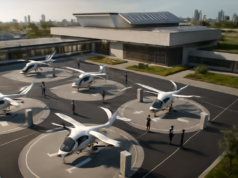
For the broader personal air mobility industry, this partnership reinforces the strategic value of eVTOL technology. While commercial urban air mobility remains uncertain in some markets, military applications provide a proven, high-value use case for autonomous electric aircraft. This validation helps justify continued investment in foundational eVTOL technology that will eventually benefit civilian applications. The dual-use nature of these systems creates interesting dynamics where military funding and development can accelerate civilian technology maturation.
Regulatory frameworks for autonomous military systems remain underdeveloped globally. The success of the Archer-Anduril platform will influence how governments approach certification and operational approval for unmanned systems. As other defense organizations and aerospace companies witness the progress of this collaboration, expect accelerated development timelines across the industry. The competitive pressure to deploy autonomous “loyal wingman” capabilities could trigger a new arms race in autonomous military aviation.
Key Takeaways: Strategic Implications of Autonomous Wingman Technology
- Archer and Anduril’s autonomous platform represents a convergence of electric propulsion and advanced AI, creating a new category of military capability that challenges traditional aviation concepts.
- The “loyal wingman” system enables extended autonomous operations, reduces pilot workload, and creates force multiplication effects that fundamentally alter modern air warfare dynamics.
- This partnership demonstrates how commercial aerospace innovators are reshaping defense technology development, with implications for industry consolidation, regulatory frameworks, and global military modernization priorities.
The development of Archer and Anduril’s self-flying “loyal wingman” aircraft marks a watershed moment in military aviation. As autonomous systems mature and electric propulsion technology advances, the barriers between civilian and military aviation continue to erode. This collaboration will likely serve as a model for future partnerships, demonstrating how specialized companies can combine expertise to deliver cutting-edge defense capabilities. For observers of the personal air mobility and autonomous systems industries, this partnership reinforces that the future of aviation belongs to organizations willing to embrace electric propulsion, artificial intelligence, and autonomous operation. The next decade will reveal whether these systems revolutionize military aviation or require significant refinement—but one certainty remains: unmanned, autonomous aircraft are no longer science fiction; they are operational reality.