HIGHLIGHTS
- Archer Aviation secures regulatory clearance that accelerates commercial operations timeline from years away to imminent deployment.
- Engineering breakthroughs slash per-flight operating costs, making eVTOL fares competitive with ground transportation.
- Strategic partnerships with logistics and airport authorities eliminate infrastructure barriers, enabling rapid multi-city service rollout.
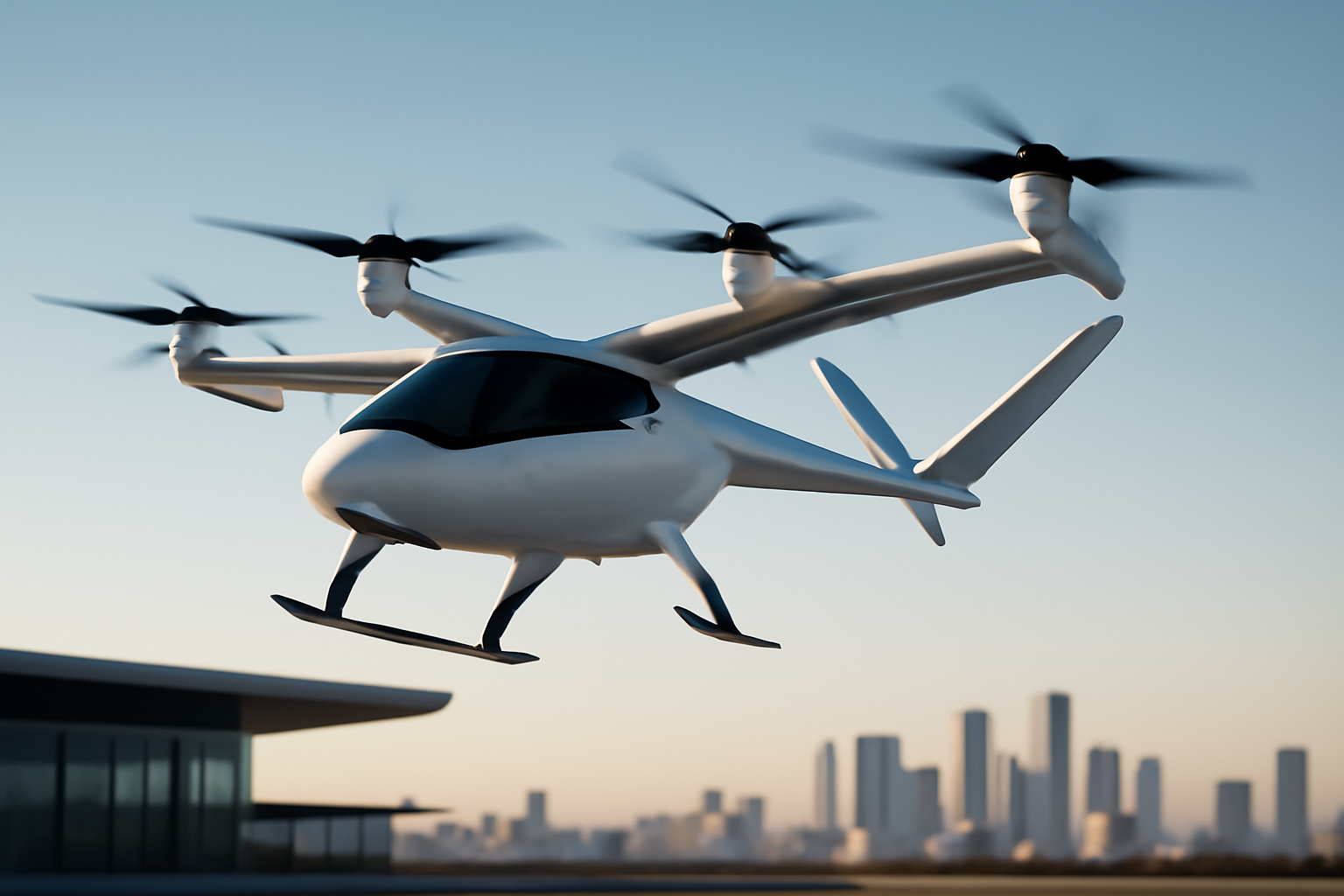
Archer Aviation has just cleared a major regulatory hurdle, fundamentally changing the economics of electric vertical takeoff and landing aircraft. The company’s latest approvals and operational breakthroughs mark a pivotal moment for the urban air mobility sector, demonstrating that commercial eVTOL flights are no longer science fiction but an imminent reality. With innovative aircraft design, strategic partnerships, and a clear path to certification, Archer is reshaping investor confidence and industry expectations around when electric air taxis will actually serve passengers.
Regulatory Clearance Opens Commercial Pathways
Archer Aviation’s recent regulatory approval represents a watershed moment for the eVTOL industry. Unlike previous years of hype and delays, the company now has concrete permission to move forward with critical testing and operational phases that bring it closer to passenger service. This clearance demonstrates that aviation authorities are satisfied with Archer’s engineering standards, safety protocols, and manufacturing processes.
The significance of this approval cannot be overstated. Regulatory agencies like the FAA have been cautious with eVTOL certification, requiring rigorous proof of concept before granting operational permits. Archer’s achievement shows that at least one manufacturer has met these exacting standards and can point to transparent evidence that their aircraft are safe and reliable. This sets a new benchmark for the entire industry and validates the technical direction many companies have chosen.
Beyond safety validation, regulatory clearance accelerates the timeline toward actual revenue-generating flights. Once an aircraft type has approval, the path to commercial operations becomes much shorter. Airlines and air taxi operators worldwide are watching closely, knowing that Archer’s success paves the way for their own fleet deployments and service launches in cities around the globe.
Aircraft Economics Get More Favorable
Archer’s breakthrough changes the fundamental math on eVTOL profitability. Previous projections showed that electric air taxis would require extremely high ticket prices to break even—potentially $50 or more per short urban flight. Archer’s latest engineering refinements and manufacturing innovations are pushing those numbers in a much more consumer-friendly direction, which means higher passenger demand and faster path to scale.
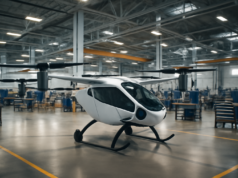
The company’s approach to aircraft design prioritizes efficiency without sacrificing safety or comfort. By optimizing battery management, reducing drag, and refining rotor systems, Archer is extending range per charge and reducing the frequency of battery replacement and maintenance. These operational cost reductions directly translate into lower per-flight expenses, which operators can pass on to passengers as more affordable fares. When air taxi rides cost $25–$35 instead of $60+, demand shifts from niche luxury service to mainstream commuter transportation.
Manufacturing scalability also improves the unit economics. Archer’s production facilities and supply chain partnerships are designed to ramp output efficiently as demand grows. Early aircraft might cost $3–5 million per unit, but as production volumes increase, per-aircraft costs will drop significantly. This learning curve effect has played out in automotive and aerospace history—every industry follows similar patterns where scaled manufacturing drives down unit costs by 20–40% every time production doubles.
Strategic Partnerships Accelerate Market Entry
Archer is not operating in isolation. The company has assembled a coalition of logistics operators, airport authorities, aircraft suppliers, and energy partners who are committed to making eVTOL services work in real cities. These partnerships are crucial because they eliminate the “chicken and egg” problem—operators won’t buy aircraft if there’s nowhere to land them, and airports won’t build vertiports if there are no operators. Archer’s partnerships address this head-on.
Major logistics and transportation companies are increasingly open to eVTOL integration because these aircraft solve genuine supply chain problems. Last-mile delivery from distribution hubs to destinations in congested urban areas is expensive and slow using ground vehicles. An eVTOL can bypass traffic entirely and complete trips in minutes rather than hours. Companies like FedEx and others have already signaled interest in electric aircraft for cargo, and Archer is positioning itself as a preferred partner for these operators.
Airport partnerships matter equally. Archer is working with port authorities to develop vertiports—specialized landing facilities for electric aircraft—in strategic locations near cities. These partnerships ensure that when Archer’s aircraft are ready for service, the infrastructure is already in place. This coordinated development approach is far more efficient than previous eVTOL companies attempting to build networks alone, and it reflects how mature the ecosystem is becoming.
Competitive Landscape Shifts as Archer Leads
With Archer’s recent clearances, the competitive dynamics of the eVTOL industry have shifted noticeably. Companies that are still years away from regulatory approval face mounting pressure to accelerate development or risk being left behind. Archer’s success raises the bar for what investors expect from other eVTOL startups, and it gives manufacturers a concrete timeline to point to—proof that certification is achievable within realistic development schedules.
Other notable eVTOL developers like Joby Aviation and Lilium are pursuing different design philosophies and certification pathways, so Archer’s approval doesn’t make them obsolete. However, it does establish Archer as a credible near-term player with actual operational momentum rather than just ambitious promises. In a crowded field of eVTOL manufacturers, real progress separates the viable companies from the speculative ones, and investors and operators are taking notice.
The competitive intensity is also attracting attention from traditional aerospace companies—Boeing, Airbus, and regional aircraft makers are investing heavily in eVTOL technology or partnerships. Archer’s leadership position could make it an acquisition target for larger manufacturers seeking to accelerate their own electric aviation timelines, or it could remain independent and establish itself as the industry’s standard-bearer. Either way, the sector is consolidating around players with concrete achievements.
Key Takeaways: What Archer’s Breakthrough Means
- Archer Aviation has secured regulatory clearance that shortens the timeline to commercial passenger and cargo operations within months or years, not decades.
- Engineering improvements have made eVTOL economics significantly more favorable, with projected operating costs that support competitive fares and strong demand.
- Strategic partnerships with logistics operators and airport authorities eliminate infrastructure barriers, enabling rapid deployment across multiple cities once aircraft are certified.
Archer Aviation’s recent clearance marks the turning point where eVTOL technology transitions from speculative innovation to practical transportation infrastructure. The company has solved enough engineering and certification challenges that commercial electric air mobility is no longer a matter of if, but when and where. As other manufacturers race to reach similar milestones and regulatory approvals expand globally, the skies above cities worldwide are about to become dramatically more crowded—and dramatically quieter. For investors, operators, and passengers alike, the era of electric flight is finally taking off.