HIGHLIGHTS
- Central Florida selected for flying vehicle and eVTOL testing, leveraging regional aviation infrastructure and supportive regulatory environment
- Real-world flight trials generate critical safety validation data and FAA compliance evidence essential for commercial certification timelines
- Testing programs create immediate jobs and position Central Florida as a hub for urban air mobility innovation with long-term economic benefits
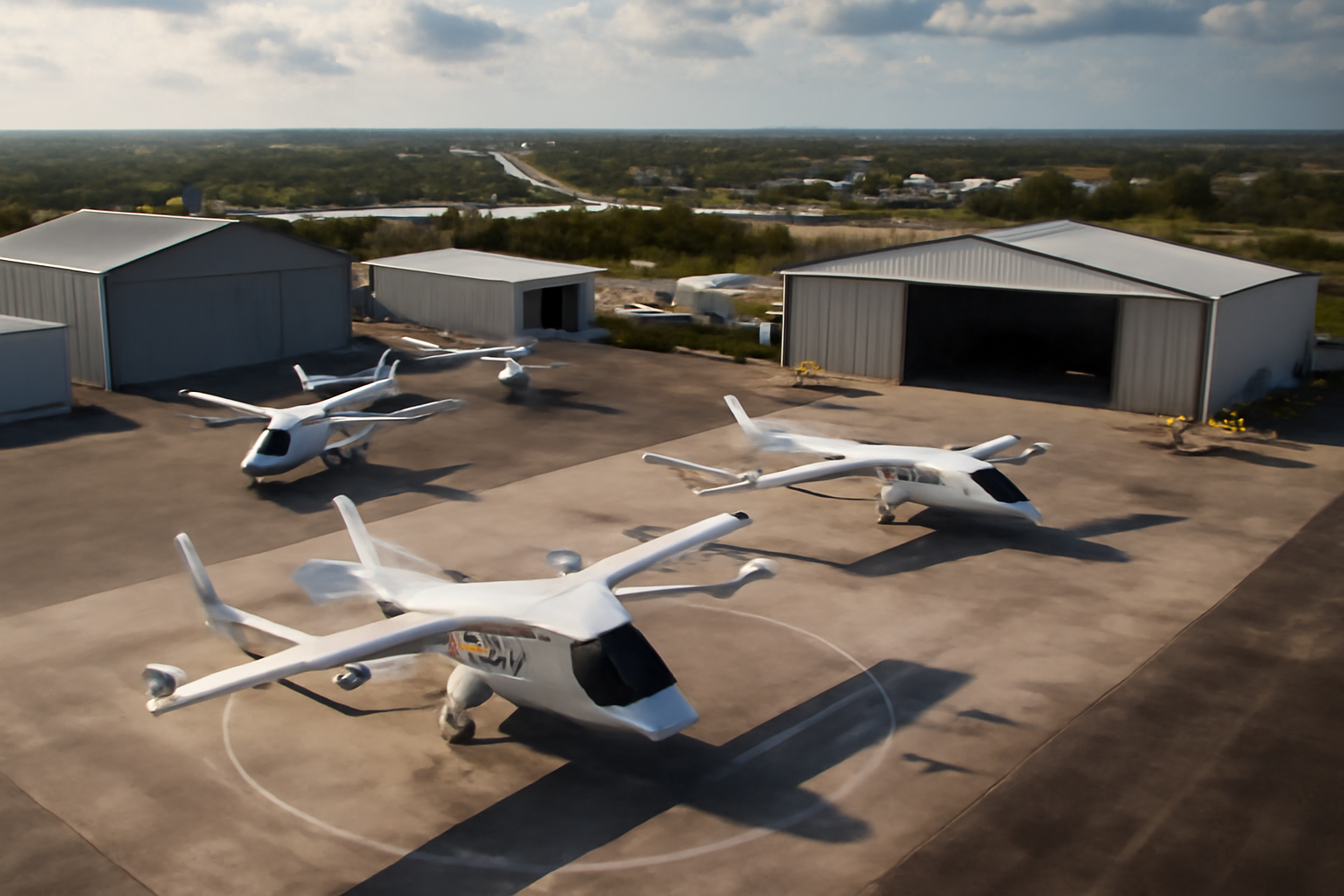
Central Florida is becoming a testing ground for advanced flying vehicle technology, signaling a significant shift in how urban air mobility is being developed and validated across the United States. The arrival of eVTOL (electric vertical takeoff and landing) aircraft testing in this region represents a crucial step forward for companies working to commercialize personal air vehicles and establish safe operational protocols for integrated urban airspace.
Central Florida’s Emergence as an Aviation Innovation Hub
The decision to conduct flying vehicle testing in Central Florida reflects the region’s growing importance as a technology development center. With its proximity to major metropolitan areas, existing aviation infrastructure, and supportive regulatory environment, Central Florida offers ideal conditions for advancing next-generation aerial transportation systems. The region has been attracting significant investment and attention from aerospace companies seeking to transition from laboratory testing to real-world flight validation.
Florida’s geographic advantages extend beyond weather conditions and airspace availability. The state has demonstrated strong support for aerospace innovation through partnerships with federal agencies and development of specialized testing facilities. Central Florida’s established aerospace ecosystem, combined with a growing tech-forward business community, creates a collaborative environment where eVTOL developers can work with regulators, safety experts, and infrastructure partners simultaneously.
This testing initiative positions Central Florida as a competitive destination for personal air mobility innovation, potentially attracting additional companies, jobs, and economic development to the region. As more eVTOL manufacturers and developers establish testing operations locally, the area could evolve into a recognized epicenter for urban air mobility advancement, similar to how Silicon Valley became synonymous with software innovation.
eVTOL Technology Development and Real-World Validation
Flying vehicle technology encompasses a broad range of innovations designed to enable safe, efficient, and sustainable aerial transportation. eVTOL aircraft represent the most commercially advanced segment, with companies worldwide racing to achieve certification and launch revenue-generating services. These vehicles combine electric propulsion systems, sophisticated autonomous flight controls, and redundant safety systems to enable short-haul urban flights previously impossible with traditional helicopters.
Real-world testing remains essential for validating technology performance, refining operational procedures, and building regulatory confidence. Flight trials in controlled environments allow engineers to gather data on propulsion efficiency, battery performance, noise levels, and system reliability under actual environmental conditions. These tests generate the evidence base necessary for regulators like the FAA to establish appropriate certification standards and operational requirements.
Central Florida’s testing program will likely focus on multiple validation objectives, including stability and control characteristics, emergency response procedures, electromagnetic compatibility, and integration with existing air traffic systems. The data collected during these flights directly informs the certification pathway and helps identify design refinements needed before commercial operations begin. Success in these trials accelerates the timeline toward launching actual passenger and cargo services.
Regulatory Pathways and Safety Certification
The Federal Aviation Administration has established a structured certification process for novel aircraft types, including eVTOL vehicles. This regulatory framework requires comprehensive testing data, detailed design documentation, and demonstrated compliance with applicable airworthiness standards. Central Florida testing directly contributes to meeting these regulatory requirements while building the safety case necessary for public acceptance of flying vehicles.
Collaboration between testing operators, regulatory agencies, and equipment manufacturers streamlines the certification process and ensures that safety considerations receive appropriate priority. Early-stage testing programs in Central Florida likely involve FAA representatives observing operations, reviewing data, and providing feedback on compliance pathways. This collaborative approach reduces development timelines and increases the likelihood of successful certification.
Public safety and airspace integration represent primary regulatory concerns. Testing in Central Florida allows authorities to evaluate how eVTOL operations interact with existing helicopter traffic, general aviation, and potential future autonomous systems. Demonstrating safe integration with established airspace users provides crucial evidence supporting regulatory approval for expanded operations in densely populated urban areas.
Economic and Infrastructure Implications for the Region
Flying vehicle testing programs generate significant economic activity and employment opportunities within host regions. Engineers, technicians, mechanics, and support staff required for comprehensive testing operations represent well-paying jobs for the local economy. Beyond direct employment, testing programs attract supply chain vendors, hospitality services, and professional service providers supporting the development ecosystem.
Infrastructure development frequently accompanies aviation technology advancement. Testing facilities, charging infrastructure, landing pads, and operational support facilities must be constructed or adapted to support eVTOL operations. These infrastructure investments often benefit broader transportation networks and create lasting assets supporting future commercial operations and related industries.
Central Florida’s testing program positions the region to capture early opportunities in the emerging urban air mobility market. As the eVTOL industry matures and commercial services launch, regions with established testing infrastructure, regulatory relationships, and operational expertise gain competitive advantages for hosting operational bases, maintenance facilities, and service centers. Investment in testing infrastructure today translates into sustainable economic benefits throughout the commercialization timeline.
Timeline and Future Expansion Prospects
The initiation of flying vehicle testing in Central Florida represents an intermediate stage in the industry’s development trajectory. Most major eVTOL manufacturers have already completed initial prototype flights and conducted preliminary testing at private facilities. Central Florida’s program signals transition toward more intensive, longer-duration testing campaigns necessary for gathering comprehensive performance data across diverse operational scenarios.
Industry analysts project that the first commercial eVTOL passenger services will launch within the next two to three years, with initial operations focused on airport shuttle routes and point-to-point urban transportation. Central Florida testing programs contribute directly to achieving these commercialization milestones by validating safety systems, refining operational procedures, and demonstrating regulatory compliance. Success at this testing phase accelerates broader geographic expansion of eVTOL operations.
Future expansion may include expanded testing programs focused on specific operational concepts, such as autonomous flight, increased payload capacity, extended range operations, or integration with ground-based infrastructure systems. As initial commercial services launch successfully, testing locations like Central Florida become natural sites for advancing next-generation capabilities and validating operational concepts supporting broader market penetration.
Key Takeaways from Central Florida’s Flying Vehicle Testing Program
- Central Florida’s geographic location, aviation infrastructure, and regulatory support make it an ideal testing site for validating eVTOL technology before commercial deployment
- Real-world flight testing programs generate essential safety data and regulatory compliance evidence necessary for FAA certification and public confidence in flying vehicle operations
- Regional eVTOL testing investments create immediate employment opportunities and position Central Florida to capture economic benefits from the emerging urban air mobility industry over the coming decade
The arrival of flying vehicle testing in Central Florida marks a pivotal moment in the commercialization journey for electric vertical takeoff and landing technology. By providing a location where engineers can validate designs, regulators can assess safety systems, and stakeholders can collaborate on implementation strategies, Central Florida testing programs accelerate the transition from laboratory prototypes to revenue-generating services. As this testing phase progresses successfully, expect expanded operations, additional industry participants, and growing confidence in eVTOL technology’s role in future urban transportation networks. For Central Florida residents and the broader aviation community, these developments represent tangible progress toward a fundamentally transformed personal air mobility landscape.