HIGHLIGHTS
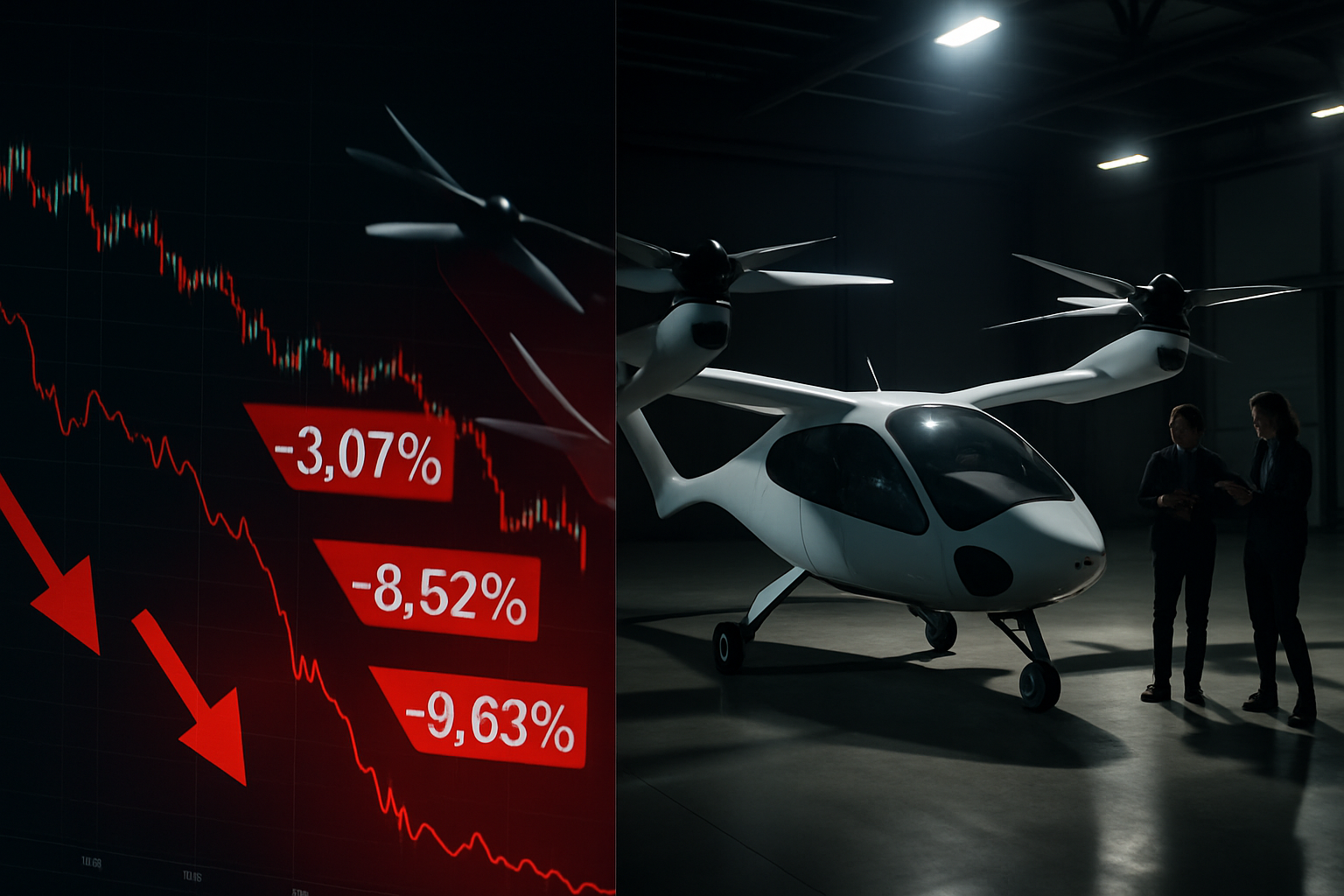
- Joby Aviation stock declined 5.81% on July 28, 2026, signaling investor concerns about near-term profitability and market readiness.
- Market volatility in the eVTOL sector reflects broader challenges including regulatory timelines, operational scalability, and cash runway for emerging air mobility companies.
- Strategic positioning and financial stability remain critical differentiators for personal air mobility leaders competing to achieve commercial launch milestones.
Joby Aviation, Inc., one of the most promising players in the electric vertical takeoff and landing (eVTOL) sector, experienced a notable stock decline of 5.81% on July 28, 2026. This market movement has reignited conversations about investor confidence, operational timelines, and the broader financial health of the personal air mobility industry. As the company continues to navigate regulatory approvals and production scaling challenges, understanding the factors behind this stock movement is essential for investors, industry analysts, and enthusiasts tracking the trajectory of urban air mobility solutions.
Market Sentiment and Investor Concerns
The 5.81% decline in Joby Aviation’s stock reflects broader market sentiment about the commercialization timeline for eVTOL aircraft. Investors have grown increasingly scrutinous about when companies in this space will transition from development and testing phases to revenue-generating operations. Joby Aviation, despite significant progress in aircraft certification and infrastructure partnerships, faces expectations to demonstrate clear pathways to profitability and substantial passenger operations.
Market corrections in the eVTOL sector are not uncommon, as the industry requires patience for regulatory milestones and operational scaling. However, each stock movement creates ripples across the investment community, influencing how venture capital, institutional investors, and retail shareholders evaluate their exposure to personal air mobility. The July 28 decline suggests that recent news, financial metrics, or broader market conditions triggered profit-taking or position reevaluation among Joby investors.
Understanding these market dynamics is crucial for stakeholders who believe in the long-term potential of urban air mobility. Stock volatility, while unsettling in the short term, is a natural feature of emerging technology sectors where commercialization timelines extend beyond traditional aerospace horizons. The company’s fundamental strengths—advanced aircraft design, regulatory progress, and strategic partnerships—remain intact despite daily market fluctuations.
Regulatory Progress and Operational Timeline Uncertainties
Joby Aviation’s path to commercial operations depends heavily on regulatory certifications from agencies like the Federal Aviation Administration (FAA). The company has made substantial strides, including special airworthiness certificates and development flight test approvals. However, the journey from testing to full commercial air service requires sustained regulatory engagement, safety validation, and infrastructure deployment at unprecedented scale.
Investors often reassess their positions when regulatory timelines face delays or when certification milestones slip beyond initially projected windows. The eVTOL industry operates in a nascent regulatory environment where agencies and manufacturers are simultaneously defining standards, safety protocols, and operational procedures. This collaborative but uncertain process creates natural pressure points where investor sentiment can shift quickly.
Joby’s operational partnerships, particularly with ride-sharing platforms and airport operators, depend on timely regulatory clearances. Any perceived delay in obtaining necessary certifications or achieving commercial launch readiness can prompt market corrections. The July 28 stock decline may reflect updated guidance about timelines, competitive developments, or broader economic concerns affecting transportation investments.
Competitive Pressures in the eVTOL Landscape
The personal air mobility sector has attracted numerous competitors, each vying to capture market share in what could become a multi-billion-dollar industry. Companies like Archer Aviation, Lilium, Volocopter, and others are pursuing similar certification and commercialization pathways. This competitive intensity places ongoing pressure on Joby to demonstrate technological superiority, financial prudence, and operational readiness relative to rivals.
Stock performance becomes a relative metric in highly competitive sectors. If competitors announce favorable regulatory developments, funding rounds, or strategic partnerships, it can shift investor attention and capital allocation. Conversely, if Joby faces challenges that competitors avoid, the market may reassess the company’s competitive position and long-term viability. The 5.81% decline could reflect competitive developments, market share concerns, or investor portfolio rebalancing in favor of alternative air mobility technologies.
Industry analysts continuously evaluate which companies possess the technical prowess, financial runway, and strategic positioning to emerge as market leaders. Stock movements often precede major market shifts, signaling that sophisticated investors are positioning themselves based on forward-looking competitive assessments. Joby’s ability to maintain technological differentiation and operational focus will be critical to regaining investor confidence.
Financial Sustainability and Runway Considerations
One of the most critical factors affecting eVTOL company valuations is cash runway—the estimated period a company can sustain operations with existing capital. Joby Aviation, like most early-stage aerospace companies, requires substantial ongoing investment in aircraft development, testing, regulatory compliance, and manufacturing infrastructure. The company’s ability to extend its financial runway through strategic funding or partnerships directly impacts investor confidence.
Stock declines in pre-revenue or early-revenue companies like Joby often coincide with updated financial guidance, funding announcements, or cash burn assessments. Investors paying close attention to quarterly burn rates, capital efficiency, and path to positive unit economics react swiftly to any news suggesting that runway is tightening or that profitability timelines are extending. The July 28 decline may reflect financial metrics or guidance updates that prompted recalibration of valuation models.
The personal air mobility industry requires patient capital willing to support companies through extended development and commercialization phases. However, investor patience is not unlimited. If Joby faces pressure regarding cash reserves, burn rates, or the need for additional dilutive funding rounds, stock performance often reflects these concerns before formal announcements are made. Demonstrating financial discipline and a clear roadmap to sustainable operations remains paramount.
Key Industry Implications and Broader Market Outlook
Strategic Considerations for the eVTOL Sector
- Stock volatility in leading eVTOL companies signals the market’s expectation that commercialization timelines and profitability pathways remain uncertain, underscoring the need for strategic partnerships and operational milestones to rebuild investor confidence.
- Regulatory progress, competitive positioning, and financial sustainability are the three primary drivers of investor sentiment in the personal air mobility sector, and companies must demonstrate advancement in all three areas simultaneously.
- Market corrections provide opportunities for long-term investors to reassess valuations and for industry leaders to reinforce their strategic advantages through partnerships, technological breakthroughs, or operational announcements.
The stock market decline for Joby Aviation, while notable, should be contextualized within the broader challenges and opportunities defining the eVTOL industry. Personal air mobility remains one of the most ambitious and potentially transformative transportation sectors, but commercialization requires navigating complex regulatory landscapes, competing technologies, and substantial capital requirements. Joby’s position as a leading candidate for commercial success hasn’t fundamentally changed due to a single-day stock movement. What matters now is the company’s ability to demonstrate progress on regulatory approvals, operational readiness, and financial sustainability over the coming quarters. Investors and industry observers should view stock volatility as a natural feature of emerging technology sectors, while focusing on fundamental metrics that will ultimately determine which companies lead the transformation of urban and regional air mobility. As the eVTOL sector matures, companies that consistently deliver on regulatory milestones, technological innovation, and operational execution will ultimately reward investor confidence.