
HIGHLIGHTS
- Sri Lanka is actively exploring passenger drones as part of its future urban transport system to address congestion and modernize infrastructure.
- Implementation requires developing comprehensive regulatory frameworks, vertiport networks, and charging infrastructure tailored to Sri Lanka’s tropical climate.
- Early adoption of eVTOL technology could generate significant economic benefits through tourism growth, job creation, and positioning Sri Lanka as a regional innovation leader.
Sri Lanka is exploring the integration of passenger drones into its future transport system, signaling a significant shift toward embracing personal air mobility technology. The nation’s investigation into electric vertical takeoff and landing (eVTOL) aircraft represents a strategic move to modernize urban transportation infrastructure and position itself as an innovation leader in South Asia. With increasing congestion in major cities and growing interest in sustainable transport solutions, Sri Lanka’s exploration of passenger drone technology could transform how citizens and tourists navigate the island nation.
Sri Lanka’s Vision for Urban Air Mobility
Sri Lanka’s exploration of passenger drones is part of a broader vision to create a modern, efficient, and sustainable transport ecosystem. The nation’s government and transport authorities recognize that traditional ground-based infrastructure alone cannot address the escalating congestion challenges in urban centers like Colombo. By investigating eVTOL technology, Sri Lanka aims to develop a comprehensive transport network that spans multiple dimensions—ground, air, and potentially integrated multi-modal systems.
The interest in passenger drones aligns with global trends where countries are actively exploring air mobility solutions to reduce traffic congestion, lower carbon emissions, and improve connectivity. Cities across Asia, Europe, and North America are investing in eVTOL infrastructure and regulatory frameworks, creating a competitive landscape where early adopters gain significant advantages. Sri Lanka’s proactive stance positions the country to benefit from this technological revolution while addressing its unique geographic and urban challenges.
Government agencies involved in transport planning are working to understand the feasibility of integrating passenger drones into existing infrastructure. This includes assessing airspace management, developing new regulations, and identifying potential routes and landing sites. The comprehensive approach demonstrates Sri Lanka’s commitment to implementing passenger drone technology thoughtfully and sustainably, rather than rushing into adoption without proper planning.
Technical and Operational Considerations
The exploration of passenger drones in Sri Lanka involves evaluating the technical specifications and operational capabilities of various eVTOL platforms. These aircraft typically combine the efficiency of electric powertrains with the vertical takeoff and landing capabilities that eliminate the need for traditional runways. The environmental benefits are substantial, as electric propulsion produces zero direct emissions while reducing the noise pollution associated with conventional aircraft and helicopters.
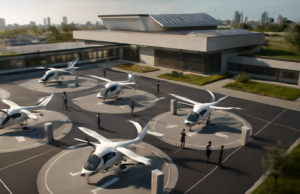
Operational infrastructure represents a critical consideration for implementing passenger drone services. Landing sites, commonly referred to as vertiports, would need to be strategically located throughout urban and suburban areas to maximize accessibility and efficiency. Sri Lanka’s planners must evaluate which locations would serve the highest passenger demand while minimizing conflicts with existing urban infrastructure, residential areas, and commercial zones. Potential vertiports could be integrated into shopping centers, office complexes, hotels, or dedicated transportation hubs.
Battery technology and charging infrastructure form the technological backbone of any passenger drone operation. Modern eVTOL aircraft rely on advanced lithium-ion battery systems that continue to improve in energy density and charging speed. Sri Lanka would need to establish a robust charging network to support fleet operations while managing peak demand periods. Additionally, maintenance facilities and trained technical personnel would be essential to ensure aircraft reliability and passenger safety standards.
Regulatory Framework and Safety Standards
Developing comprehensive regulatory frameworks represents one of the most significant challenges in implementing passenger drone services. Sri Lanka’s aviation authorities must establish clear guidelines for pilot certification, aircraft certification, air traffic management, and passenger safety protocols. These regulations need to balance innovation and rapid deployment with rigorous safety standards that protect the public and maintain confidence in the technology.
International cooperation plays a vital role in establishing regulatory standards for passenger drones. Organizations like the International Civil Aviation Organization (ICAO) and regional aviation bodies provide guidance and best practices that help countries develop consistent safety standards. Sri Lanka can leverage these international frameworks while adapting them to local conditions, airspace characteristics, and operational requirements specific to the island nation.
Safety certification involves rigorous testing of aircraft design, propulsion systems, emergency procedures, and pilot training protocols. Regulatory authorities will need to work closely with aircraft manufacturers and operators to establish certification processes that ensure passenger drones meet the highest safety standards. This includes developing procedures for emergency operations, redundancy systems, and failsafe mechanisms that protect passengers and ground-level populations.
Economic and Tourism Implications
The introduction of passenger drone services could generate significant economic benefits for Sri Lanka’s tourism and transportation sectors. Elite tourists and business travelers might be willing to pay premium fares for faster, more scenic journeys between major cities and attractions. Passenger drones could reduce travel times between Colombo and popular destinations like Kandy or the coastal resorts, creating new opportunities for tourism operators and hospitality businesses.
Job creation represents another substantial economic benefit of passenger drone implementation. The technology would require skilled pilots, engineers, maintenance technicians, vertiport operators, and support staff. Training programs and educational institutions could develop expertise in eVTOL operations, positioning Sri Lanka as a regional hub for air mobility knowledge and talent. This economic diversification could reduce dependency on traditional tourism and export sectors while attracting technology-focused investments.
The competitive advantage gained by early adoption of passenger drone technology could enhance Sri Lanka’s international reputation as an innovation leader. The country could attract technology companies, research institutions, and venture capital investments interested in developing and testing eVTOL systems. Additionally, successful implementation could generate valuable data and operational insights that position Sri Lanka as an expert in deploying air mobility solutions in tropical, geographically diverse environments.
Challenges and Implementation Timeline
Implementing a functional passenger drone network in Sri Lanka faces several substantial challenges that require careful planning and resource allocation. Infrastructure costs, including vertiport development and charging networks, represent significant capital expenditures. Additionally, public acceptance and confidence in the technology is crucial—authorities must conduct public education campaigns to address safety concerns and demonstrate the benefits of passenger drone services.
Weather considerations are particularly important for Sri Lanka, given its tropical climate and seasonal monsoon patterns. Passenger drone operations must be designed to handle frequent rain, high humidity, and strong winds that characterize certain seasons. Aircraft design, operational procedures, and safety protocols must all account for these environmental factors to ensure reliable service year-round.
The implementation timeline for passenger drone services in Sri Lanka will likely span several years. Initial phases would focus on regulatory development, pilot projects with specific routes, and infrastructure preparation. Gradual expansion would follow successful completion of early operations, with widespread integration into the transport network occurring over a 5-10 year horizon. This phased approach allows for continuous learning, technology refinement, and public acceptance building.
Key Implementation Considerations
- Development of comprehensive air traffic management systems to safely integrate drones with existing helicopter and airplane operations
- Establishment of vertiport networks in major cities with seamless connections to ground-based public transportation systems
- Creation of training programs and certification standards for pilots and maintenance personnel to ensure operational excellence
- Public engagement strategies to build confidence in passenger drone safety and environmental benefits
- Integration of passenger drone services with digital booking platforms and fare structures competitive with alternative transport modes
Sri Lanka’s exploration of passenger drones represents a forward-thinking approach to addressing modern transportation challenges while positioning the nation for sustainable economic growth. By investigating the feasibility of eVTOL integration into its transport system, Sri Lanka demonstrates leadership in adopting emerging technologies that promise significant environmental and operational benefits. Success in implementing passenger drone services could transform urban mobility, enhance tourism experiences, and establish new economic opportunities across the island nation. As the technology continues to mature and regulatory frameworks develop globally, Sri Lanka’s early engagement with passenger drone systems positions it to become a model for air mobility integration in South Asian and tropical island contexts.