HIGHLIGHTS
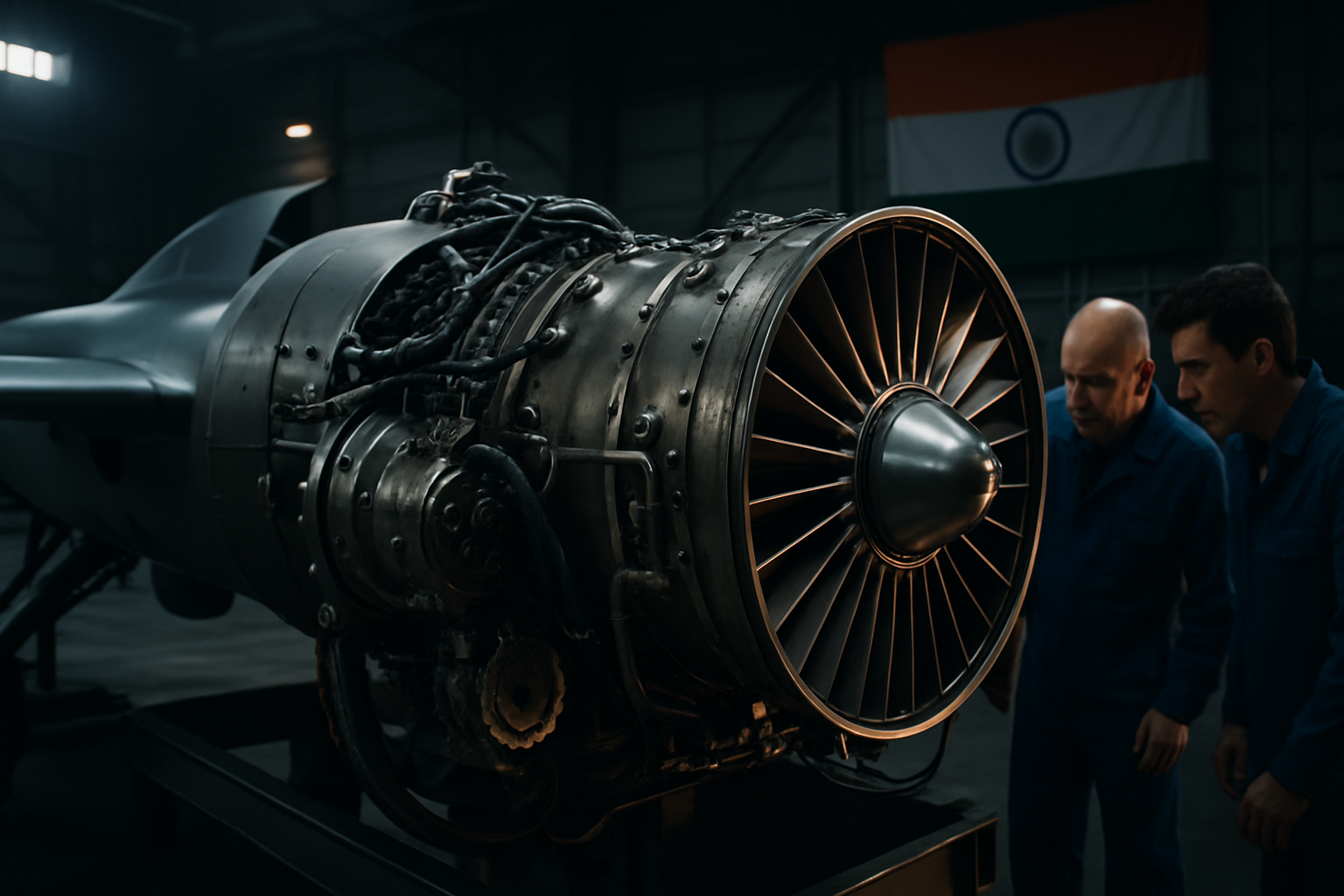
- India develops first indigenous turbojet engine designed specifically for combat drones and advanced missile systems
- Engine package architecture enables enhanced thrust, endurance, and operational range for unmanned aerial vehicles
- Domestic propulsion technology reduces import dependency and marks strategic milestone in India’s defense manufacturing sector
India has achieved a significant technological milestone in military aviation with the successful development of its first indigenous turbojet engine specifically engineered for combat drones and advanced missile systems. This breakthrough represents a major shift toward self-reliance in defense propulsion technology and establishes India as a capable player in the global unmanned aerial vehicle market. The new engine promises to revolutionize the operational capabilities of India’s combat drone fleet while strengthening the country’s defense infrastructure through domestic innovation.
India’s Push for Indigenous Defense Technology
For decades, India has relied on imported engine technology for its military aircraft and drone systems, creating supply chain vulnerabilities and increasing operational costs. The development of an indigenous turbojet engine represents a strategic move to reduce this dependency and establish complete technological sovereignty in the defense sector. This initiative aligns with India’s broader “Make in India” campaign, which aims to strengthen domestic manufacturing capabilities across critical industries.
The indigenous turbojet engine development has been a collaborative effort involving multiple defense research and development institutions, private sector partners, and aerospace engineers. This multi-stakeholder approach has accelerated the innovation timeline while leveraging India’s growing technical expertise in aviation and propulsion systems. The successful completion of this project demonstrates the capability of India’s defense establishment to design and manufacture cutting-edge propulsion technology at scale.
By developing domestic engine technology, India eliminates the need for expensive international procurement processes and avoids potential delays caused by export restrictions or geopolitical tensions. This self-sufficiency strengthens India’s strategic autonomy and enables faster deployment of advanced unmanned systems to meet evolving national security requirements. The cost savings from domestic production also allow for increased investment in additional defense projects and technological upgrades.
Engine Architecture and Technical Specifications
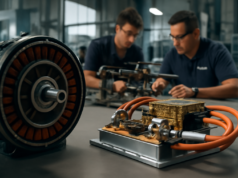
The newly developed turbojet engine has been engineered as a complete “package” solution, incorporating advanced components optimized for combat drone applications. This integrated approach ensures seamless compatibility between the engine and various drone platforms, reducing integration time and technical complications during deployment. The engine architecture reflects years of research into optimal power-to-weight ratios, thermal efficiency, and operational reliability for unmanned systems.
The turbojet design incorporates modern materials and manufacturing techniques that enhance durability while minimizing weight—critical factors for drone performance. Advanced cooling systems and precision engineering enable sustained high-performance operation across diverse environmental conditions, from high-altitude missions to extreme temperature scenarios. The engine’s modular configuration allows for future upgrades and adaptations to different drone platforms without requiring complete redesigns.
Performance specifications of the indigenous engine rival comparable international systems, delivering impressive thrust output while maintaining exceptional fuel efficiency. The engine operates across a wide range of flight profiles, supporting cruise flight, rapid acceleration, and sustained high-altitude operations required for modern combat missions. These technical achievements position India’s engine among the most capable turbojet solutions available for unmanned aerial platforms in its class.
Impact on Combat Drone Capabilities
The integration of India’s indigenous turbojet engine into combat drones enables significant enhancements to operational range and endurance. Drones equipped with this engine can extend their mission duration substantially, allowing extended reconnaissance, surveillance, and strike operations across greater distances. This expanded capability dramatically increases the tactical and strategic value of India’s unmanned aerial fleet for national defense purposes.
Enhanced thrust from the new engine translates to improved payload capacity, enabling combat drones to carry additional weapons systems, advanced sensors, and mission-critical equipment. This increased versatility allows a single drone platform to perform multiple mission types, improving operational efficiency and reducing the overall number of systems required for comprehensive aerial coverage. The flexibility offered by higher payload capacity also supports rapid adaptation to emerging threats and evolving operational requirements.
Acceleration and climb rate improvements enable faster response times during critical military operations, providing commanders with greater tactical options during dynamic combat scenarios. The engine’s reliability and performance consistency under stress conditions ensure predictable drone behavior even during complex missions involving rapid maneuvers or evasive actions. These enhancements collectively position India’s combat drones as formidable systems capable of meeting modern battlefield demands.
Strategic Implications for India’s Defense Sector
The successful development of an indigenous turbojet engine strengthens India’s position in the global defense technology market and demonstrates growing capability in aerospace propulsion systems. This achievement opens opportunities for technology exports to allied nations seeking indigenous propulsion solutions for their unmanned systems. India can now offer complete domestic drone packages with integrated power plants, creating a competitive advantage in international defense contracts.
From a security perspective, domestic engine production eliminates vulnerabilities created by external dependencies on foreign suppliers. India can now maintain strategic control over its unmanned fleet without concerns about supply interruptions, licensing restrictions, or technology access limitations imposed by international suppliers. This independence strengthens India’s ability to rapidly scale drone production during emergency situations or national security crises.
The engine development project has catalyzed growth in India’s aerospace and propulsion engineering ecosystem, creating skilled jobs and attracting talent to the defense technology sector. Universities, research institutions, and private companies have collaborated on this initiative, building networks and expertise that will fuel future innovations. This ecosystem development positions India for sustained competitiveness in next-generation aviation technologies including advanced combat systems and next-generation unmanned platforms.
Future Roadmap and Advanced Applications
With the foundation established through this first-generation indigenous turbojet engine, India’s defense research community is positioned to develop advanced variants optimized for specific mission profiles. Future iterations may include enhanced fuel efficiency for longer-range operations, improved thrust vectoring for enhanced maneuverability, or specialized versions for high-altitude operations. The modular engine package design supports these evolutionary improvements without requiring complete architectural redesigns.
Beyond combat drones, the indigenous turbojet technology has potential applications in next-generation fighter aircraft, hypersonic systems, and advanced cruise missile platforms. The engine’s proven reliability and performance characteristics provide a solid foundation for scaling up to larger platforms requiring more powerful propulsion. Defense planners are already evaluating potential integration points with India’s broader fighter aircraft modernization initiatives.
International partnerships may also leverage India’s turbojet expertise, with allied nations potentially adopting the technology for their own unmanned systems. Technology-sharing agreements could generate additional revenue streams while strengthening defense relationships with strategic partners. These opportunities demonstrate how India’s investment in indigenous technology development can create diplomatic and economic benefits beyond immediate military applications.
Key Takeaways for India’s Defense Future
- Indigenous turbojet engine eliminates foreign dependency while enabling rapid scaling of combat drone production
- Engine package architecture delivers superior performance metrics matching or exceeding comparable international systems
- Technology creates foundation for next-generation unmanned platforms and advanced defense applications
India’s development of an indigenous turbojet engine represents a watershed moment in the nation’s defense technology journey. By successfully designing and manufacturing cutting-edge propulsion systems domestically, India has demonstrated the technical capability and institutional strength to compete in advanced aerospace engineering. The strategic implications extend far beyond combat drones, signaling India’s commitment to technological sovereignty and its growing confidence in developing world-class military systems through domestic innovation and research. As India continues investing in defense technology development, this turbojet engine achievement will serve as a foundation for increasingly ambitious projects that strengthen national security and position India as a technology leader in the global defense marketplace.