HIGHLIGHTS
- Vertical Aerospace (NYSE:EVTL) maintains strong investor focus as the company advances toward Type Certification and commercial operations of its VX4 aircraft.
- Market watchers closely monitor the company’s progress on regulatory milestones, which are critical for the broader eVTOL industry timeline.
- The stock’s market tracking reflects growing investor confidence in the commercialization potential of British-designed electric air vehicles.
Vertical Aerospace, trading on the New York Stock Exchange under the ticker symbol EVTL, has emerged as one of the most closely watched companies in the electric vertical takeoff and landing (eVTOL) market. As the personal air mobility sector matures and moves toward commercial operations, investors and industry analysts continue to track the Bristol-based company’s progress with considerable interest. The attention reflects not only Vertical Aerospace’s own achievements but also the broader market dynamics shaping the future of urban air mobility.
The Rise of Vertical Aerospace in the eVTOL Market
Vertical Aerospace has positioned itself as one of the leading developers of electric vertical takeoff and landing aircraft since its founding. The company’s commitment to advancing sustainable aviation technology has captured the attention of major investors, partners, and regulators worldwide. By listing on the NYSE, Vertical Aerospace has demonstrated its confidence in the commercial viability of its technology and business model, while simultaneously increasing its visibility to the global investment community.
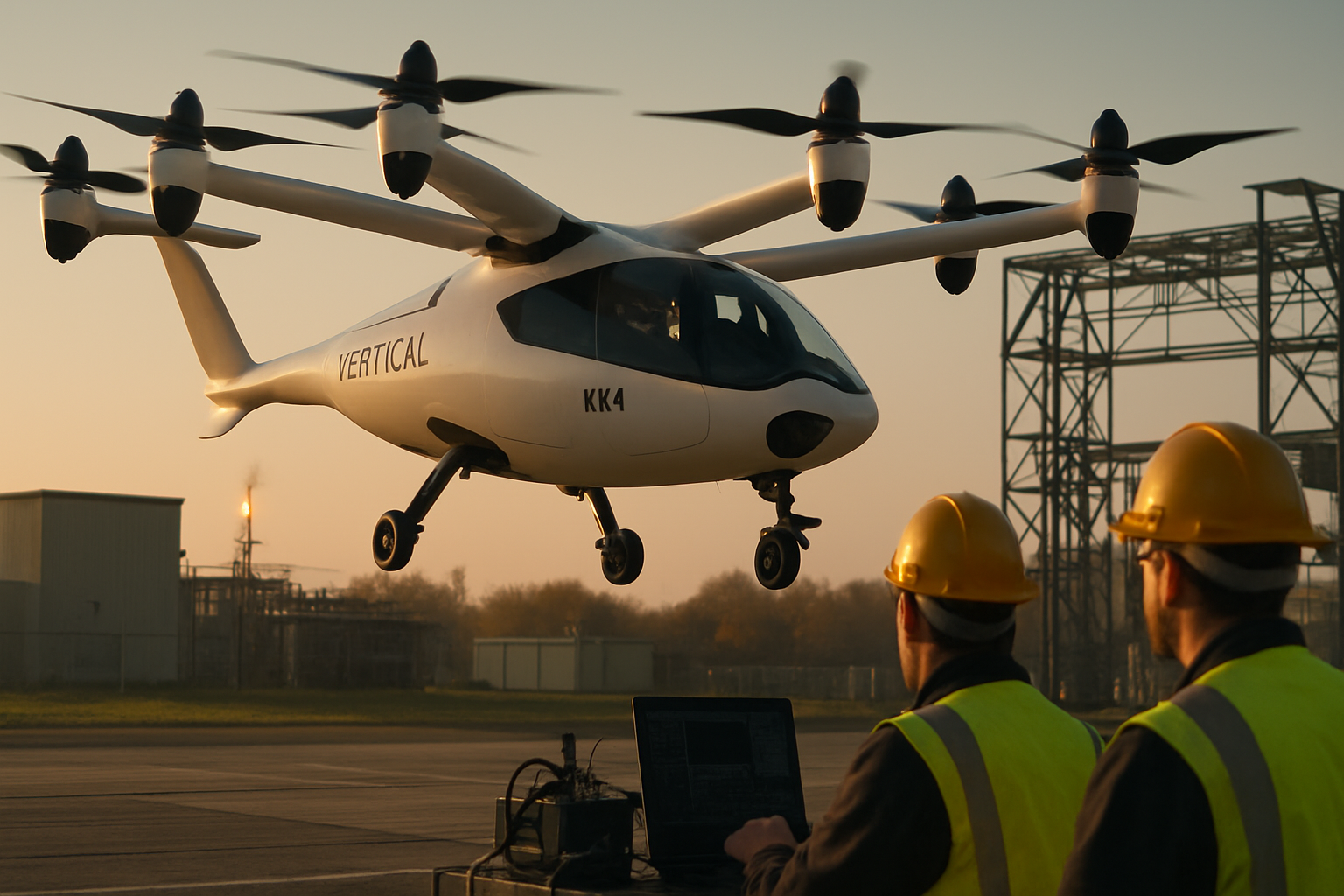
The company’s primary focus centers on the development of the VX4, a four-passenger electric aircraft designed for urban and regional air mobility operations. This aircraft represents a significant step forward in demonstrating that electric propulsion can deliver practical, safe, and efficient point-to-point transportation. The VX4’s design incorporates lessons learned from years of research, development, and testing, positioning it as a credible contender in the competitive eVTOL marketplace.
Market observers recognize that Vertical Aerospace’s progress directly influences investor sentiment across the entire personal air mobility sector. As one of the first companies to achieve public market listing in this emerging industry, the company bears particular responsibility for demonstrating that eVTOL businesses can achieve the regulatory, operational, and financial milestones necessary for sustainable growth. This position naturally makes Vertical Aerospace a barometer for sector health and investor confidence.
Regulatory Milestones and Certification Progress
One of the primary reasons investors maintain such close attention on Vertical Aerospace is the company’s progress toward obtaining Type Certification from aviation authorities. In Europe, the European Union Aviation Safety Agency (EASA) has established clear certification pathways for eVTOL aircraft, and Vertical Aerospace is actively pursuing these regulatory approvals. Type Certification represents a critical gate through which any aircraft must pass before commencing commercial operations, making each step in this process newsworthy for stakeholders.
The company has engaged extensively with EASA and other regulatory bodies to ensure its VX4 design meets all safety, performance, and environmental standards. These interactions involve detailed technical submissions, comprehensive testing documentation, and ongoing dialogue with certification authorities. The progress and timing of these discussions significantly impact market expectations for when the VX4 might achieve certification and begin commercial service.
Regulatory success by Vertical Aerospace creates positive spillover effects for the broader industry. Successful Type Certification validates the regulatory frameworks being developed for eVTOL aircraft and demonstrates to other manufacturers that the certification pathway is achievable. Conversely, any delays or challenges in the certification process could raise concerns about industry-wide timelines and the viability of commercialization within previously announced schedules.
Commercial Operations and Market Entry Strategy
Vertical Aerospace’s commercial plans include partnerships with air taxi operators, airlines, and regional mobility service providers. The company has announced agreements with several major partners interested in operating the VX4 once certification is achieved. These partnerships provide revenue certainty and demonstrate market demand for the aircraft, factors that directly influence investor confidence in the company’s financial trajectory.
The company’s strategy reflects a pragmatic approach to market entry. Rather than attempting to establish its own operating network immediately, Vertical Aerospace is leveraging partnerships with established transportation and aviation companies. This approach reduces the capital requirements for market entry while allowing the company to focus on aircraft development, certification, and manufacturing. For investors, such partnerships represent de-risking opportunities that increase the likelihood of successful commercialization.
Market analysts also track Vertical Aerospace’s production readiness, manufacturing capacity plans, and supply chain development. The transition from prototype and test aircraft to production-ready manufacturing represents a substantial undertaking, and the company’s progress in establishing production facilities, securing component suppliers, and training manufacturing personnel are all closely monitored indicators of operational maturity.
Financial Performance and Capital Requirements
As a pre-revenue company operating in a capital-intensive industry, Vertical Aerospace’s financial position remains a key concern for investors. The company has successfully raised substantial capital through its public listing and earlier funding rounds, providing runway for continued development and certification activities. However, the path to profitability in the eVTOL industry remains uncertain, and investors scrutinize the company’s burn rate, cash management, and capital efficiency.
Vertical Aerospace must balance several competing financial pressures: maintaining adequate cash reserves for development and certification, investing in manufacturing infrastructure and tooling, managing operational overhead, and preserving shareholder value. The company’s management team and board face ongoing challenges in optimizing these trade-offs while maintaining investor confidence during the critical pre-commercialization period.
The company’s stock performance reflects market sentiment regarding its financial health and commercial prospects. Price movements, trading volume, and analyst ratings all provide windows into how the investment community perceives Vertical Aerospace’s likelihood of success. Significant developments such as funding announcements, partnership agreements, or regulatory progress typically trigger notable market reactions that underscore the importance investors place on these milestones.
Industry-Wide Implications and Competitive Dynamics
Vertical Aerospace does not operate in isolation within the eVTOL market. The company faces competition from numerous other eVTOL developers, including companies such as Joby Aviation, Lilium, Archer Aviation, and various international manufacturers. Market watchers track Vertical Aerospace’s performance relative to competitors to assess the company’s technological competitiveness, execution capability, and market positioning. The outcomes of these competitive dynamics will likely shape the future structure of the personal air mobility industry.
Competition extends beyond aircraft development to include regulatory approval timelines, partnership announcements, and technological innovations. A manufacturer that achieves Type Certification first gains significant first-mover advantages, including regulatory validation and the ability to establish market relationships before competitors achieve similar approvals. This reality makes each company’s certification progress a matter of industry-wide significance, not merely company-specific interest.
The successful commercialization of Vertical Aerospace’s VX4 would validate the broader eVTOL concept and demonstrate to potential users, operators, and regulators that electric vertical takeoff aircraft can meet real transportation needs safely and economically. Conversely, significant setbacks at Vertical Aerospace could raise questions about the viability of the entire sector’s near-term commercialization timeline, affecting investor sentiment across the entire personal air mobility industry.
Key Reasons Investors Watch Vertical Aerospace Closely
- Type Certification progress represents the most critical near-term milestone, determining when the company can begin commercial operations and generate revenue from aircraft sales and operations.
- Partnership announcements with airlines, air taxi operators, and regional mobility providers signal market demand and provide revenue visibility for a currently pre-revenue company.
- Manufacturing readiness and production scaling capability will determine whether Vertical Aerospace can meet demand if and when commercial operations commence at scale.
- Capital management and financial runway remain crucial as the company navigates the expensive final phases of certification and initial production without significant revenue generation.
- Competitive positioning relative to other eVTOL manufacturers shapes the company’s potential market share and long-term profitability in the emerging personal air mobility sector.
Vertical Aerospace’s continued presence in the market consciousness reflects the significant potential of electric vertical takeoff and landing aircraft to transform urban and regional transportation. As the company advances through development, certification, and toward eventual commercialization, investors, analysts, and industry observers will continue to monitor its progress closely. Each milestone achieved or delayed carries implications not only for Vertical Aerospace shareholders but for the entire personal air mobility ecosystem and the timeline for widespread adoption of these transformative aircraft technologies.